
Agree the test plan and acceptance criteria before we build.
Before we build, we agree a written test plan and acceptance criteria with you; then we test the prototype, fix what would break in production, and hand you the records and files a batch is built from.
Can we see the device working on video before it ships?
Yes. Before a prototype or a batch ships, we can show the device running on video, going through the checks on your acceptance checklist. Every unit is tested before it is packed, and open items stay in the issue log until they are closed.
Who this is for
A working prototype that has to be proven before a batch, whether we built it with you or you built it yourself.
Typical starting points
- A working prototype
- Design files for a prototype you built
- Pilot units that need checking before a larger run
What Anvol does
- Power-on, function and communication tests
- Structural checks
- First-article inspection
- Design-for-manufacturing fixes
- Quality records and test videos
- An issue log, kept open until every item is closed
- Production files
Deliverables
- Test checklist
- Test report
- Test videos
- Production files
- Closed issue log
Guide: testing a prototype and a pilot batch
What to agree before the build, and how a prototype and its first batch are tested: bring-up, the functional test and the jig that runs it, burn-in when it is needed, and the first article. Every step ends in a record you keep.
- Agree before the build
- A written test plan with acceptance criteria: each function, how it is measured, and the number that counts as a pass (a range, a time, a distance, a current). The plan names the quantity tested, who runs it, and what video you see before the units ship.
- Bring-up
- The first boards are powered from a current-limited supply. Rails are measured before the processor boots, then the clock and boot, the programming port, and each peripheral in turn. Every board fault found here is logged and fixed in the next revision.
- Functional test
- The acceptance checklist run on the finished unit, enclosure closed: inputs, outputs, radio, battery and charging, the app. Pass or fail per line, recorded per unit, and filmed for you when the plan says so.
- Test jig or fixture
- For tens of units, a bench jig and a test program a second person can run. For larger batches, a fixture with spring pins and an automatic pass/fail program, quoted after a review when the quantity justifies it.
- Burn-in
- Units powered at load for a set time to catch early failures. It is added when the product's risk calls for it, with its duration and pass criteria written into the test plan.
- First article
- The first unit from a new line, checked against the drawings, the BOM, the firmware version and the functional test before any batch starts.
- Pilot batch
- Every unit runs the functional test before it is packed. Failures go into the issue log, which stays open until each item is closed, and the batch record lists the results.
- What you receive
- The test plan, the test report, per-unit results, the test videos and the closed issue log.
- What to prepare
- The prototype or its files, how the product is used, and the targets it must meet if you have them. Contact us to discuss scope, pricing and lead time.
Typical inputs
- The prototype or its files
- How you expect it to be used
- The targets it has to meet, if you have them
Timeline and cost drivers
- Timeline
- Set in the written scope. Open issues are fixed and retested before a batch starts.
- Cost depends on
- How many functions need testing, test time, and whether a test fixture is needed.
What is excluded
- Certification testing (FCC/CE). It is done by a test lab and quoted separately when a product needs it.
- Anything outside the written scope. Major scope changes are re-quoted, with a new timeline, before work continues.
Related cases
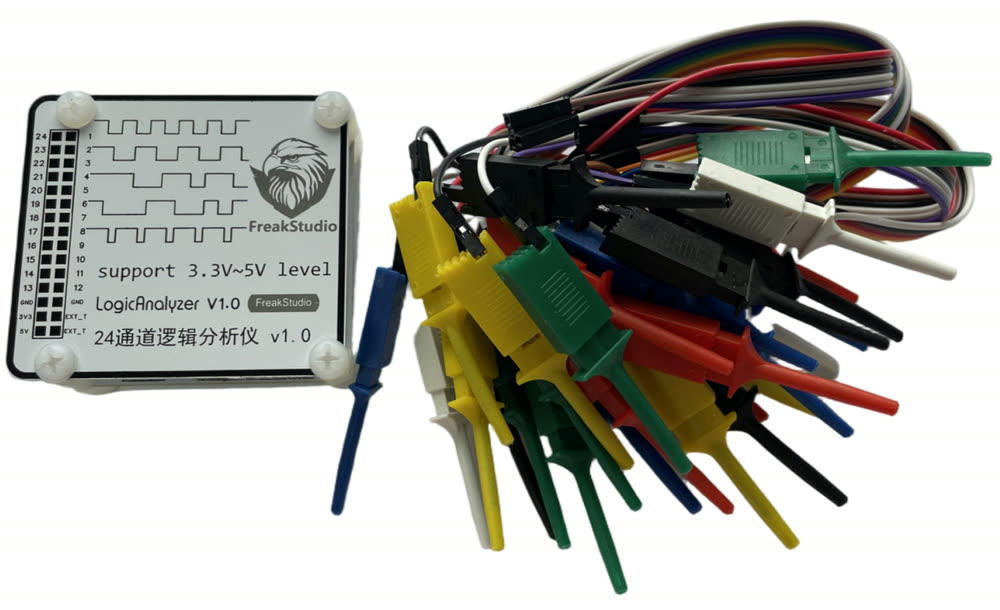
24-channel logic analyzer
Reference figures: about 50 units at a ~$15 parts cost each, plus $500 development.
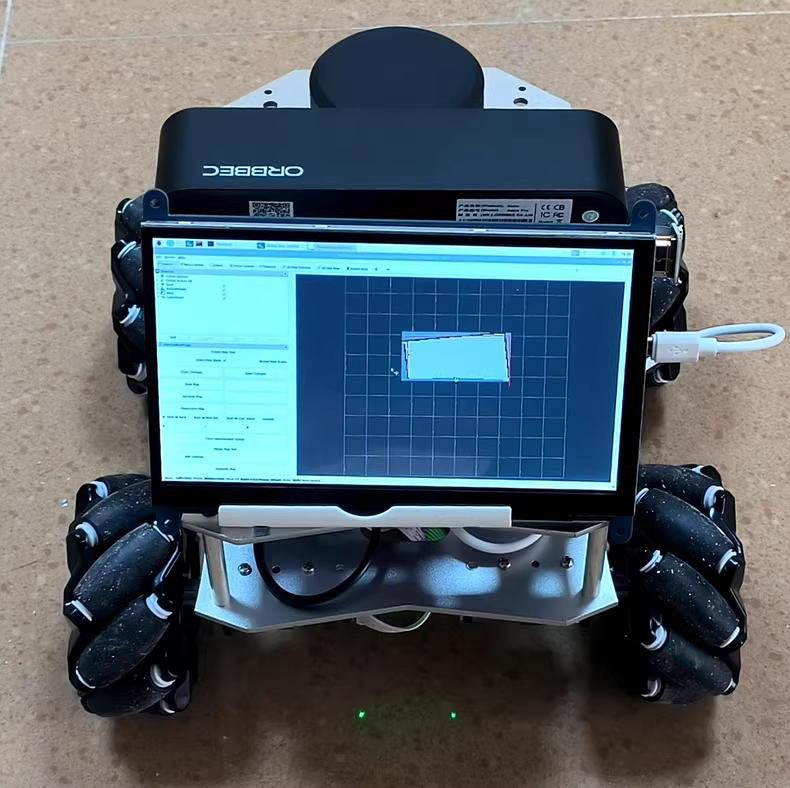
ROS2 omnidirectional robot
A mecanum-wheel robot that maps rooms and navigates them on its own with ROS2.
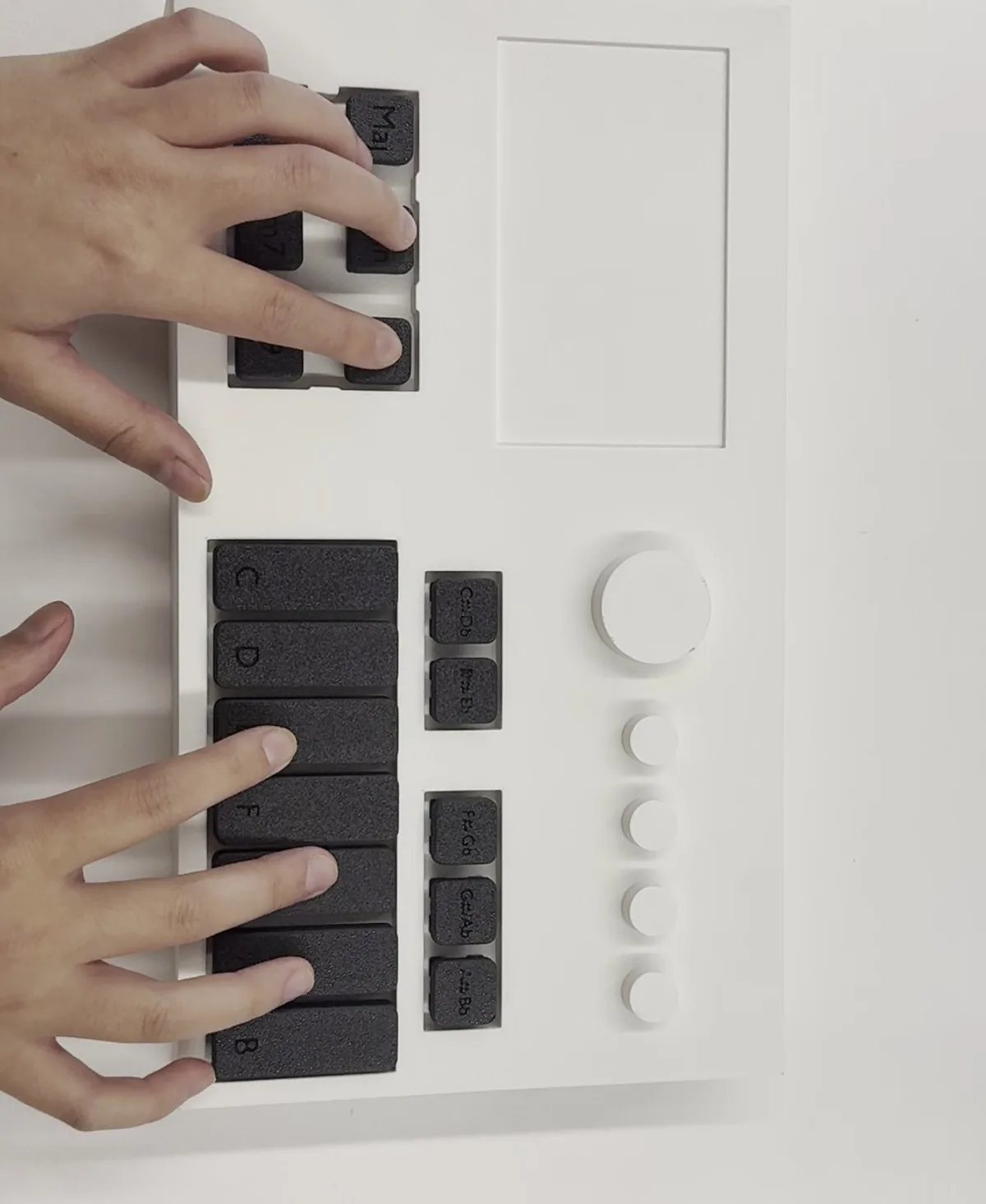
Project Play
A compact music workstation with keys, sliders and a speaker, in engineering.
- Industries
- Industrial Electronics & Test Equipment · All industries
- More builds
- Wearable motion tracking with ECG and EMG · Micro pump driver board and door-lock motor · Lidar line-following car · Stepper Motor Driver Board · Multi-Channel DC Motor Driver and FOC Control Board · Servo Motor Driver and Bus Servo Driver · Dual-cable dimensional measurement device · Power supply PCB design · Wheel-legged self-balancing robot · F450 quadcopter platform
- Engineering notes
- Your prototype works on your desk. Why can't the app find it at the site? · The serial test passed. Can your prototype talk to the real device? · Before you lock the firmware, decide how the prototype will be repaired
Questions
No. Certification testing is done by a test lab, outside our standard scope, and quoted separately when a product needs it. None of our three priced builds went through FCC or CE.
Yes. Before a run we agree with you how each unit is tested and recorded; every unit is tested before it is packed, against the targets from the sample rounds.
They go in the issue log, and the log stays open until every item is closed. Testing →