
Prototype development from your idea, with no CAD or engineering team.
Anvol, Inc. offers prototype development services from an idea, no CAD or engineering background needed: a basic functional prototype runs about $1,500 to $3,000 to develop (our reference range), with no minimum order. Send an idea, a sketch or photos of products you like; you do not need a full specification. Our engineers check feasibility, design the board, firmware and enclosure, and build the first working unit. You get a written scope with price and date before any work starts, and you pay in USD to our US entity.
By Zisheng Li, engineering lead, and Chris Wu, founder · Updated
Where you are
The idea is clear enough to describe, and maybe part of it runs on a development board. Open questions remain about architecture, parts, fit and how it will be tested. If your company has no hardware team, see who builds a first connected product, what it costs and how long. Already have a prototype that works? How Anvol takes a working prototype to a first production batch → Common questions on the way from idea to a product you can sell: hardware idea to product FAQ.
What you have
- An idea or sketch
- A development-board or breadboard prototype
- Partial files: a schematic, some code, a 3D-printed body
- A rough quantity and date
How we build it when you have no CAD or engineering background
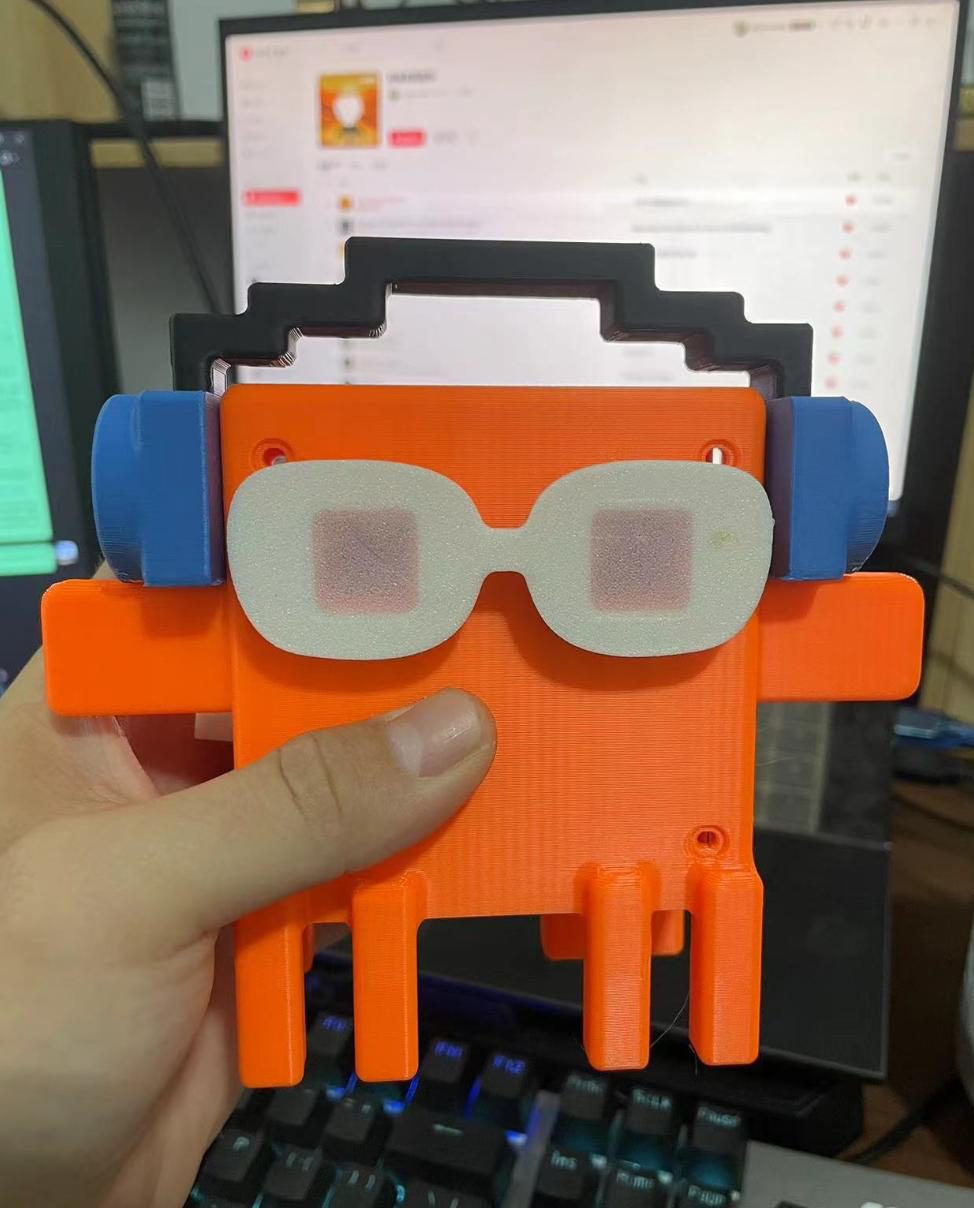
You do not need to be technical. We design, build and program the device and deliver it fully assembled and tested: the board, firmware and enclosure are ours to engineer, and you confirm the working unit. The desk AI companion took about 15 days and about $2,000 of development; the AI pet mini arcade went from prototypes to a small batch in 6 weeks. You receive a working device, not only drawings: turnkey device development, designed, built, programmed and tested.
- Check feasibility, architecture, part availability, mechanical fit and test approach
- Write the scope: deliverables, acceptance criteria and price
- Design the board, firmware and enclosure, with parts sourced by us
- Build the first units and run power-on, function and communication tests
- Revise with you until you confirm the prototype
Which prototype development company can build my idea and then manufacture it?
Anvol builds the first working unit and can then manufacture it: prototypes and small batches are built by our team in Beijing and Hangzhou, China, and larger runs with partner factories in Shenzhen and Suzhou. There is no minimum order: one prototype first, then 10 to 100 units after you approve it. You sign one contract with Anvol, Inc., a Delaware company, and pay in USD. Only need parts printed from your own CAD? Instant 3D printing quote from a STEP file.
A client who came with an idea and an early prototype
Anvol worked as a USC student team's outside engineering team: from their early prototype and requirements document to a tested chord instrument in 6 weeks, for a $24,200 project fee. The Project Play case →
What you get
- Project summary, risk list and prototype plan, with a rough cost range
- Schematic, PCB files, Gerbers and BOM with sources
- Firmware source and enclosure CAD
- Working prototypes
Services that apply
- Project evaluation: risks, missing information and the next step
- Hardware engineering & prototype: the whole device, built into first units
- PCB / PCBA & component sourcing: boards, BOM, parts and approved alternatives
- Firmware & embedded systems: device code and the factory test program
- Enclosure & product integration: a product body that can be built and serviced
Small devices we built, with time and cost
| Build | What it does | Development (reference) |
|---|---|---|
| AI voice companion | Battery voice device with a screen, using an existing cloud speech service | $1,200, about 10 days |
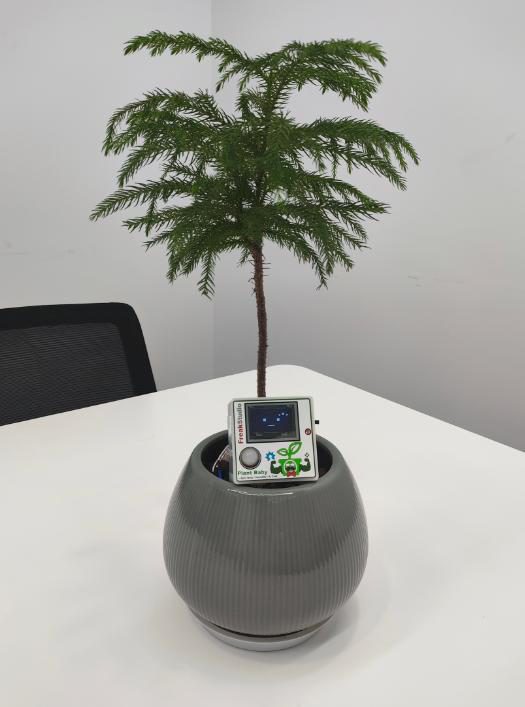
| AI smart planter | Soil sensor add-on with a screen and voice | About $1,500, about 15 days |
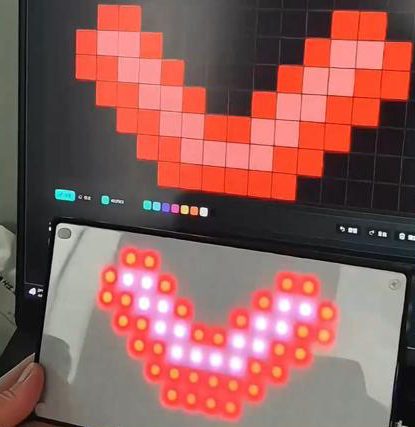
| LED pixel board | ESP32 board with a browser editor, 10 prototype sets included | About $1,700, about 10 days |
| Desk AI companion | Bluetooth desk character with a screen | About $2,000, about 15 days |
Reference figures are our engineers' numbers for a similar build, not invoices or quotes. Parts are priced per unit on top.
What to send for a real quote, and what happens next
- 1. Send the idea
- What it should do, who uses it, photos of products like it, how many and by when. We sign an NDA before opening any file.
- 2. Free feasibility check
- We reply within 12 hours; the check lists the risks and what is missing.
- 3. Written scope
- Deliverables, acceptance criteria, price and date. A deposit starts the work.
- 4. Design and build
- Board, firmware and enclosure, parts bought by us, first unit tested: 3 to 15 days of development on the builds above.
- 5. Confirm or revise
- You try the unit and confirm it, or ask for changes before anything larger.
Related cases
Questions
On our small-device builds, 3 to 15 days of development once the written scope is signed; small robots took 10 to 30 days. Shipping is on top. All 18 builds by development time →
No. A sketch, a development-board prototype, partial files or a physical sample is a normal starting point. We list what is missing and propose the next practical build step.
What it should do and who will use it, photos or videos of products like it, how many units you need, your budget and when you need them. No CAD or specification is needed; our engineers list what is missing before they price it.
Yes. There is no minimum order. We can start with a single prototype, revise it with you, and continue into small-batch production after approval.
Reference range for development: about $1,500 to $3,000 for a basic functional prototype, $3,000 to $10,000 for an integrated small-device prototype, $10,000 to $50,000+ for a complex prototype. You get a written scope with price and date before any work starts. Certification (FCC/CE) and shipping are quoted separately.
Not from the small-batch prices on this site. None of our priced builds were made at that volume. A larger run is quoted for its own quantity.
You do. We sign an NDA before we open any file. The project-specific design files, drawings and tooling belong to you; our general tools and libraries stay ours.
Yes, a companion app that controls the device, including publishing it on the App Store and Google Play. Our hexapod robot ships with a Bluetooth Android app for remote control, mode switching and tuning, a ROS 2 robot has a Wi-Fi mobile app, and an LED board has a web editor. If you already have an app, we build the device to talk to it over Bluetooth or Wi-Fi. What we have built →