
Original link
Due to the formatting limits of the WeChat official account, for a better reading experience, please see the cloud document link below:
https://f1829ryac0m.feishu.cn/docx/IOaEdViIkoEyjfxQo8mcqG5LnDd?from=from_copylink
Project link
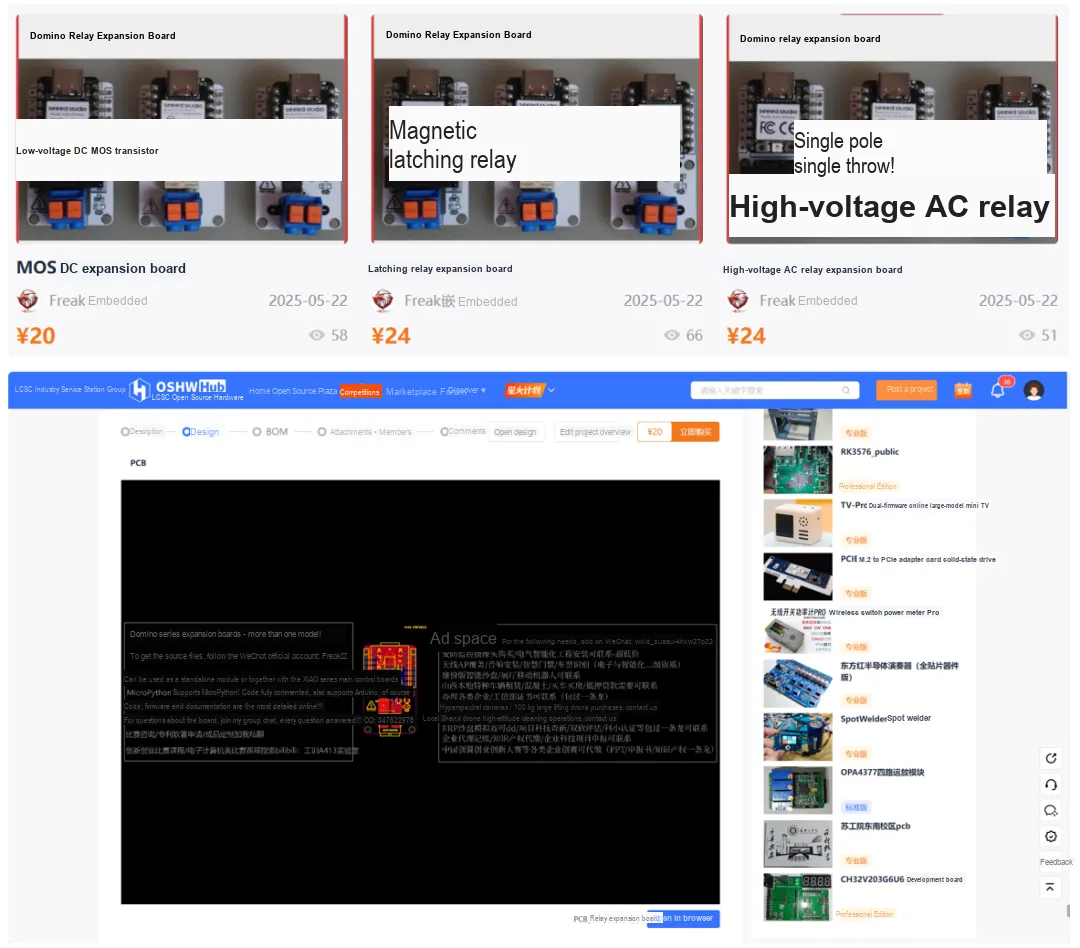
The related hardware project has been open-sourced on the LCSC Open Source Hub:
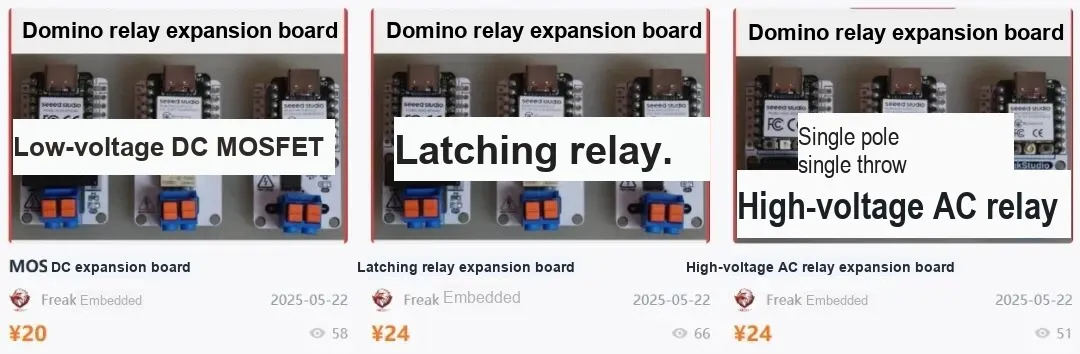
https://oshwhub.com/freakstudio/gao-ya-jiao-liu-ji-dian-qi-tuo-zhan-ban
https://oshwhub.com/freakstudio/ci-bao-chi-ji-dian-qi-tuo-zhan-ban
https://oshwhub.com/freakstudio/mos-zhi-liu-tuo-zhan-ban
Introduction
In intelligent control systems, we often run into this problem: how can a weak control signal drive a high-power device?
For example, a microcontroller output pin usually has a drive capability of only 3.3V and 20 mA, but the loads we want to control, such as motors, heaters, and even solenoid valves, often need several amps or even tens of amps. Connecting them directly will not work, and it will overload or even damage the microcontroller.
Therefore, a "power switching device" must be used as an intermediate bridge: the microcontroller outputs the control logic, and the power device carries the heavy current, achieving safe control in which a small signal drives a large load.
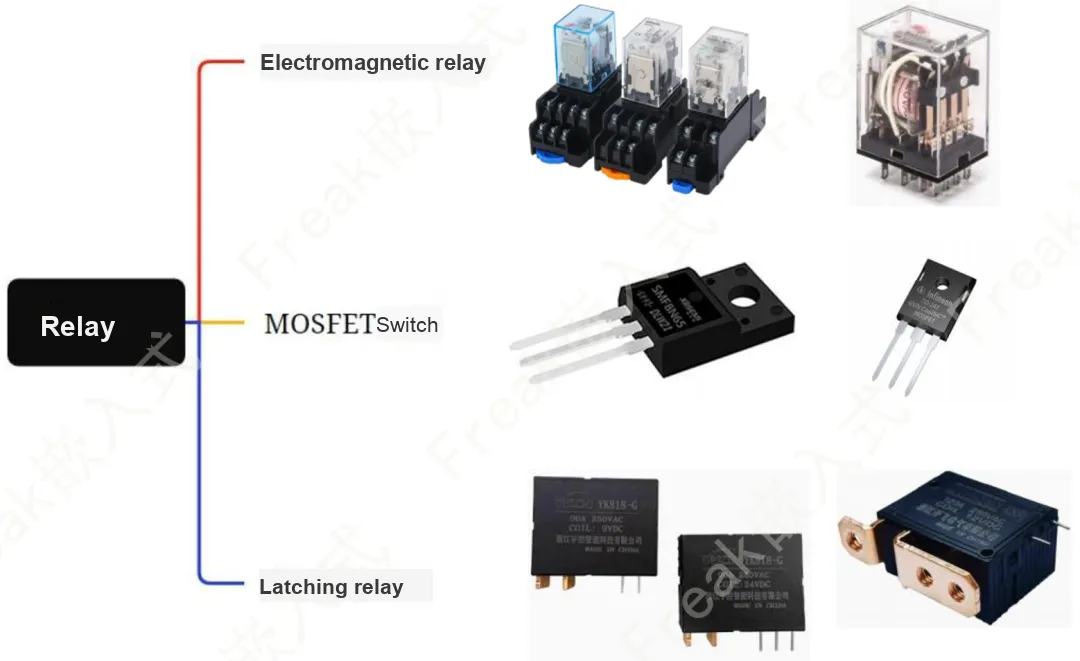
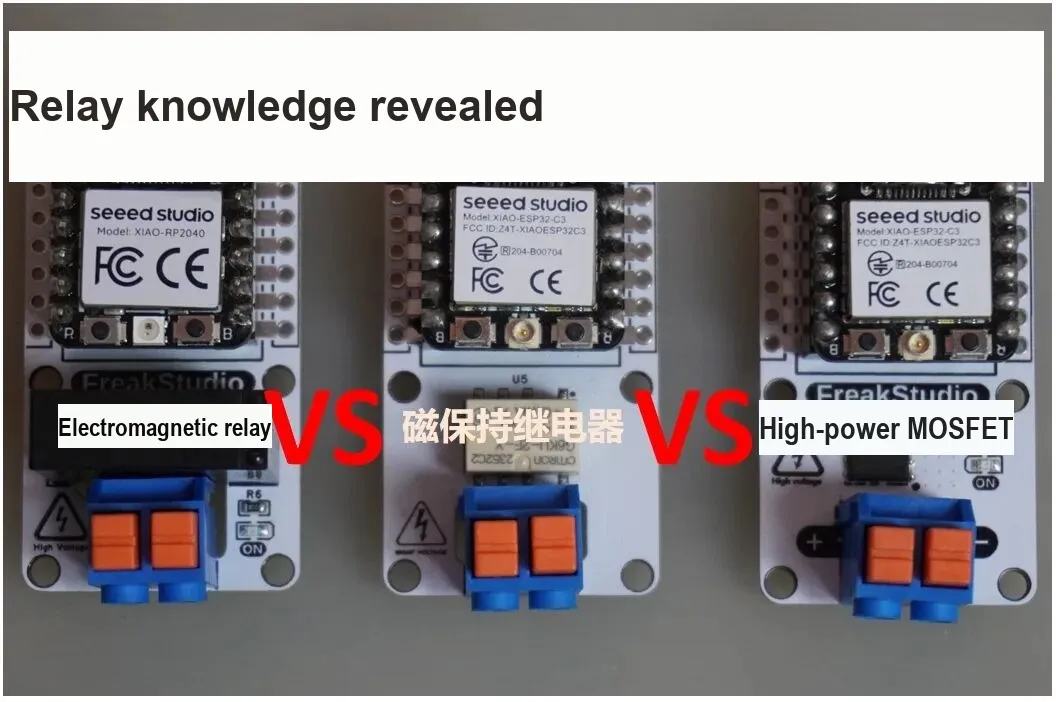
There are three most common solutions: high-power MOSFETs, electromagnetic relays, and latching (magnetic-holding) relays.
So what exactly are the differences between these three solutions? Which applications is each suited for? Are there any pitfalls to watch out for? Let's analyze them in detail together.
Main Text
Freak Embedded
Get the link
The related project files have been uploaded to the LCSC Open Source Hub:
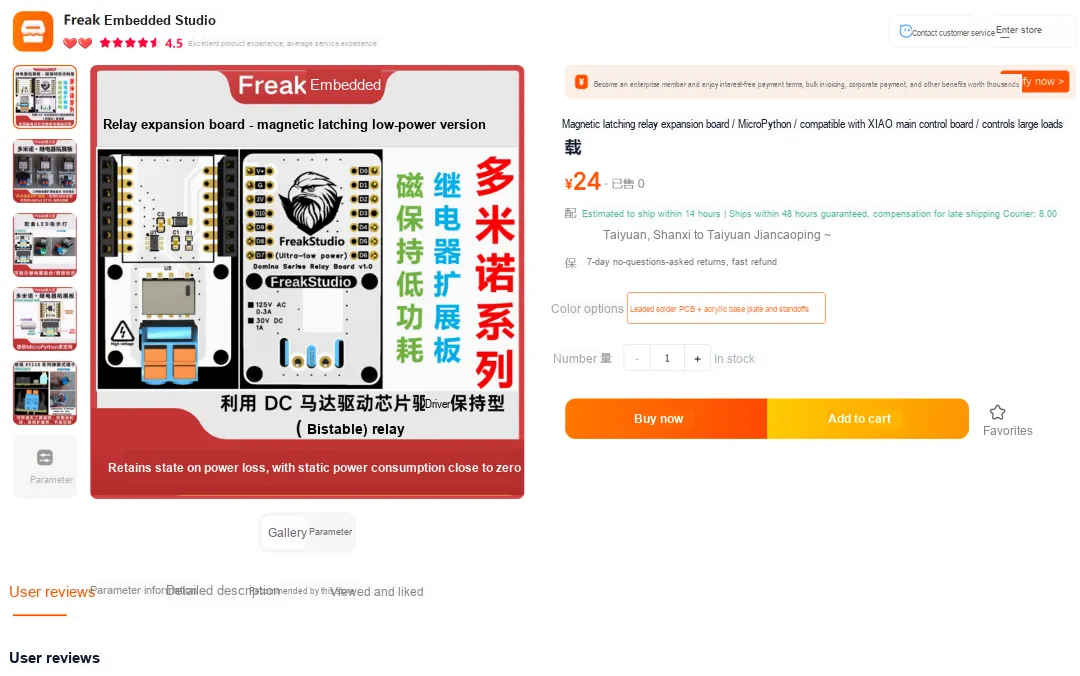
If you would rather buy the finished board, search Taobao for 【Freak嵌入式工作室】 (Freak Embedded Studio):
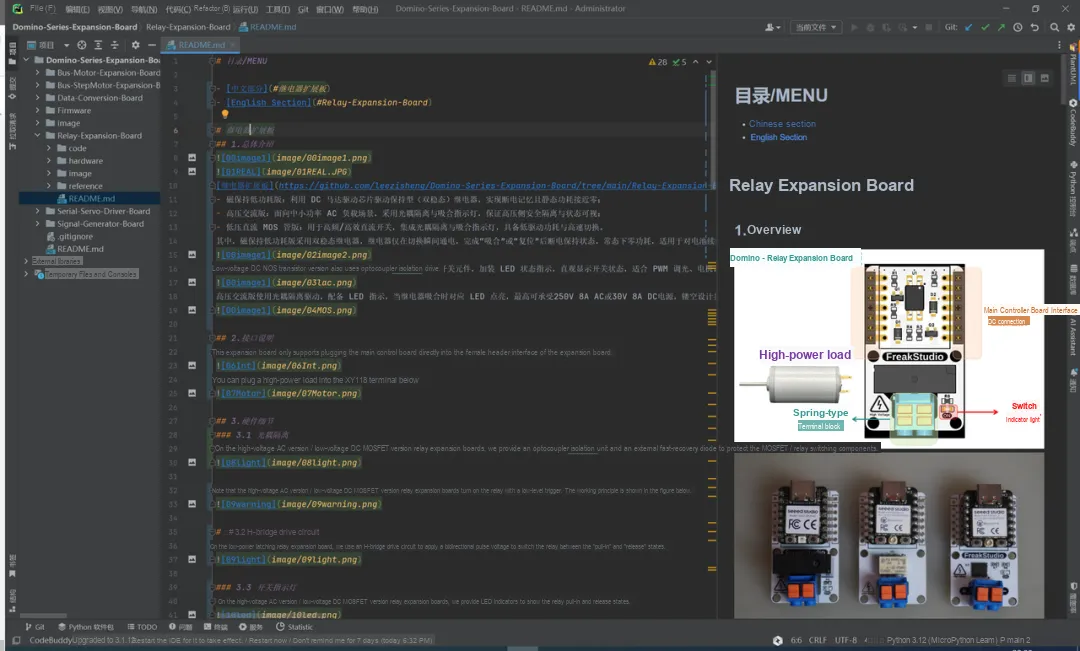
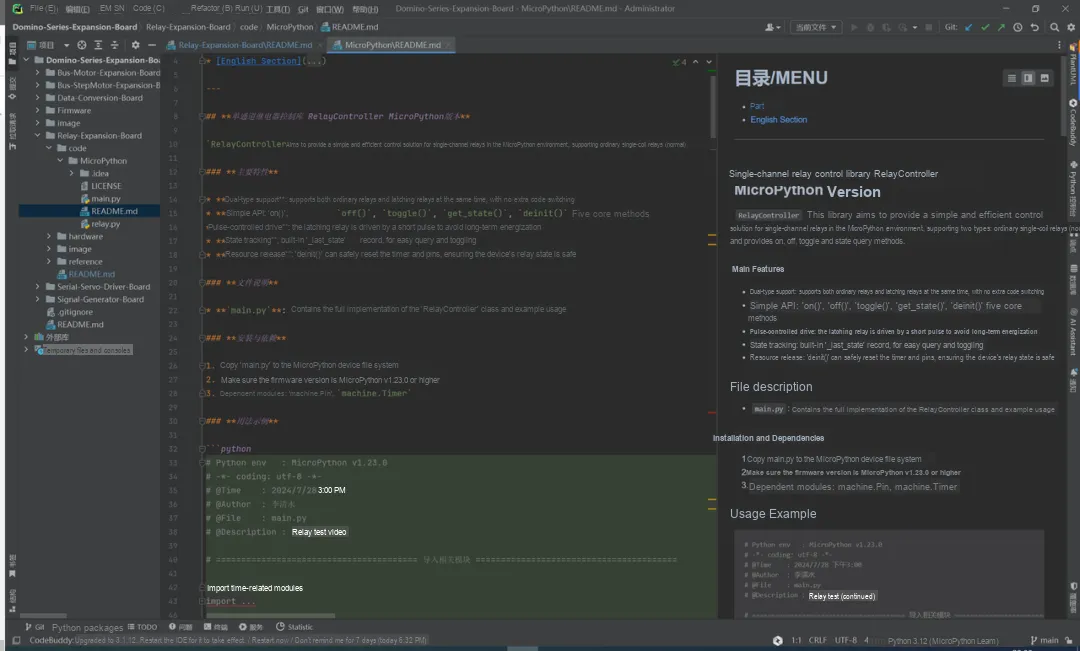
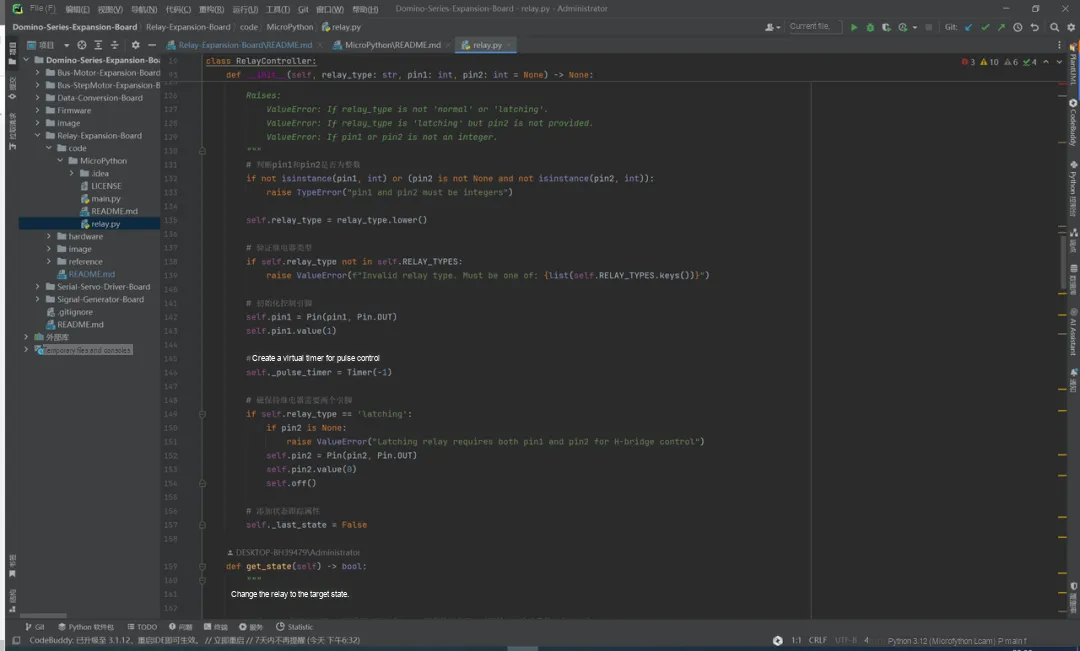
We provide the related driver programs and detailed usage documentation:
Reference links
-https://www.youtube.com/watch?v=n594CkrP6xE
-https://www.youtube.com/watch?v=popvta97-tw
-https://www.youtube.com/watch?v=epEGN-7GsPs
-https://www.youtube.com/watch?v=IGuCv-m0e-I
-https://www.youtube.com/watch?-v=3AVHqV_xASQ&list=PLWv9VM947MKiPVBef5qMVW60hU1iHletX&index=5
-https://www.youtube.com/watch?v=h9uPVo8zcdY
-https://www.youtube.com/watch?v=CjiaPfmk2rE
-https://www.youtube.com/watch?v=LXGtE3X2k7Y
-https://community.element14.com/technologies/test-and-measurement/b/blog/posts/secrets-of-ground-loops-explained