Electronic nose prototype
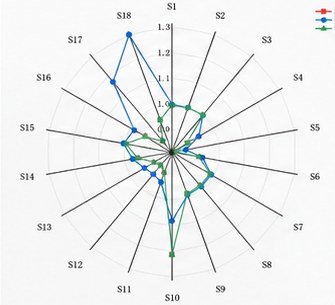
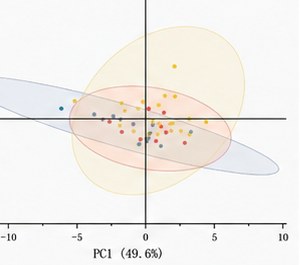
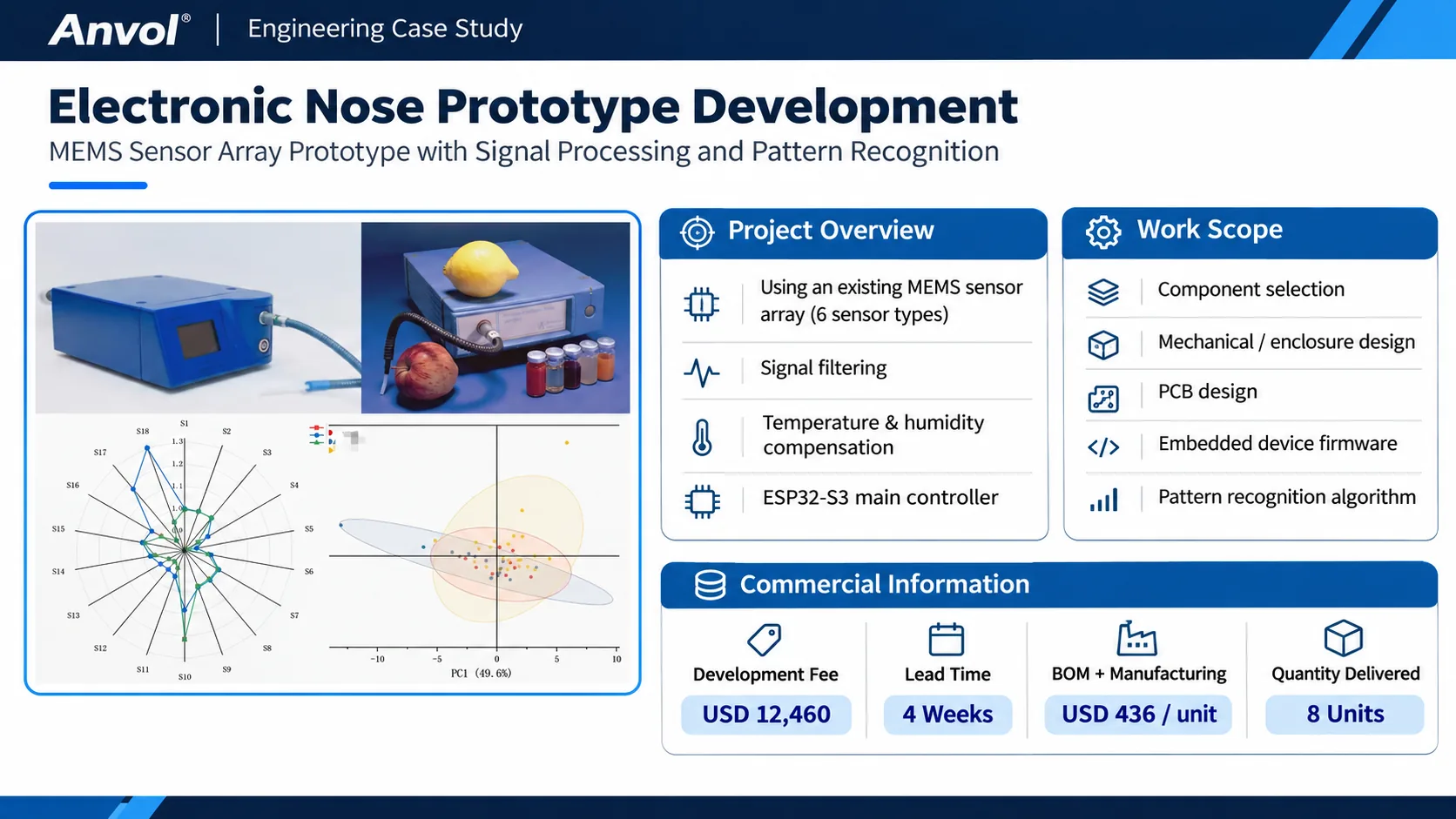
Client project: development $12,460, parts $436 per unit. An electronic nose that tells smells apart, for example fruit and liquid samples, using an existing MEMS gas sensor array with six sensor types. The ESP32-S3 main controller reads the array, filters the signals and compensates for temperature and humidity; a pattern recognition algorithm then separates the samples, shown here as a radar plot of the sensor channels and a principal-component plot. We did the component selection, the mechanical and enclosure design, the PCB, the embedded firmware and the pattern recognition algorithm.
- Client type: Client (not named)
- Units: 8 units delivered
- Development fee: $12,460
- Parts per unit: $436 per unit
- Stage: Client project, delivered
Overview and tech stack
- Project type
- Scientific & Research Equipment
- Sensors
- Existing MEMS gas sensor array, 6 sensor types
- Controller
- ESP32-S3 main controller
- Signal processing
- Signal filtering, temperature and humidity compensation
- Algorithm
- Pattern recognition (radar and principal-component plots)
What we built
- Component selection
- Mechanical and enclosure design
- PCB design
- Embedded device firmware
- Pattern recognition algorithm
What this tech stack can also build
- Electronic nose for food freshness
- Gas sensor array device
- Odor detection instrument for a lab
- VOC monitoring device
- Air quality monitor with multiple gas sensors
- Smell classification with machine learning on an ESP32
- Spoilage detector for fruit and produce
- Fragrance and flavour test rig
- Environmental sensing node with temperature and humidity compensation
- Agricultural sensor for storage rooms
- Research prototype for sensor-array data collection
- Breath or headspace sampling device for research
Project scope
- Development time
- 4 weeks
- Development fee
- USD 12,460
- BOM + manufacturing
- USD 436 per unit
- Quantity basis
- 8 units delivered
Client project. A quote for your build follows a review of your files.
What to confirm before we quote
- Target samples: which smells, fruits or liquids it must tell apart, and how many classes
- Sensor array: the six sensor types needed, and whether you supply or approve them
- Sampling method: how the sample is presented, chamber design and cleaning between samples
- Environment: temperature and humidity range where it will be used
- Algorithm and data: how you supply reference samples, and the output you want such as a label, score or plot
Start a similar project
- Send what you have: sketches, a reference product, files or a written idea.
- We review it and list the gaps and open questions.
- You get a written scope and quote.
Photos and design files