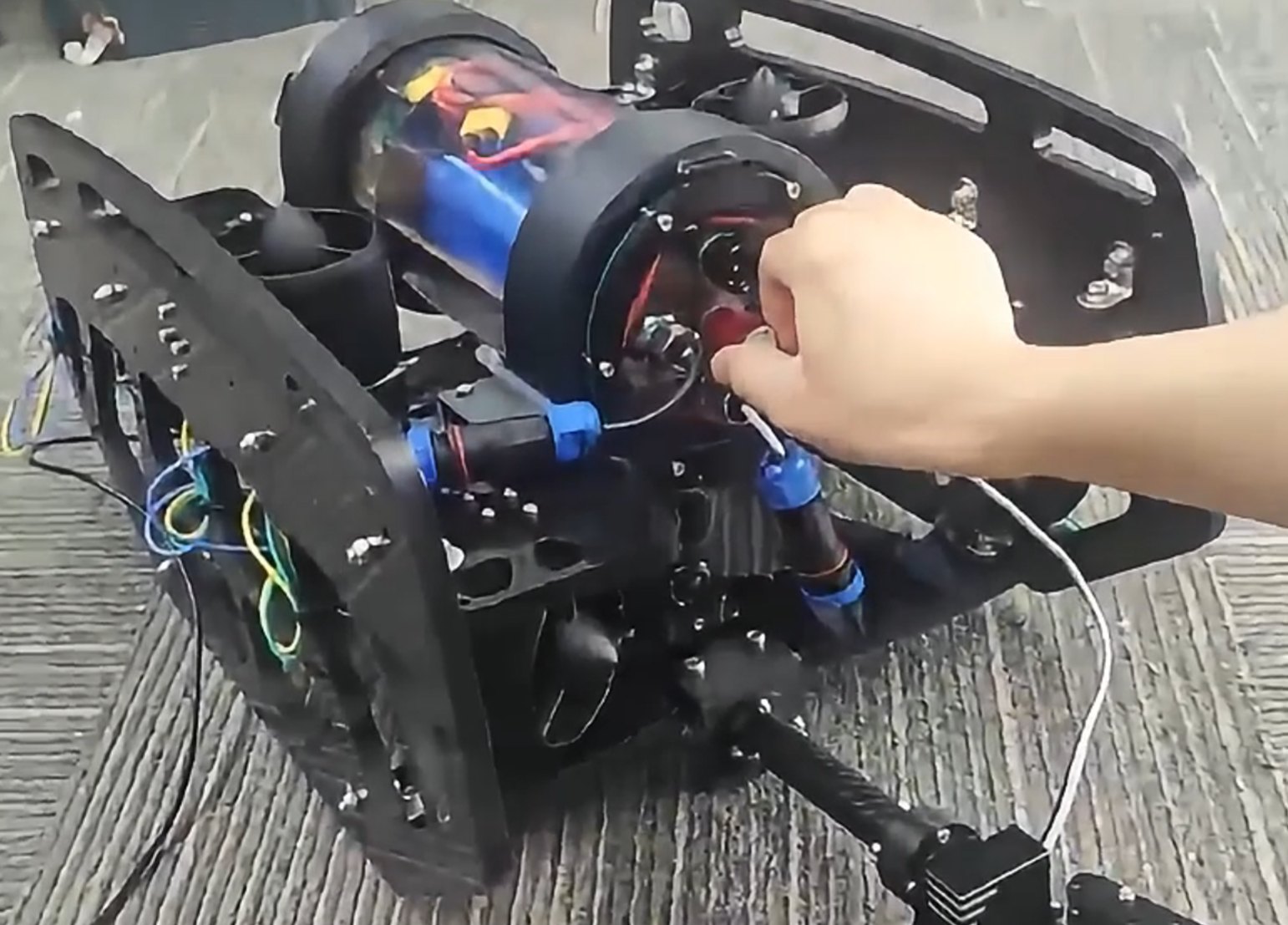
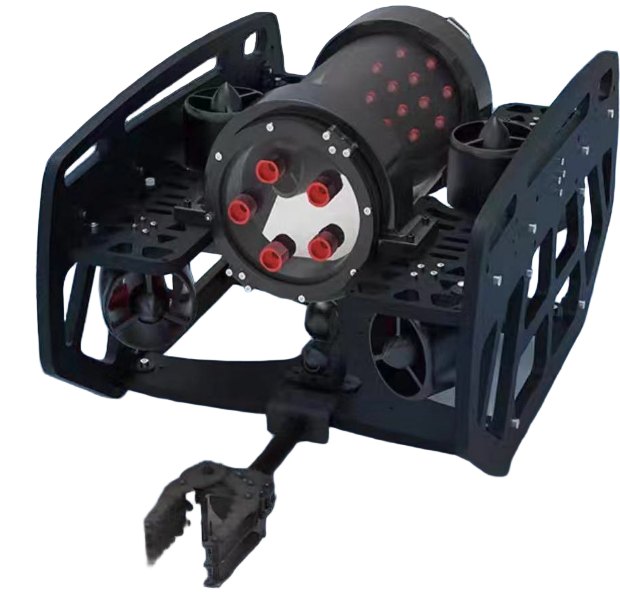
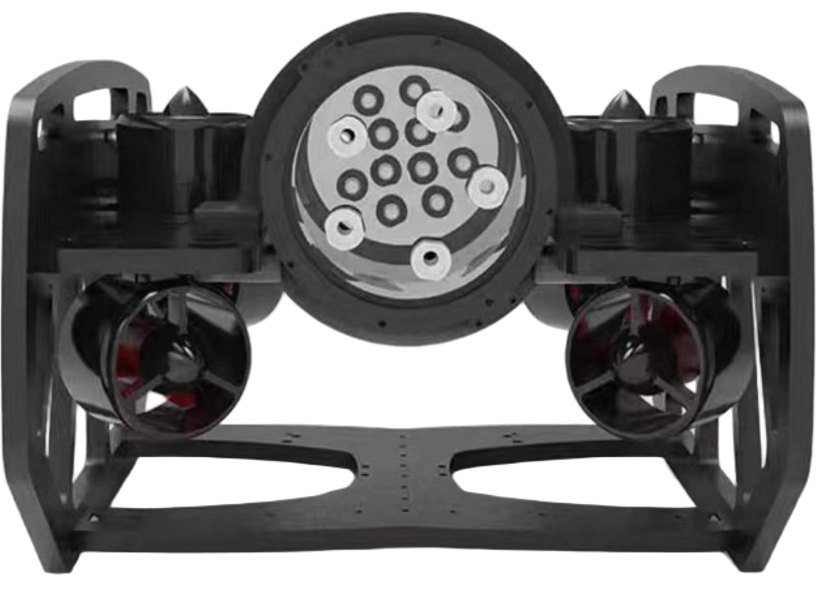
ESP32 underwater robot with gripper arm
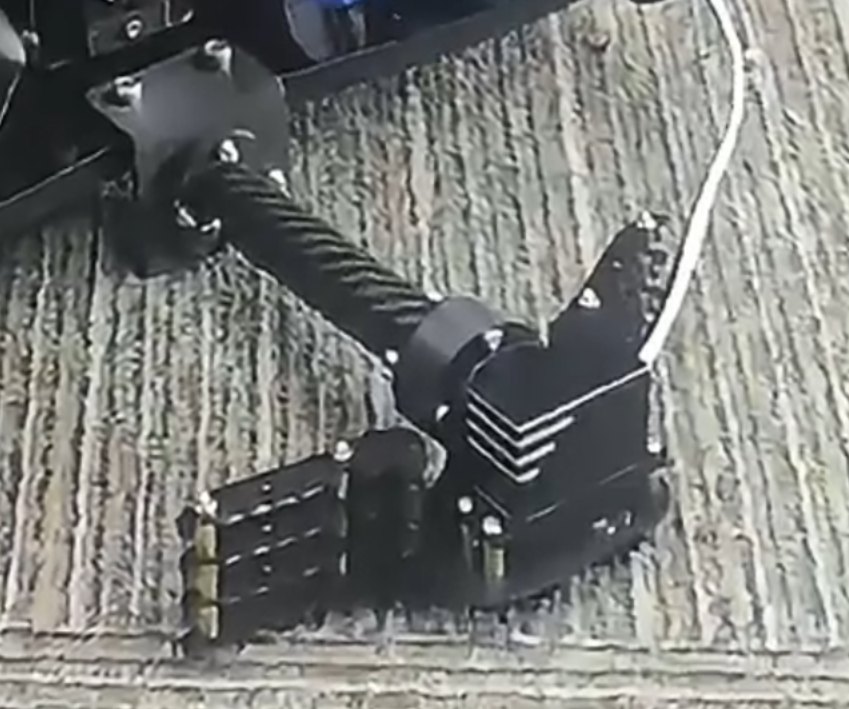
Reference figures from Anvol's engineers for a similar build: development $20,000, unit cost $2,900 per unit at 10 sets, development time 2 months. A compact remote-operated underwater robot for inspection, sample collection, environmental monitoring, teaching and research. An ESP32 drives six brushless thrusters for forward, sideways, up and down, roll and yaw motion, and a servo gripper at the front picks up samples or turns valves. A 1080p camera, a depth sensor and an IMU send live video, depth and attitude to a PC control program, and the frame is modular so sensors can be swapped or added.
- Client type: Self-developed: our engineers' own build, not a client contract
- Units: 10 sets
- Development fee: $20,000
- Unit cost: $2,900 per unit at 10 sets
- Development time: 2 months
- Stage: Built by our engineers; reference figures, no client delivery
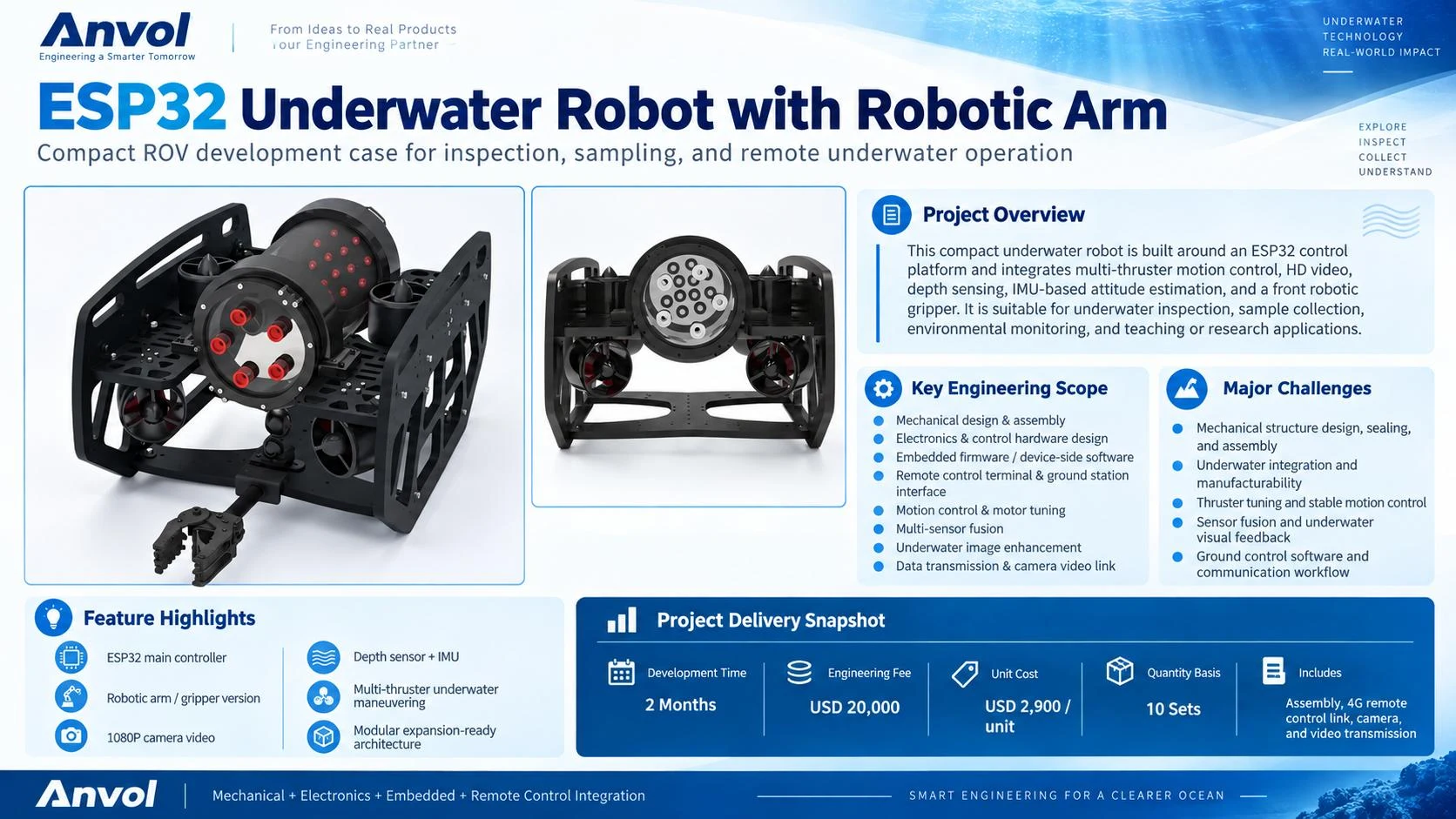
Overview and tech stack
- Project type
- Robotics & Electromechanical Systems
- Main controller
- ESP32 running FreeRTOS
- Propulsion
- Six brushless thrusters on ESCs, PWM control: surge, sway, heave, roll and yaw
- Manipulator
- Single gripper arm driven by servos (PWM)
- Sensors
- MS5837 depth sensor and 6-axis IMU over I2C
- Camera
- 1080p camera with live video and recording
- Link
- RS485 serial over a 10 m standard tether, 0–5 V analog backup
- Control
- Open-loop, PID or S-plane control; higher-level planning can be sent from a PC or AI module
- Power
- 24 V lithium battery pack with over-charge and over-discharge protection and charge monitoring
- Ground station
- PC control program with live video, depth and attitude, driven from a gamepad
- Limits
- Fresh or low-salinity water; gripper load up to 1 kg; about 3 kgf maximum thrust
Main challenges
- Mechanical structure, sealing and assembly
- Underwater integration and manufacturability
- Thruster tuning for stable motion control
- Sensor fusion and underwater visual feedback
- Ground control software and communication workflow
What we built
- Mechanical design and assembly
- Electronics and control hardware design
- Embedded firmware and device-side software
- Remote control terminal and ground station interface
- Motion control and thruster tuning
- Multi-sensor fusion and underwater image enhancement
- Data link and camera video transmission
What this tech stack can also build
- Compact inspection ROV with a gripper
- ESP32-based underwater robot for teaching
- Underwater sampling robot for water research
- Aquaculture tank and net-pen inspection robot
- Pool, tank and reservoir inspection drone
- Hull and pier camera robot
- University ROV competition platform
- Underwater robot for reinforcement-learning or AI control research
- Low-cost underwater camera with depth logging
- Valve and object handling robot for shallow water
- Modular ROV with RS485 sensor expansion
- Small-batch underwater robot kit for a STEM brand
Commercial reference
- Development time
- 2 months
- Development fee
- 20,000 USD
- Per unit
- 2,900 USD per unit (for 10 sets)
- Quantity basis
- 10 sets
- Included
- Assembly; 4G remote control link; camera and video transmission
- Not included
- Certification such as FCC/CE (quoted separately); shipping and import duties
Reference figures from our engineers for a similar build. Not a past invoice and not a fixed quote; a written quote follows a review of your files.
What to confirm before we quote
- Water and depth: fresh or salt water, working depth and current at the site
- Gripper: what it must pick up or turn, and the weight it must hold
- Link: tether length, or a surface 4G link for remote operation
- Camera and lights: video quality, recording needs and lighting for murky water
- Payloads: extra sensors or tools to fit on the RS485 bus, such as sonar or water samplers
Start a similar project
- Send what you have: sketches, a reference product, files or a written idea.
- We review it and list the gaps and open questions.
- You get a written scope and quote.
Photos and design files