Contents
- 1. The Dawn: When Computers Came Down from Their Pedestals
- 2. Open Source Movement: The Power of Free Sharing
- 3. The Maker Movement – Everyone Is a Maker
- 4. Arduino —— An Open Source Ecosystem That Enables Beginners to Get Started Easily
- 5. Emergence of the ESP32: A Powerful yet Affordable Alternative to Arduino
- 6. Wokwi Online Simulation Website: Learn Electronics for Free!!!
A Technology Revolution for Everyone.pdf 53 KB
Have you ever had a moment like this: when you see someone craft a nifty little smart gadget with their own hands — maybe a sunflower that turns to follow the light, or a tiny robot that responds to voice commands — you can’t help but gasp in awe, “That’s so cool!” And right after that, a tiny voice whispers in the back of your mind, “There’s no way I could ever learn to make something like that. ”
This feeling is completely normal. Because not long ago, the threshold for technology was truly insurmountable.
There was a time when cutting-edge technologies were firmly confined to the secluded confines of university laboratories, specialized research institutes and high-tech corporations. They demanded expensive equipment, dedicated environments and systematic knowledge reserves — a world that was within sight but beyond reach for ordinary people. Did you want to touch the future with your own hands? Turn the ideas in your mind into reality? The door to the path of innovation seemed to open only for a select few.
But the story has only just begun here.
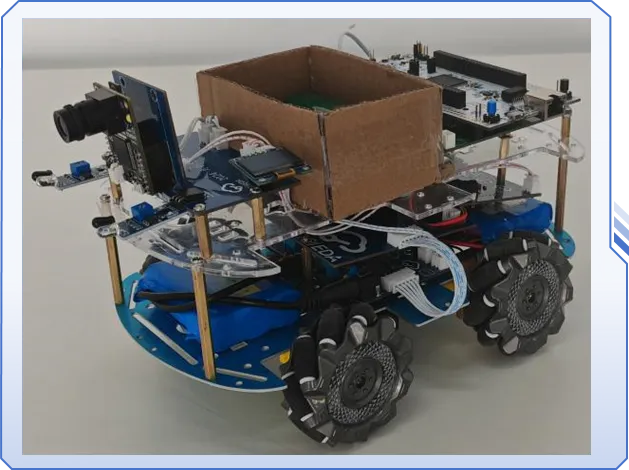
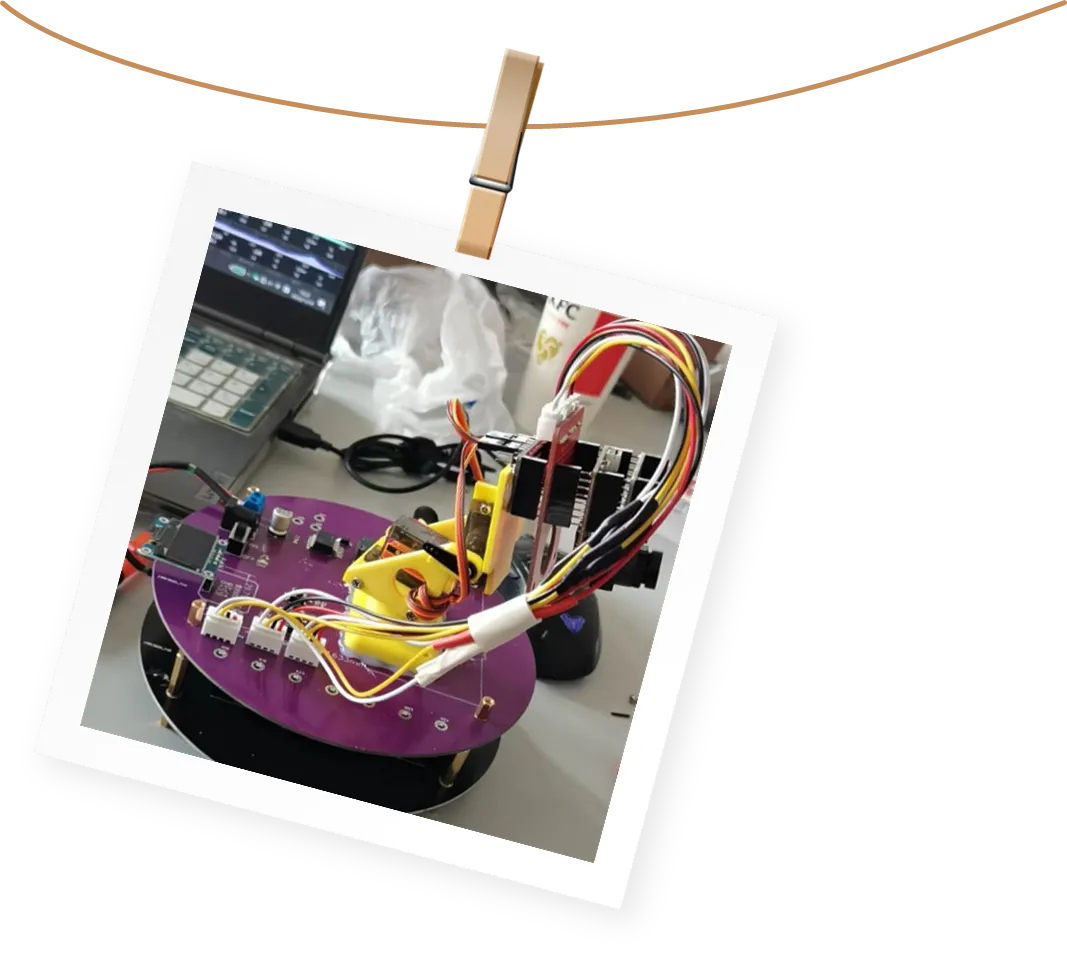
A quiet yet powerful revolution is quietly unfolding in every corner of the world. In community workshops, on campus maker spaces, and even in the study rooms and balconies of ordinary homes, people are picking up tools, turning on their computers, turning their ideas into blueprint, and infusing code into hardware. This is the Maker Movement, which is reshaping our relationship with technology in a subtle, imperceptible way.
It has torn down the high walls of the laboratory, turning once unreachable intelligent technologies into tangible components, programmable code and assemblable structures that sit right on everyone's desktop. Arduino has made microcontrollers simple and accessible, 3D printing has put complex components within easy reach, and open-source communities have enabled the free flow of knowledge — the tools for creation have never been so readily available as they are today.
This is no longer a carnival of technology, but a liberation of possibilities. The core message it seeks to convey is: deep inside the version of you that once thought "I can never learn this", there actually resides a creator yet to be awakened.
1. The Dawn: When Computers Came Down from Their Pedestals
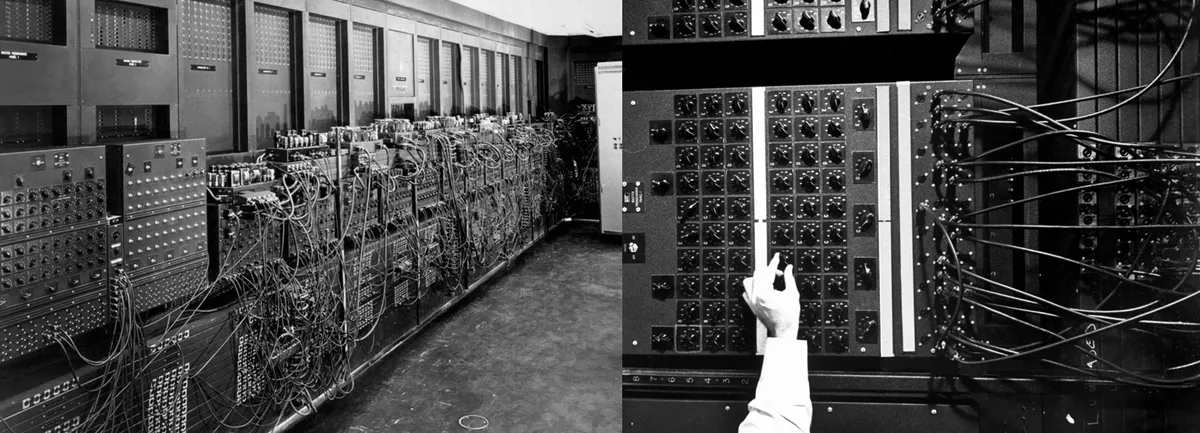
For most of the 1970s, the word "computer" still conjured up images of bulky, expensive behemoths that emitted massive heat and a constant hum, housed in temperature-controlled dedicated data centers. Back then, computers had no graphical user interface or mouse; all operations relied entirely on command lines, and only professionally trained programmers could master them.
For the general public back then, computers remained a highly inaccessible technological product: expensive, complicated and far removed from daily life, serving as exclusive tools only for government agencies, research institutes and large enterprises. No one could have imagined that decades later, computers would take the form of laptops, tablets and even mobile phones, becoming readily accessible companions in everyone's daily lives.
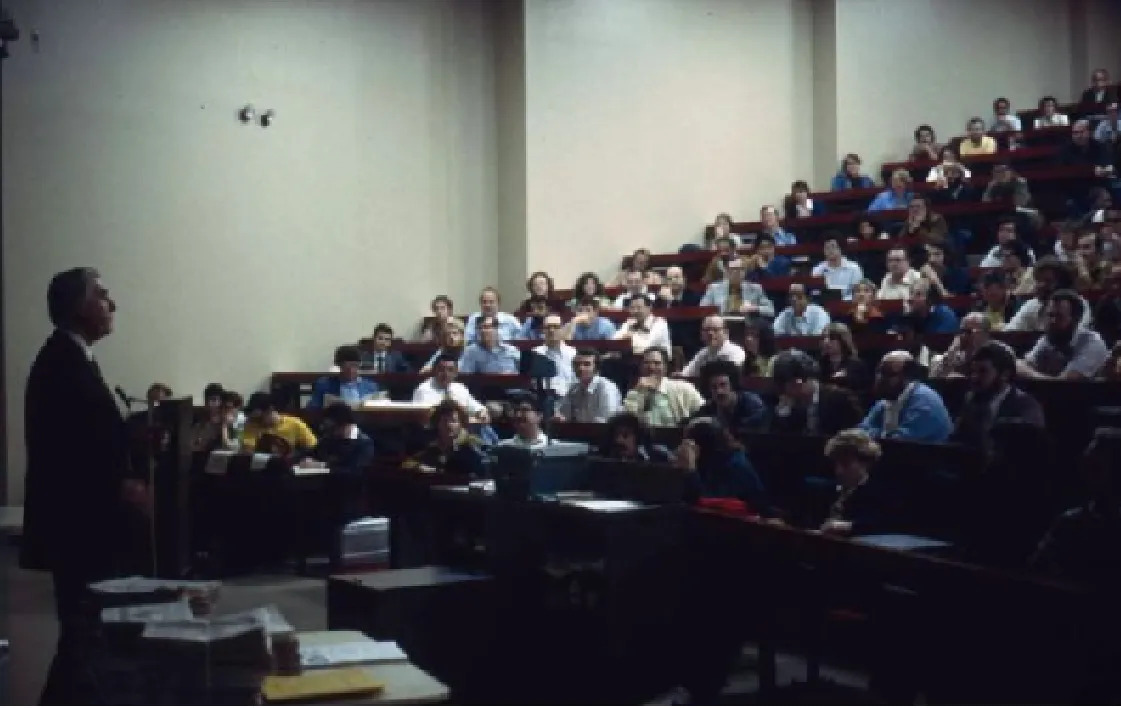
Yet no matter how high the technical barriers are, they can never stifle humanity's innate curiosity and drive to create. Right at the fringes of this seemingly unassailable landscape, a storm stirred up by hobbyists was quietly brewing. In California, US, a garage gathering called the Homebrew Computer Club became the epicenter of this tempest.
A group of enthusiasts obsessed with electronics and computers would gather together to share their latest homemade circuit boards, assembly experience, and wild ideas. They had no grand plans, but they shared a common belief: that computers should belong to everyone, not just a handful of experts. That belief sounded almost like a fairy tale in those days. Yet it was this "naive" ideal that gave birth to the giant that would later change the world.
Among this group of passionate young people, two Steves stand out in particular: Steve Jobs and Steve Wozniak. Both were deeply influenced by the club's spirit of free sharing, yet each shone with a distinct light. Wozniak was a gifted engineer obsessed with hardware logic, capable of designing complex circuits entirely in his mind; Jobs, on the other hand, possessed a sharp eye for the future and an artist's stubborn dedication, firmly believing that computers should not merely be tools, but a perfect fusion of aesthetic appeal and creativity.Together, they grew tired of those bulky and expensive mainframes, and nurtured a shared dream: to create a compact, user-friendly, and affordable computer that anyone could own and operate.
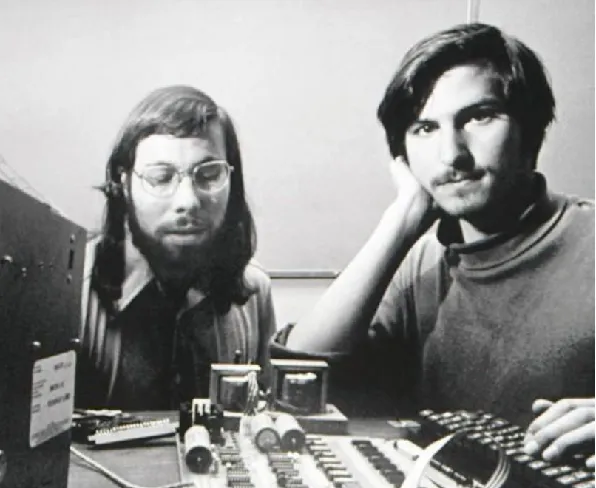
In the spring of 1976, they got to work in the garage of Jobs' family home, a space that would later be hailed by countless people as "the place that changed the world". A few months later, they launched the Apple I — a circuit board hand-soldered by Wozniak, devoid of a casing or a keyboard, yet a genuine "personal computer" in the truest sense of the term. It was a machine that could operate on a desk, one that anyone could buy, assemble, and program for use.
The debut of the Apple I lit the very first spark of the personal computer revolution. In that moment, for the first time ever, the computer truly "moved out of the laboratory and into the hands of individuals".
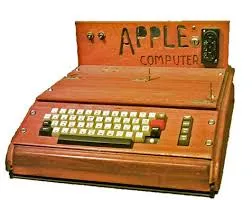
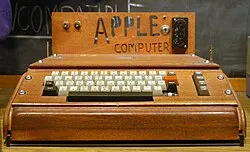
The success of the Apple I made people realize that computers did not have to be exclusive behemoths for enterprises, but could also be personal companions. Two years later, the Apple II was launched, and with its user-friendly interface and outstanding performance, it quickly made inroads into the education and home sectors. Then in 1981, IBM released the IBM PC, which officially propelled the personal computing wave across the globe. From then on, the term "computer" no longer referred to bulky, expensive equipment, but a creative tool that everyone could own. Its speed of adoption exceeded everyone's imagination.
The significance of the personal computer revolution lies not merely in the miniaturization and popularization of hardware, but more profoundly in an ideological liberation. It made people truly believe for the first time that technology could belong to individuals, and innovation did not require waiting for permission. It is precisely this spirit that laid the groundwork for the subsequent rise of the "maker movement". Those young people soldering circuit boards in garages kindled the spark of a brand-new era — an era where everyone can program and everyone can create.
They may not realize that the soldering irons and chips they held in their hands back then, just like today's open-source hardware and 3D printers, were all symbols of "free creation". The personal computer revolution not only changed the fate of technology, but also reshaped the way human beings create. It turned us from "users" into "creators", and from "passive recipients" into "active innovators". At this moment, the relationship between humanity and technology was completely rewritten: the computer was no longer a deity behind high walls, but an extension of human thought, a creative pen in everyone's hand.
2. Open Source Movement: The Power of Free Sharing
2.1 Open Source Software Movement
With the popularization of computers, an increasing number of people have begun to get in touch with programming. However, at that time, the software world was still firmly controlled by a small number of large companies, and programmers could not freely access the source code, nor could they modify or share the software.
The closed ecosystem has left countless developers feeling deeply frustrated: they clearly have the ability to solve problems, yet their hands are tied by these "unmodifiable black boxes". It is against exactly this backdrop that a world-changing software freedom movement began to quietly take shape.
2.1.1 Stallman's Pain-Inspired Insight: The GNU Project
To understand the origins of the free software movement, we have to go back to a specific event in the late 1970s. At that time, Richard Stallman was working at the MIT AI Lab. The lab had just acquired a state-of-the-art Xerox 9700 laser printer, which boasted high printing speed and quality, yet it had a recurring problem — frequent paper jams.
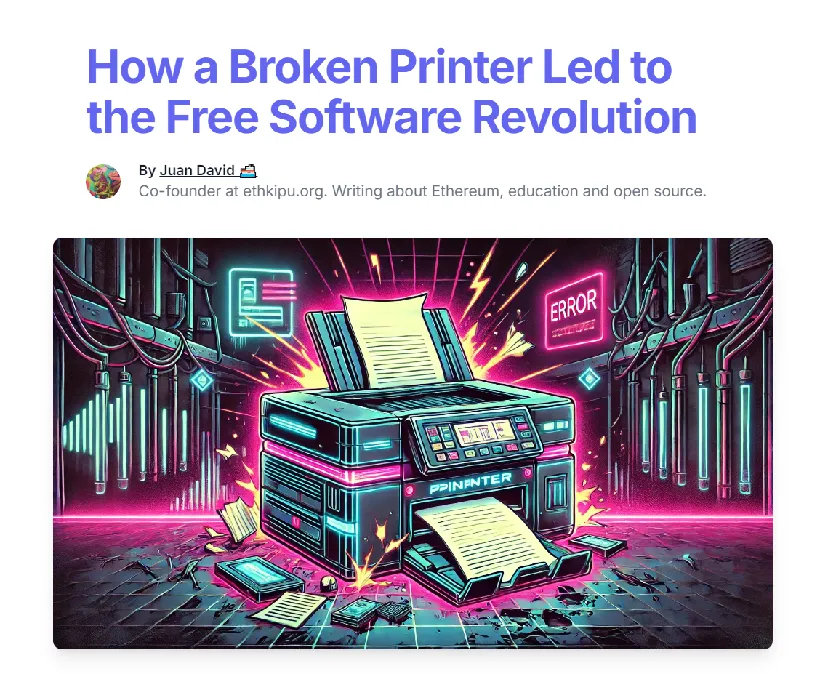
On older legacy printers, lab engineers often modified the drivers to adjust their behavior: for instance, triggering an alert or sending a notification when the printer jammed, to help everyone address the issue promptly and minimize disruptions. When working with the Xerox 9700, the lab likewise hoped to make improvements to address paper jams, but they quickly ran into a critical obstacle: the printer driver had no source code, meaning programmers could not examine or modify the driver to resolve the problem.
Stallman did not give up on this. He made inquiries about where the source code had gone and got in touch with external developers who had once worked with such code. However, when he asked to obtain the source code to fix the problem, the response he received was the stinging words:"Sorry, I have signed a Non Disclosure Agreement, so I can't give you the code. "
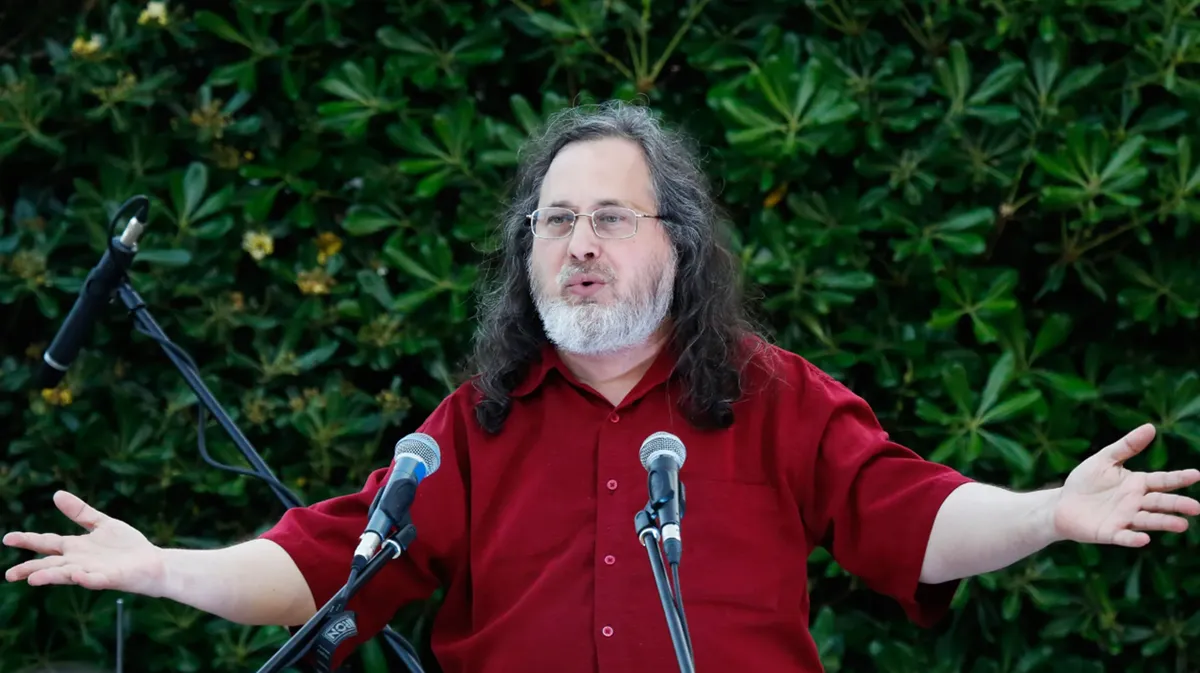
This cut Stallman to the quick. He realized that the problem went far beyond a paper jam in a printer. Software was undergoing a quiet corruption: it was shifting from a tool that served users and could be collaboratively improved by the community into a proprietary commodity locked down by layers of legal and commercial terms. This closed model not only stripped users of the freedom to solve problems for themselves, but also stifled the longstanding tradition of free collaboration and mutual improvement among programmers. In other words, software was being transformed from a collaborative public resource into a restricted piece of private property.
In that instant, Stallman realized that what he was confronting was no longer a technical issue, but an institutional predicament concerning knowledge and freedom. It can be said that the constantly paper-jamming printer became the trigger for the entire movement — it turned a specific engineering frustration into an exposure of the deep-seated ethical and structural problems within the entire software industry, ultimately giving rise to the far-reaching free software movement and open-source culture.
Inspired by this, Stallman decided to respond with action. In 1983, he launched the renowned GNU Project. This name is a classic recursive acronym — "GNU’s Not Unix", which serves as both a technical self-deprecation and a manifesto: it aims to be functionally compatible with Unix, yet completely rejects the closed commercial licensing logic of Unix.
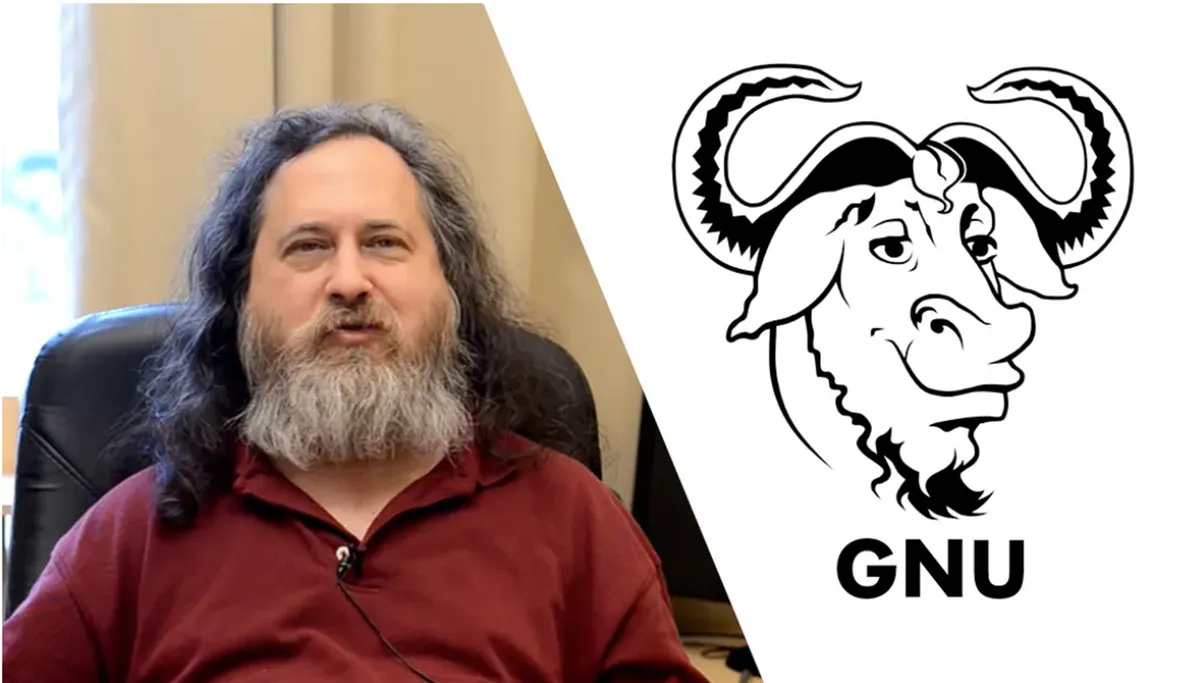
GNU has an ambitious goal: to build a completely free operating system that anyone can use, study, modify, and redistribute.
In Stallman's view, software should not be just a commodity to be bought and sold, but a public social resource. He repeatedly emphasizes: "The freedom of free software is not the freedom of being free of charge, but the freedom of freedom." True freedom means that users can understand, modify, and share software, rather than passively obeying the rules set by manufacturers.
This concept was revolutionary at the time. Through the GNU Project, Stallman aimed to make "free software" a ubiquitous cultural fact – enabling people to naturally enjoy the right to use and modify software just as they do with air and knowledge, without being restricted by any commercial forces.
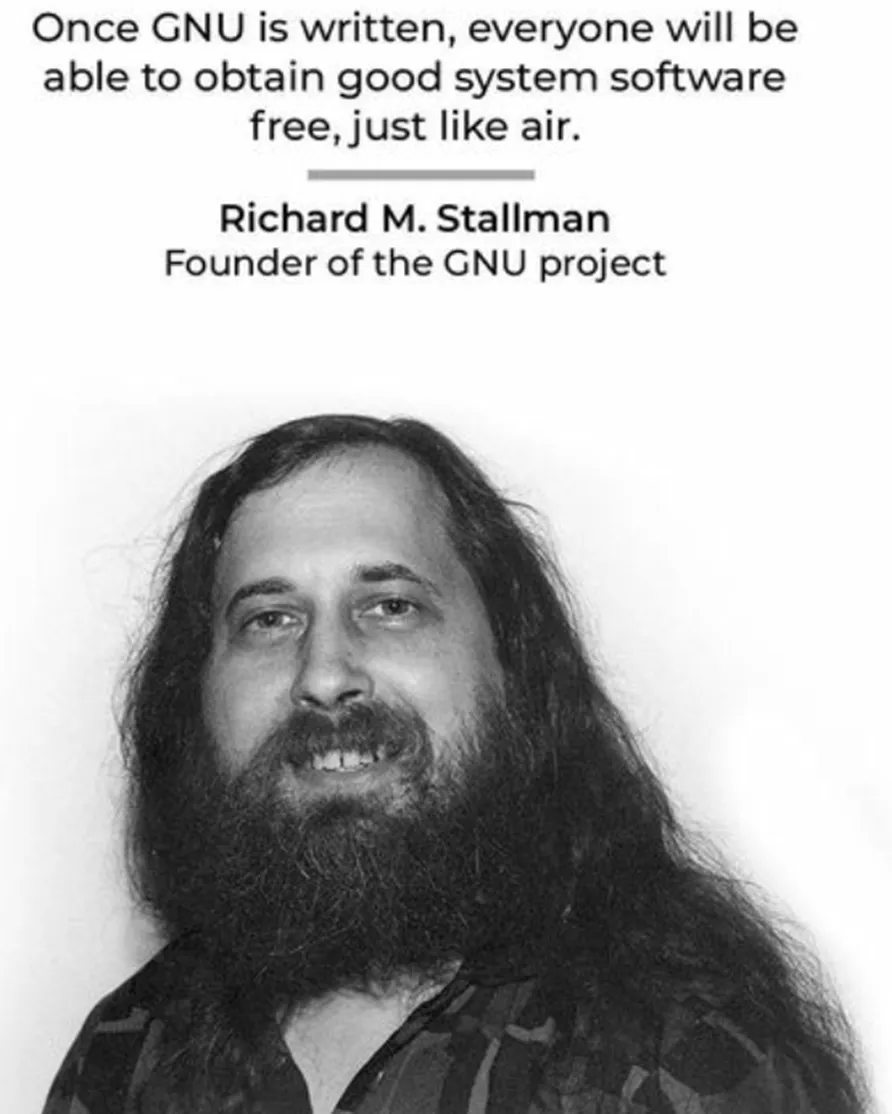
In the GNU Project, Stallman not only personally wrote a large number of core tools such as compilers, editors and debuggers, but more importantly, he established a complete set of ethical principles and legal mechanisms for free software to prevent freedom from being deprived again. The subsequently born GPL (GNU General Public License) has become the cornerstone of the entire open source ecosystem: anyone who uses these codes must continue to maintain openness and sharing to ensure that the transmission of freedom will not be interrupted.
From the paper jam in a Xerox printer to the birth of the GNU Project, this thread unfolds with a clarity almost akin to a fable: a seemingly trivial technical issue lifted the veil on the era of proprietary software, while one programmer's perseverance kindled the flame of the free software movement. Stallman did not rely on capital or power to change the world; he simply held fast to a simple yet unwavering conviction — "Knowledge should belong to all people, and software should serve humanity, not restrict it. "
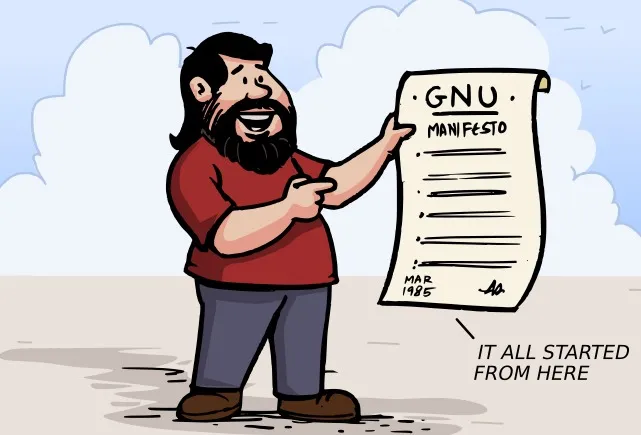
It is precisely this conviction that made GNU the starting point of free software, and laid the ideological and institutional foundation for countless subsequent open-source projects such as Linux, BSD, Apache and Mozilla. Since then, a new possibility has emerged in the software world: a technological civilization centered on freedom, collaboration and sharing.
2.1.2 Establishment of the Free Software Foundation (FSF)
As the GNU Project advanced, the idea of "free software" gradually evolved from a slogan held by only a few idealists into a tangible, implementable engineering system. However, Stallman soon realized that the enormous free software ecosystem could not be sustained by the power of individual programming alone. Freedom requires not only conviction and code, but also institutionalized guardians. Thus, in 1985, the Free Software Foundation (FSF for short) was officially established.
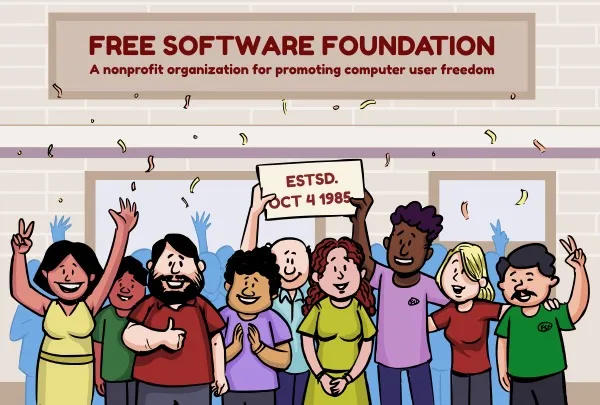
The FSF has a very clear mission: to promote, support and protect the free software movement. It not only provides legal and financial backing for the GNU project, but also takes on the task of formulating and upholding the rules of "freedom". In other words, the FSF is the institutional extension of the GNU philosophy — transforming what began as spontaneous collaboration among a group of programmers into an organized, structured social movement.
The founding purpose of the Foundation encompasses three layers of significance:
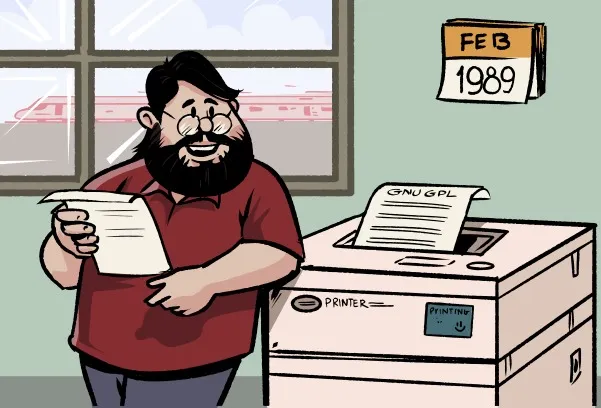
First and foremost, it serves as a protective umbrella for technological achievements. Stallman and his associates found that without legal safeguards, so-called "free software" could easily be modified and then re-closed by commercial entities. To address this, the FSF developed and promoted the renowned GNU General Public License (GPL). This was an unprecedented software licensing agreement that inverted the traditional logic of copyright — instead of "prohibiting copying", it mandated "compulsory sharing". Any software based on the GPL must make its source code publicly available, allowing users to freely use, modify, and redistribute it, on the condition that: all subsequent versions must retain the same freedoms. This is known as "copyleft", which is also the core spirit of the free software movement.
Secondly, the FSF is an advocate for ethics and culture. In Stallman's view, the issue of software is not essentially a technical one, but a social one. It concerns whether users can control their own tools and whether developers can collaborate on an equal footing. The FSF therefore frequently issues statements, holds lectures and publishes magazines to raise public awareness of "digital freedom". Stallman's definition of the four freedoms (to run, study, modify and share) was also systematized and spread during this period.
Third, the FSF also served as a binding force for the community. Driven by it, programmers, scholars and liberals across the globe began to collaborate via mailing lists and online platforms, forming the early free software community. This distributed mode of collaboration later became the prototype for "open-source development" and laid the foundation for internet-based collaborative culture.
It can be said that the establishment of the FSF transformed "free software" from a concept into an institutionalized framework, elevating it from individual actions to a social movement. Since then, GNU has ceased to be merely Stallman's personal project and become a collective cause for programmers across the globe. It defines "rights" in an unconventional way: not as a means to control others, but to safeguard sharing; not as a restriction on usage, but as a guardianship of freedom.
The influence of the Free Software Foundation goes far beyond the technical sphere. It has laid the legal and ethical cornerstone for the entire open source ecosystem, providing the spiritual and institutional soil for the subsequent prosperity of projects such as Linux, Apache, Mozilla and Python. As Stallman put it: "Free software is not anti-commercial, but Anti-Trust; it is not anti-technology, but a way to return technology to humanity. "
2.1.4 The Emergence of Linux: A Milestone for Free Software and Open Source Software
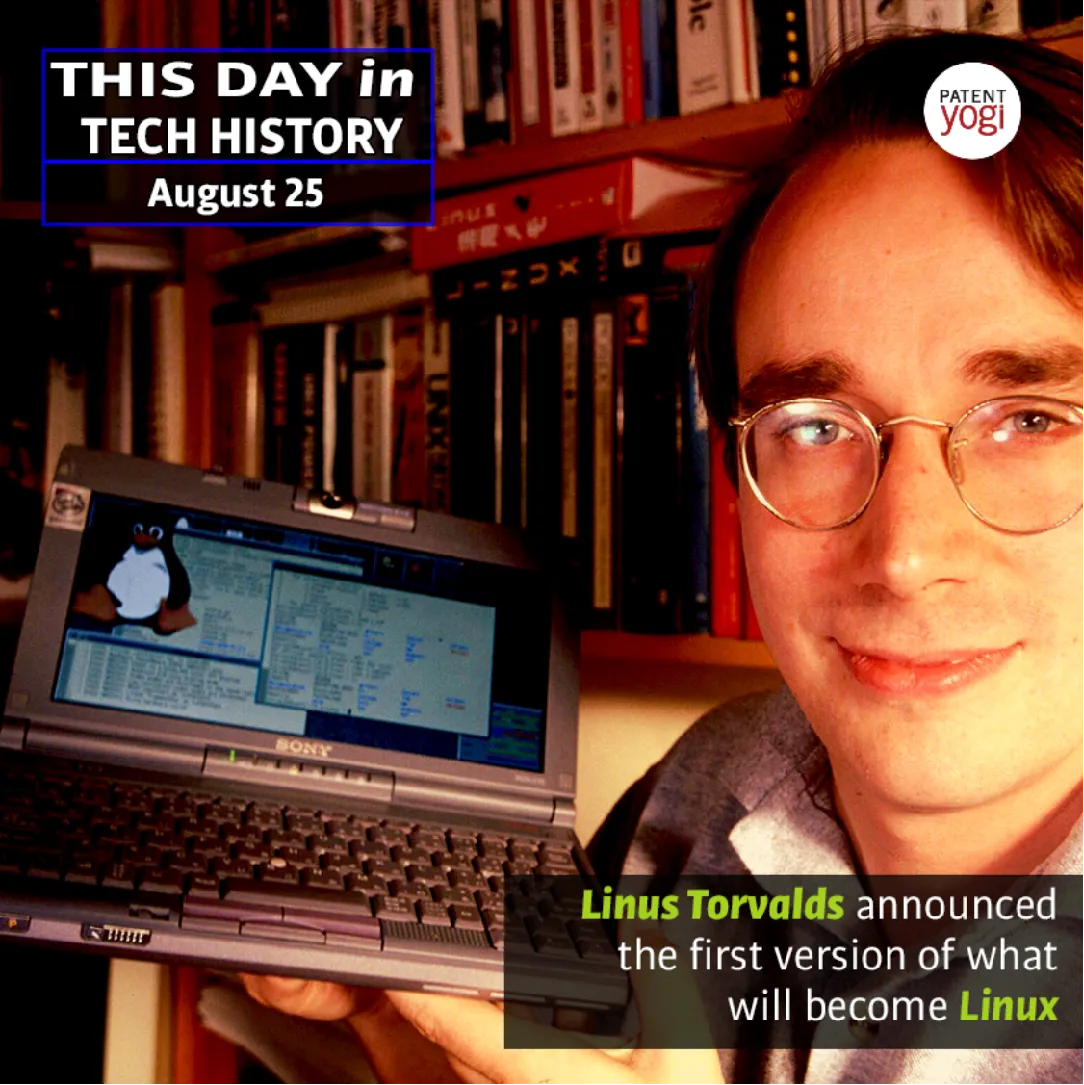
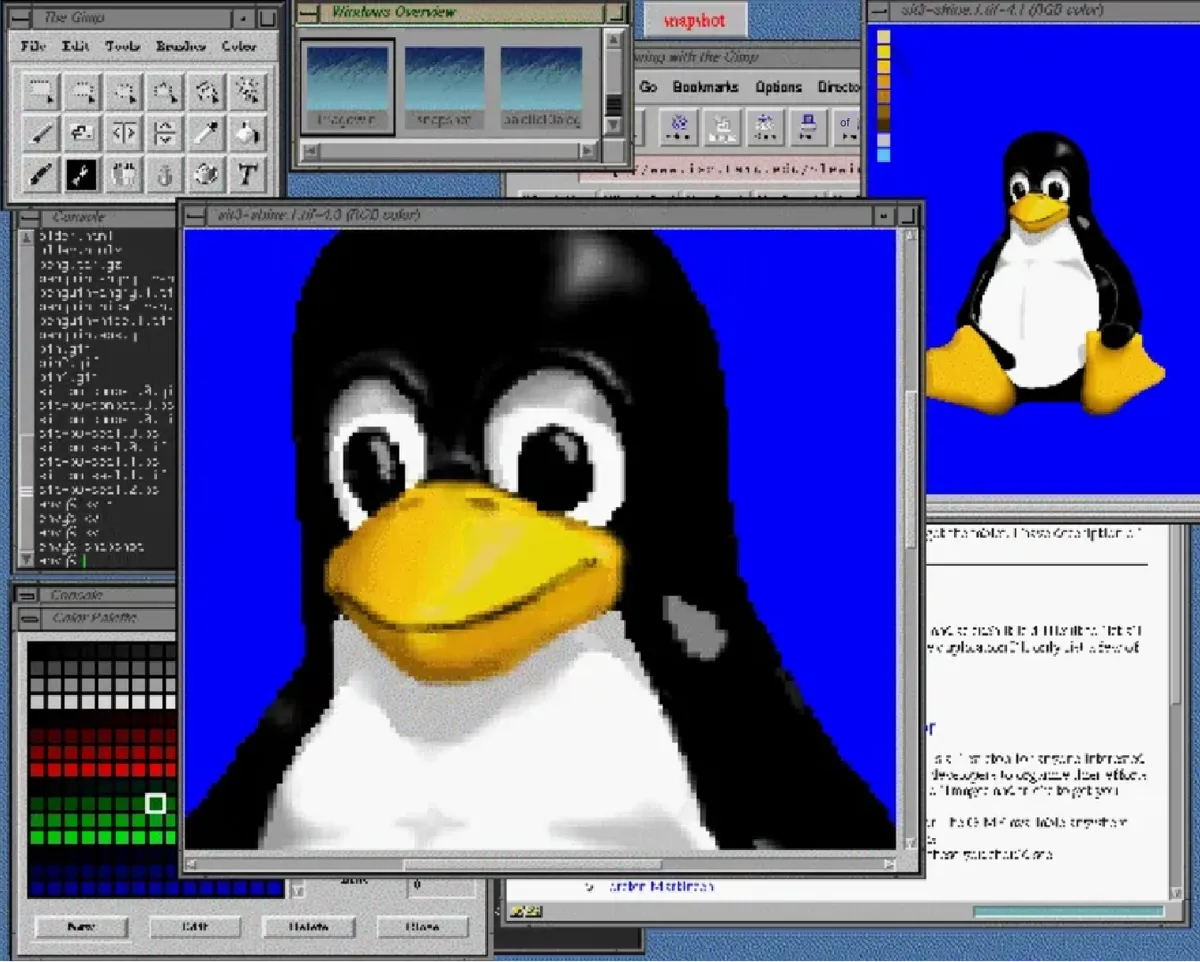
In 1991, Linus Torvalds of Finland released the first version of the Linux operating system, which became a milestone for open-source software. Linux is a fully open-source operating system, and anyone can download, view, modify and share its source code. The release of Linux marked a historic breakthrough for free and open-source software.
As some open-source advocates put it, "Software freedom is not just for programmers, but for everyone. " Freedom is the foundation of sharing and collaboration. Open-source software not only gives programmers more freedom but also drives the collective development of the entire technical community.
2.1.5 Official Proposal of the "Open Source" Concept
In the late 1990s, the philosophical ideas embodied in the free software movement, especially the ambiguity of the term "Free"(which is easily misinterpreted as "zero-cost" in English), hindered its widespread adoption in the business world to a certain extent. To convey the collaborative development model of "sharing source code" and its commercial value more clearly to enterprises, some community leaders began to promote the transformation of terminology and discourse systems.
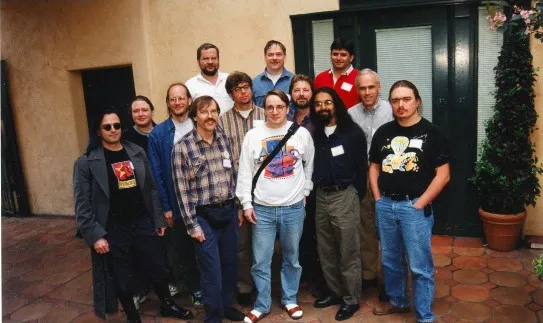
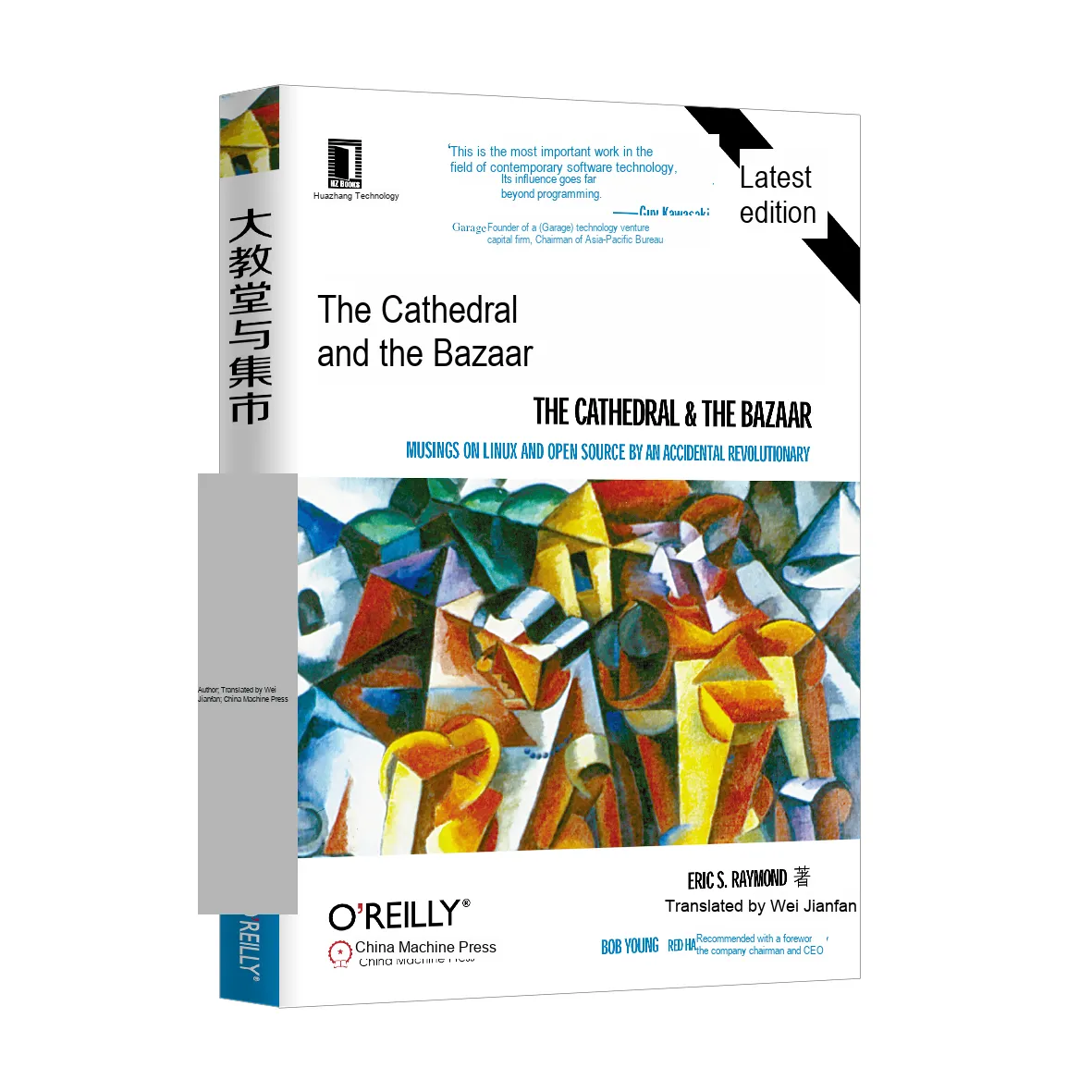
In February 1998, at a strategic meeting held in Palo Alto, California, US, a group of people including Christina Peterson, Todd Anderson, Larry Augustin, Jon Hall, Sam Ockman, and Eric Raymond jointly proposed adopting the new term "open-source software". Subsequently, Eric Raymond, Bruce Perens and others became the core figures promoting this concept. In his work *The Cathedral and the Bazaar*, Raymond influentially demonstrated the superiority of the open-source development model, providing solid theoretical support for this concept.
The term "open source" was intended to downplay philosophical appeals and instead emphasize its methodological advantages: by making source code publicly available and leveraging the power of peer review and community collaboration, higher-quality, more secure and more reliable software can be created. This pragmatic proposition has greatly alleviated the concerns of commercial companies.

This idea quickly received a strong response from the industry. In the same year, Netscape Communications, which was in fierce competition with Microsoft's Internet Explorer browser, made an industry-shocking decision: to open the source code of its flagship product, the Netscape Communicator browser. This move was designed to leverage the wisdom of the global developer community to improve its product. The project later evolved into the Mozilla project, which eventually gave birth to the widely popular Mozilla Firefox browser.This decision by Netscape is regarded as the first major open-source initiative launched by a mainstream commercial company. It powerfully demonstrated the feasibility and tremendous potential of the "open source" concept, paving the way for numerous subsequent commercial companies to participate in open-source projects. Since then, "open-source software" and "free software" have together constituted the two parallel ideological and practical trends driving the collaborative development of modern software technologies.
2.2 From Bits to Atoms — The Rise of Open Source Hardware
In the 1990s, the topic of "from bits to atoms" was thrust into the spotlight, a concept first put forward by Nicholas Negroponte of the Massachusetts Institute of Technology (MIT) Media Lab.
Initially, innovations in computers mainly took place in the software domain (bits), but as technology advanced, people began to ponder how to extend the innovative capacity of the digital world to the physical world (atoms). This is exactly the backdrop against which open source hardware emerged: if software can be open sourced and freely shared, why can't hardware?
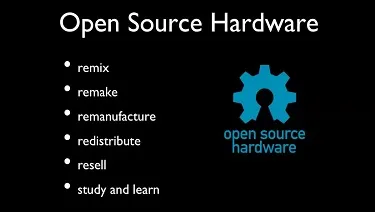
Open-source software essentially means that its code is public, reusable and modifiable. By analogy to hardware, this refers to: publicly available hardware design documents, including schematics, circuit board diagrams, BOM lists, embedded code, and the like where anyone can carry out redesign, improvement, or even monetization based on these materials.
2.2.1 Establishment of OpenCores
Amid the rising tide of the internet, the "open" concept in the software world has begun to yield initial results. The success of open-source projects such as Linux and Apache has demonstrated the tremendous power of collaborative innovation. Meanwhile, in the hardware domain, a similar transformation is quietly brewing.
In 1999, a website named OpenCores was launched in Europe. It was initiated by Swedish engineer Danko Nikolić and volunteer developers from around the world, with a highly ambitious goal — to make digital hardware design open and shared just like software.
Back then, the idea of "sharing hardware designs" was almost radical.Chip, circuit and logic design are generally regarded as a company's top trade secrets, yet OpenCores takes a completely different approach: it uploads these "confidential assets" directly to the internet, where anyone can freely download, study, modify them, and even apply them to their own chip projects.
The core achievement of OpenCores is the launch of a series of freely usable digital logic IP cores (Intellectual Property Cores), which are equivalent to the "building blocks" in chip design — such as CPU cores, bus interfaces, memory controllers, encryption units, etc. Developers can combine these modules into a complete System-on-Chip (SoC) just like assembling software libraries.
Among these projects, the most representative one is OpenRISC 1000 — the world's first truly open-source CPU architecture.
OpenRISC adopts the RISC (Reduced Instruction Set Computer) concept, providing an open Instruction Set Architecture (ISA) and synthesizable hardware description language (HDL) source code. Anyone can directly download the HDL code, verify it with an FPGA, or send it to a foundry to manufacture a physical chip.This was nothing short of revolutionary at the time: "For the first time, we saw that the logic design of a silicon chip could be freely modified and reused, just like software source code. "
The emergence of OpenCores marked the transition of "open-source hardware" from concept to practice. It not only laid the ideological foundation for the subsequent RISC-V and the open-source chip movement, but also made countless engineers realize for the first time that — intellectual property and innovation do not have to be built on closure; transparency and sharing can also give birth to powerful technological forces.
2.2.2 Draft of TAPR Open Hardware License
If the birth of OpenCores made people see the possibility of "open source hardware", what truly consolidated this concept was the breakthrough at the legal level.
Around the year 2000, many engineers encountered a common problem when sharing hardware designs:
"We are willing to make the design drawings public, but once others copy, modify or use them for monetization, how can our rights and interests be protected? "
The software domain has mature licensing frameworks such as GPL (GNU General Public License), but hardware is not as straightforward as "code". It involves circuit schematics, PCB designs, bills of materials (BOM), mechanical structure diagrams, firmware and embedded software and many other forms of creative work. These contents often span multiple types of intellectual property rights — including copyright, and potentially also involving patent or industrial design protection.
Against this backdrop, the TAPR (Tucson Amateur Packet Radio) Association — an active radio technology community, in 2002 drafted and released the world's first license agreement for open source hardware: the draft TAPR Open Hardware License (OHL).
The significance of TAPR OHL lies in the fact that it is the first to systematically define the legal boundaries and obligations of "open source hardware".
The core spirit of this license includes:
- Openness of design materials: Schematic diagrams, layout files and other relevant materials must be fully disclosed to ensure that others can reproduce and modify the design.
- Share-Alike for Derivative Works: If others modify or build upon the original work, the resulting new design must also be released under the same license.
- Freedom of Manufacturing and Monetization: Any individual or organization is permitted to manufacture and sell physical products based on this design.
- Disclaimer and Liability Waiver: The original author shall not be liable for any losses arising from the use of this design, and this clause protects open-source contributors.
The emergence of these terms has for the first time provided "open source hardware" with a legal basis corresponding to that of "open source software".
It is no longer just a verbal agreement among engineers, but a formal protocol template that can be replicated, cited and followed.
The launch of TAPR OHL also served as a blueprint for a number of subsequent licensing systems, such as CERN OHL, Solderpad License, among others. As its drafter John Ackermann put it:
"If we don't define the boundaries of open source hardware, someone else will define it for us — and lock it behind walls. "
The significance of this draft lies not only in its legal provisions, but more importantly in the concept it establishes:
Openness does not equate to disorder, and sharing also requires rules.
It is precisely this balance that takes both freedom and responsibility into account that has driven open source hardware from a spontaneous ideal towards a sustainable ecosystem.
2.2.3 CERN's Participation in Promoting Open Hardware Standards
In the early days of the open source movement, most of its promoters were programmers and amateur engineers. However, what truly allowed "open source hardware" to break out of grassroots communities and integrate into the global technology system was the participation of scientific research institutions. The most representative force among these comes from the European Organization for Nuclear Research — CERN (European Organization for Nuclear Research).
CERN is one of the largest particle physics research institutions in the world, boasting thousands of scientists and astonishingly complex experimental facilities. The Large Hadron Collider (LHC) requires a massive number of customized electronic and measurement and control devices, with every circuit board and every signal channel developed through collaboration among multinational teams. Yet, within such a sprawling collaborative system, CERN faces a practical problem:
How to ensure that these hardware designs can be freely shared, verified and improved among global scientific research teams freely shared, verified and improved without being hindered by the intellectual property barriers of various countries?
It was precisely this issue that prompted CERN to officially release in 2011 the CERN Open Hardware License (CERN OHL). This is the first open hardware license in human history led by an international research institution and oriented towards scientific equipment and electronic designs.
The CERN OHL spiritually inherits the concept of the TAPR OHL, while being more rigorous and professional in terms of structure and application. Primarily targeting scientific research and engineering projects, it defines the following core principles:
- Open Design for Manufacture requires not only the public disclosure of circuit schematics and PCB files, but also the provision of complete production data sufficient to reproduce the physical product.
- Derivative Obligations and Transparent Transmission
All improved versions derived from the original design must indicate the source and be released under the same license, so as to ensure that the chain of knowledge transmission will not be interrupted. - Document Integrity
All designs shall be accompanied by version numbers, change records and author signatures to ensure the traceability of scientific research. - Dual Application of Law and Engineering
The CERN OHL addresses both copyright and patent issues, enabling it to carry legal effect on an international scale.
CERN did not merely formulate a license; more importantly — it has verified the feasibility of open-source hardware in the scientific research system with practical actions.
Since the release of this agreement, CERN has made the design documents of a large number of experimental devices, detector interface boards, power modules and monitoring systems publicly available on the Internet, allowing research teams around the world to reuse them freely. This model has greatly reduced the redundant R&D costs of scientific facilities and accelerated the progress of cross-border experiments.
For example, the Open Hardware Repository (OHR) project operates under the framework of the CERN OHL. Engineers can directly download complete hardware design files for secondary development or manufacturing revisions, and then feed the improved solutions back to the community. This "research-open source-research" cycle mechanism truly makes knowledge sharing an accelerator for scientific and technological innovation.
CERN's involvement marks the transition of open source hardware from a hobbyist movement to an institutionalized and global stage. It turns "openness" from nothing more than an idealistic notion into a standard practice that research institutions, universities and enterprises can all follow.
As Javier Serrano, head of the CERN open source hardware team, put it:
"The essence of science lies in verifiability and reproducibility, and open source hardware is precisely the extension of this spirit in the field of engineering. "
2.2.4 Release of the RISC-V Instruction Set (University of California, Berkeley)
If OpenCores opened the door to "shareable hardware" and the CERN OHL made "open-source legality" possible, then RISC-V 's birth marked the first time that open-source hardware reached the core of the global industry: the processor architecture itself.
In 2010, at a computer architecture laboratory of University of California, Berkeley (UC Berkeley) in the US, Professor David Patterson and his PhD student Krste Asanović were working on a teaching experiment project — designing a Reduced Instruction Set Computing (RISC) architecture for teaching and research purposes.
This architecture was named RISC-V, where the "V" stands for the Fifth generation, implying that it is a new-generation architecture developed by Berkeley following the series such as RISC-I and RISC-II.
However, the biggest difference between RISC-V and previous academic architectures is that it is completely open-source .
In 2014, the Berkeley team officially released theRISC-V ISA (Instruction Set Architecture) specification, and made it freely available to the entire world under the terms of the open-source license (BSD License). Any individual, enterprise or research institution may use, modify, and manufacture RISC-V-based processors without paying any licensing fees.
This caused a sensation in the chip industry.
It should be noted that for a long time, processor instruction sets have been monopolized by a handful of companies — Intel 's x86, ARM ' s ARMv series, and MIPS 's licensing system, all of which come with high licensing fees and strict commercial restrictions. The emergence of RISC-V is equivalent to planting a flag marked "free entry" in a land surrounded by walls.
The core value of RISC-V lies in its openness, extensibility and verifiability:
- Openness: The ISA is fully open to the public; anyone can obtain the specification documents and design CPUs based on them.
- Scalability (Modular): The architecture adopts a modular design, which allows users to select the base set and extension set as needed, covering everything from embedded controllers to high-performance server chips.
- Verifiability (Verifiable): Open source enables architecture verification, compiler optimization, and hardware security research to all be conducted in a transparent environment.
This "open architecture" concept quickly gained traction in both academic and industrial circles. In 2015, the RISC-V Foundation was officially established in the US, with members including globally renowned enterprises such as Western Digital, NVIDIA, Google, Alibaba T-Head, Huawei, and SiFive. RISC-V is no longer just a product of teaching experiments, but has evolved into a global open-source chip movement.
What it brings goes far beyond technological innovation; it also represents a reshaping of the power structure in chip design .
In traditional closed systems, chip developers are obliged to rely on the core designs and toolchains provided by licensors, whereas in the RISC-V ecosystem, anyone can "build their own processor from scratch" —one that is autonomous, verifiable, and reproducible.
As Berkeley professor Krste Asanović put it in a speech:
"Open-source software has transformed the world of computing, and RISC-V will transform the world of hardware in the same way. "
More than a decade later, RISC-V has been adopted in a wide range of devices spanning from smartwatches to supercomputers, emerging as the most strategically significant symbol in the open-source hardware ecosystem. It is not merely a technical standard, but also a manifesto:
Freedom in chip design belongs to all creators.
2.2.5 Open Source Hardware Association-OSHWA Founded
After RISC-V set off a wave of open-source chips, the entire field of "open-source hardware" has also witnessed unprecedented prosperity.
Whether it is amateur maker communities, university laboratories, or large technology enterprises, all have begun to share design materials and release hardware projects in the name of "open source". However, a new problem has emerged accordingly ——
"What kind of hardware can be regarded as true open source hardware? "
Different projects adopt different license agreements: some only release circuit diagrams without opening firmware, while others allow duplication but prohibit monetization. This fragmented situation once pushed "open source hardware" into an ambiguous zone: people are keen on sharing, yet there is a lack of unified standards and a foundation of trust.
To address this fundamental issue, in 2012, the US officially established the "Open Source Hardware Association"(OSHWA for short).
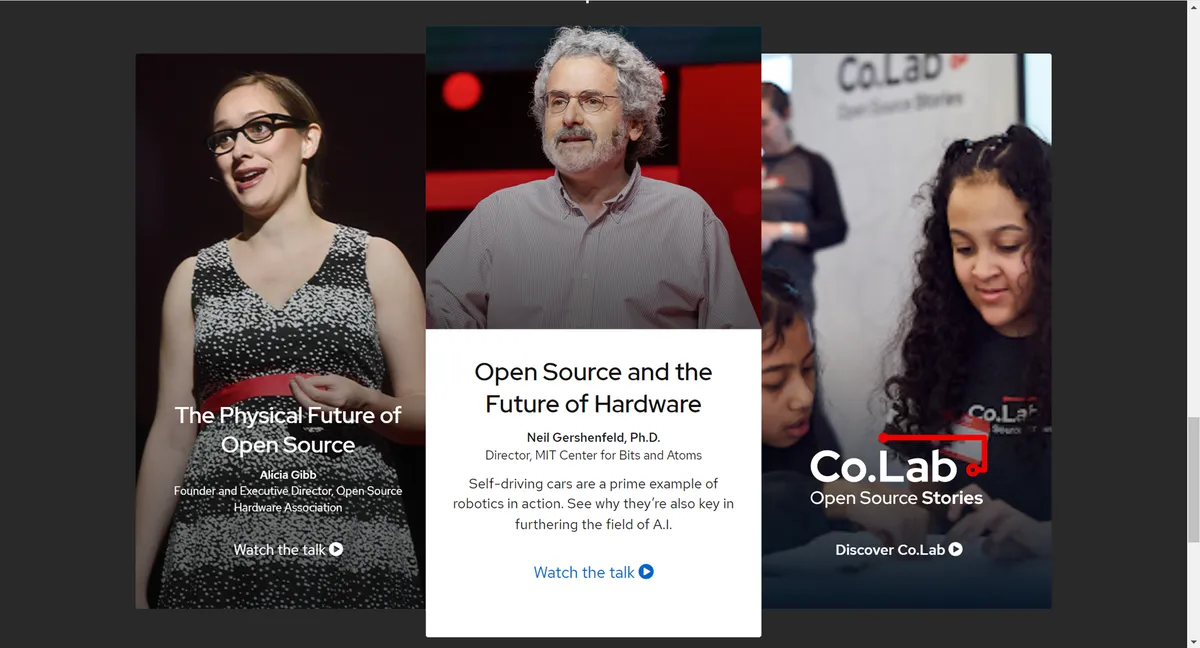
This organization was co-founded by a group of engineers, designers and educators who have long been active in open source communities, and its core members includeAlicia Gibb, Windell Oskay, Nathan Seidle and others.
Their mission is: to formulate clear definitions, standards and certification systems for open source hardware, so that "openness" is no longer just a slogan.
Following extensive discussions and international collaboration, OSHWA released the Open Source Hardware Definition 1.0 in 2013.
This document has become a globally recognized guiding text for open source hardware, regarded as the "charter of open source hardware".
Definition 1.0 clearly sets forth the core principles that open source hardware must follow, including:
- Disclosure of Design Materials: Complete materials sufficient to reproduce the physical product must be made public, including schematics, PCB, BOM, firmware, software, etc.
- Freedom of Use and Redistribution: Anyone is free to use, copy, manufacture, modify, and distribute hardware designs and their physical implementations.
- Derived Sharing: Any improved version based on the original design must be released under the same or a compatible license.
- Non-discriminatory No restrictions may be imposed based on domain, user, or purpose.
- Accessibility: Documents shall be in common, open formats so that anyone can view and use them without requiring proprietary software.
This definition is not merely a technical document, but also a manifesto of values —
The goal of open source hardware is to enable creativity in the physical world to flow as freely as it does in the software world.
Since then, OSHWA has become the global core hub for open source hardware.
It has established the project certification system (Open Source Hardware Certification), promoted the annual "Open Hardware Summit", and established cooperation with institutions such as CERN, TAPR and RISC-V Foundation to jointly advance the development of open standards.
Through the efforts of OSHWA, open source hardware is no longer just a scattered concept, but has become a global movement with a legal framework, ethical standards and social recognition. Whether it is Arduino and Raspberry Pi expansion boards in educational projects, scientific research instruments, or industrial control systems, all can obtain a legitimate and proper "open source identity" under this framework.
As OSHWA founder Alicia Gibb put it:
"We are not manufacturing equipment; we are reshaping the way innovation happens. "
This marks the official entry of open-source hardware into a mature stage — evolving from spontaneous experiments and grassroots initiatives into an international collaborative system with unified standards, established regulations and shared beliefs.
2.2.6 Open Source Hardware Ecosystem Expansion
After more than two decades of evolution, open source hardware has grown from the ideal of "shareable designs" into a complete system covering design, licensing, manufacturing and toolchains. If OpenCores, TAPR, CERN, RISC-V and OSHWA are the five cornerstones, then after entering the 2020s, open source hardware has ushered in a true "ecosystem era" — where concepts have been implemented into systems and collaboration has expanded into an industry.
(I) Open Process: SkyWater 130nm Opens the Door to Manufacturing
For a long time, while chip design can be open-source, the "manufacturing" segment has long been constrained by the high cost of tapeout and the closed foundry system. In 2020, Google, together with US-based SkyWater Technology and the open-source chip platform efabless, launched the SkyWater 130nm Open Process Development Kit (Open PDK), which for the first time made manufacturing process files and tapeout services freely available to developers worldwide.
This initiative is of extraordinary significance: it enables individual researchers, small teams, and even university laboratories to realize the complete "from design to silicon" closed loop without huge capital investment. Google covers the manufacturing costs in the project, efabless provides an open design collaboration platform, and SkyWater opens its process documentation and standard cell libraries. The three parties work together to break the closed barriers of chip manufacturing.This marks not only the first breakthrough of the hardware "open source" concept at the manufacturing level, but also sets a replicable example for the open source chip industry, driving the development of subsequent more advanced open processes such as 90nm and 65nm.
(II) Global Collaboration: RISC-V Becomes the Common Language of Open Architectures
In the global chip ecosystem, RISC-V is not only an open-source instruction set architecture, but has also evolved into a language system for open collaboration. With the establishment of RISC-V International and the global transformation of its governance structure, the innovation model of open-source chips has evolved from academic laboratories to a globally coordinated standard. Universities, enterprises and research institutions from dozens of countries jointly participate in standard formulation, testing and verification, forming an industrial alliance spanning design houses, EDA tool vendors and foundries.The globalization of RISC-V marks a new industrial paradigm: intellectual property is no longer locked down by a single enterprise, but rather shared and co-developed through open standards. This enables chip designers to carry out innovation within a verifiable, scalable and licensable open system, and also empowers open source hardware to gain a truly global industrial scale for the first time.
(III) Open Toolchain: KiCad and OpenLane Integrated to Unify Design Infrastructure
If the open process addresses the question of "whether manufacturing is feasible", then the open toolchain solves the problem of "whether design is possible". Early hardware design was highly dependent on commercial EDA software (such as Cadence and Synopsys), which came with high licensing fees and closed workflows. Today, however, the open-source EDA toolchains represented by KiCad, Yosys, Magic, OpenLane are rapidly maturing, covering the full workflow from circuit design, logic synthesis, layout and routing to tapeout verification.Among them, KiCad has become one of the world's most mainstream open-source circuit design platforms, and is widely used by organizations such as CERN;OpenLane integrates tools including Yosys, OpenROAD, and Magic to realize one-click fully automated design from RTL to GDSII, enabling individuals or small teams to complete ASIC design tasks that used to be affordable only for large enterprises. This means that the threshold for hardware innovation has been systematically lowered — the entire chain, from architecture to manufacturing, features open, verifiable and reproducible properties.
(IV) Moving Towards an Open and Innovative Ecosystem
When open standards, open manufacturing processes, and open toolchains converge, the open-source hardware ecosystem truly forms a self-evolving closed loop. Educational institutions leverage open-source platforms to cultivate students' system design capabilities; startups rapidly validate their products through shared designs; and large vendors also facilitate heterogeneous chip collaboration with the help of open standards. The driving force for innovation no longer stems from closed competition, but from cross-regional and cross-domain co-creation.
Today, from SkyWater tapeout to RISC-V processors, from KiCad schematics to the OpenLane toolchain, every link of open source hardware is being connected, reconstructed and co-built. This marks that open source hardware has officially entered the stage of "open innovation ecosystem" — it is not only an engineering mode, but also a new form of industrial civilization: knowledge sharing, resource co-creation and value symbiosis.
3. The Maker Movement – Everyone Is a Maker
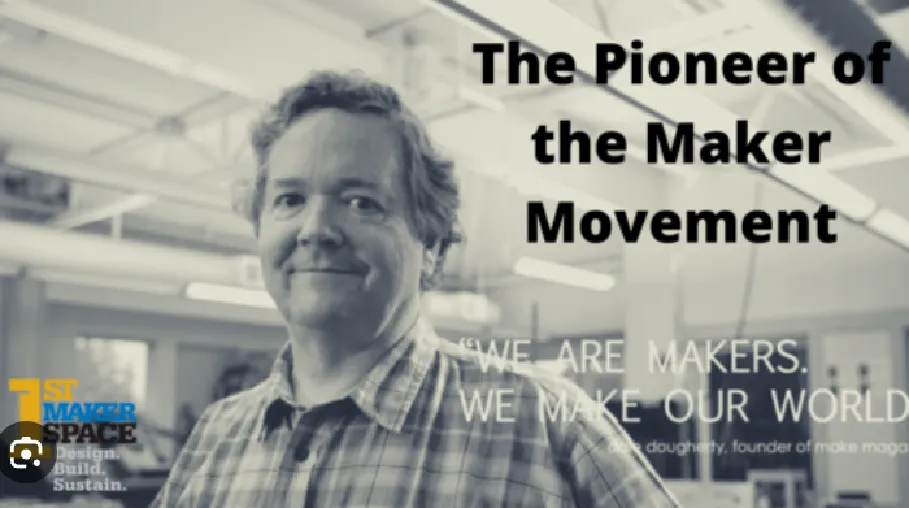
As Dale Dougherty, a pioneer of the maker movement, put it: "Everyone is a maker. You just need to find a way to bring your creativity to life. "
3.1 Technology Should Not Be Locked in the Laboratory
In 1995, Silicon Valley, US. A young electronics engineer was debugging a microprocessor in the lab, and the device in his hand was worth tens of thousands of dollars. Meanwhile, thousands of kilometers away in an ordinary family's home, a middle school student was holding his father's old radio, trying to take it apart for research, only to find that there was simply no way to learn how to do it.
Technological advancement has never been a problem in itself; the real question is — who gets to master it?
In the 1990s, computer and electronic technologies, as well as the Internet, flourished, but most of them were in the hands of laboratories, enterprises and a small number of professional engineers. It was very difficult for ordinary people to get access to advanced electronic devices, let alone create things on their own.

However, as we entered the 21st century, a new movement has been quietly emerging. The Maker Movement has broken down this barrier, enabling ordinary people to participate in scientific and technological innovation. Its core belief is simple:"Everyone is a creator".
3.2 Origin of the Term "Maker"
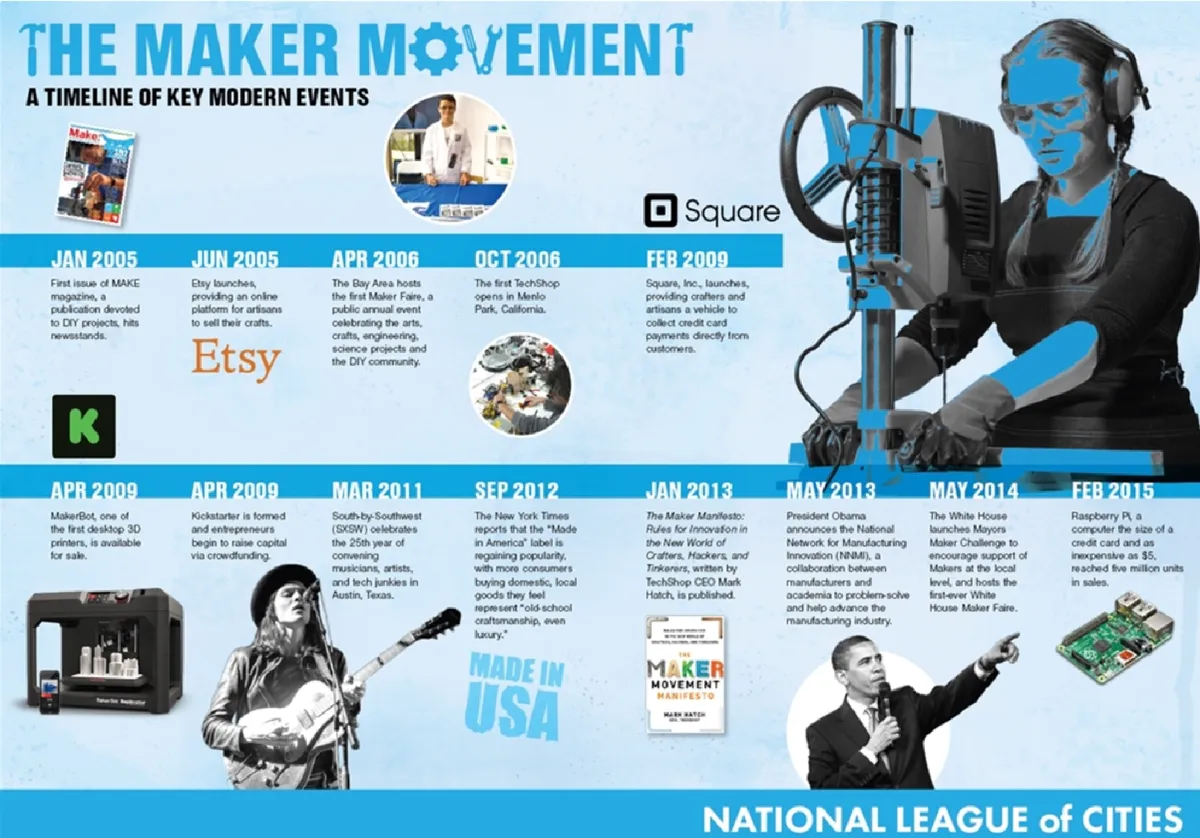
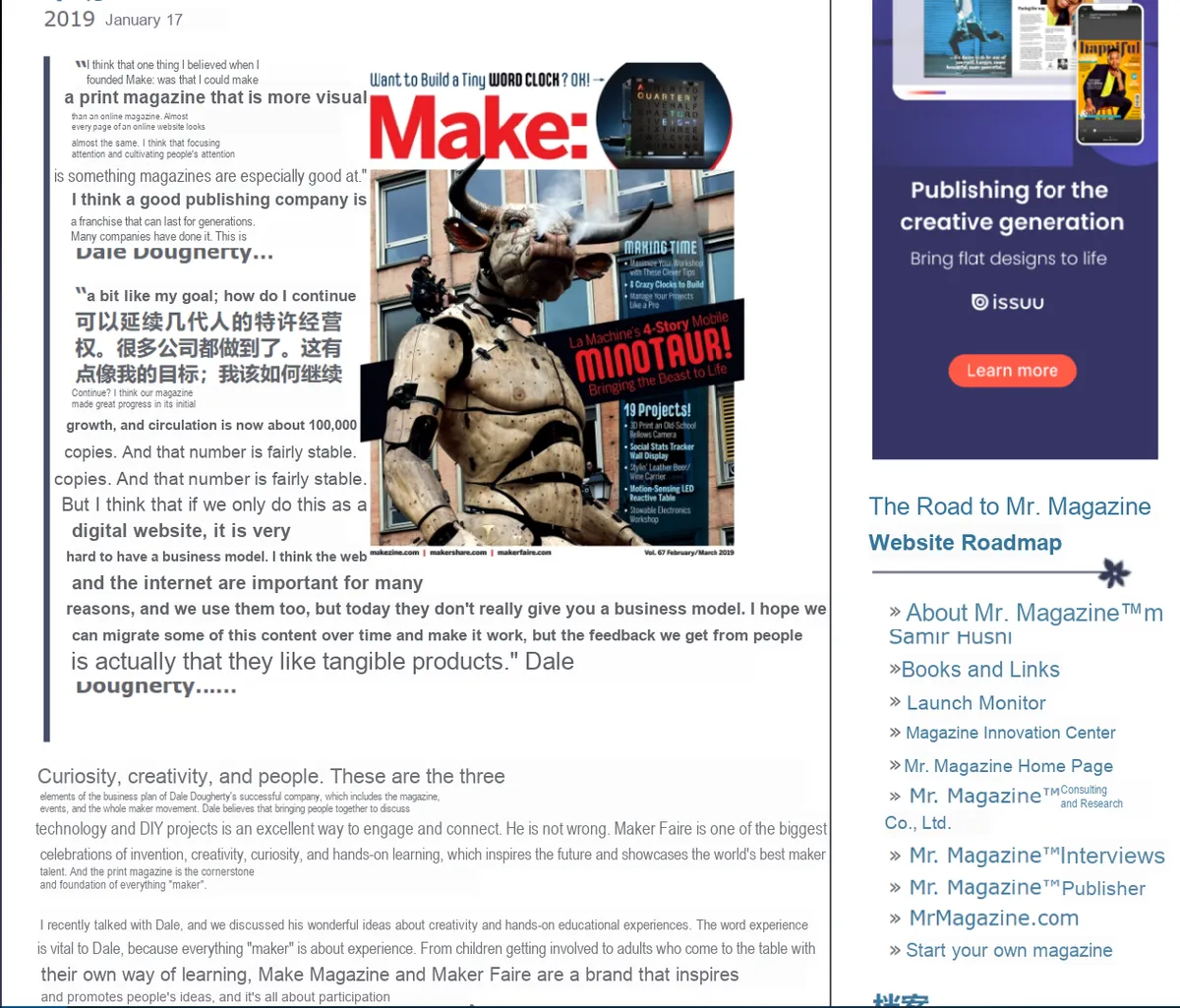
In 2005, Dale Dougherty founded the magazine 《Make》, which focuses on introducing DIY projects and maker culture. This magazine quickly gained popularity in the global maker community and became an iconic media outlet for maker culture.
In the magazine Make, the term "Maker" was first coined to describe people who are passionate about building all kinds of devices, electronic products, art installations and even robots on their own. These makers are not necessarily professional engineers or designers; instead, driven by interest, curiosity and the desire to create, they turn their ideas into reality using various tools and materials.
The maker spirit is far more than just a slogan; it embodies three core concepts:
- Openness and Sharing — Knowledge should be freely disseminated rather than monopolized by a handful of companies.
- Collaboration and Innovation — Through open source and cooperation, everyone can contribute their ideas.
- Practice First — Hands-on experience matters more than empty theorizing, and failure is an inherent part of learning.
They truly embody the saying: "Everyone is a maker. You just need to find a way to unleash your creativity. " They are the ones who are not content with merely using technology, but instead want to take it apart, modify it, and even create something new themselves.
3.3 The Rise of the Maker Movement
The widespread proliferation of the Maker Movement did not happen overnight, and its rise is closely linked to several key events.
- In 2005, Arduino was released — it made electronic development easy to learn and become the top choice for makers.
- In 2006, the magazine Make (Make:) was first launched — it was the first to put forward the concept of "maker" and promote the spirit of DIY.
- In 2006, the first Maker Faire was held in the US — a platform for makers to showcase their works and exchange ideas.
- In 2007, the RepRap project was launched — it promoted the popularization of 3D printing technology and made personal manufacturing possible.
- In 2010, the global Fab Lab network expanded – fabrication labs spread across the world, providing makers with digital fabrication tools and community support.
2005: Arduino was launched (Ivrea Institute of Design, Italy)
- Enables low-threshold electronic development in the form of open-source hardware.
- Popularizes the teaching and experimental platform of "open schematic + open firmware".
2005: The RepRap Project was launched (University of Bath, United Kingdom)
- Objective: To develop a 3D printer capable of self-replication;
- Fully open-source → Spurred the global desktop 3D printing industry.
2006–2009: Expansion of the Fab Lab Network (Promoted by the MIT Center)
- Small-scale digital fabrication labs were established worldwide.
- The concept of "fabrication for everyone" was spread.
2011: Globalization of Maker Faire
- Large-scale maker fairs were successively held in the US, Europe and China;
- maker culture became a new form of innovation education and industrial incubation.
Post-2013: Combination of open-source hardware and maker education
- Popularization of educational development boards such as Raspberry Pi and Micro: bit;
- Integration of Makerspaces into the school system.
2015–Present: Industrialization and STEAM Integration
- The rise of maker education, AIoT innovation workshops, and open-source robotics platforms;
- "Open collaboration" has become the common language for education and manufacturing.
3.3.1 The Birth of Arduino: Making Electronic Development Accessible to All
The story begins with a teaching challenge: In the early 2000s, the Ivrea Interaction Design Institute in Italy was teaching students how to integrate electronic technology into their design works. However, they encountered a practical problem: at that time, microcontroller development boards were not only expensive but also difficult to program, with a steep learning curve. Traditional development platforms such as the BASIC Stamp cost more than 100 US dollars per board, which was a considerable burden for students, and the programming environment was not user-friendly either.
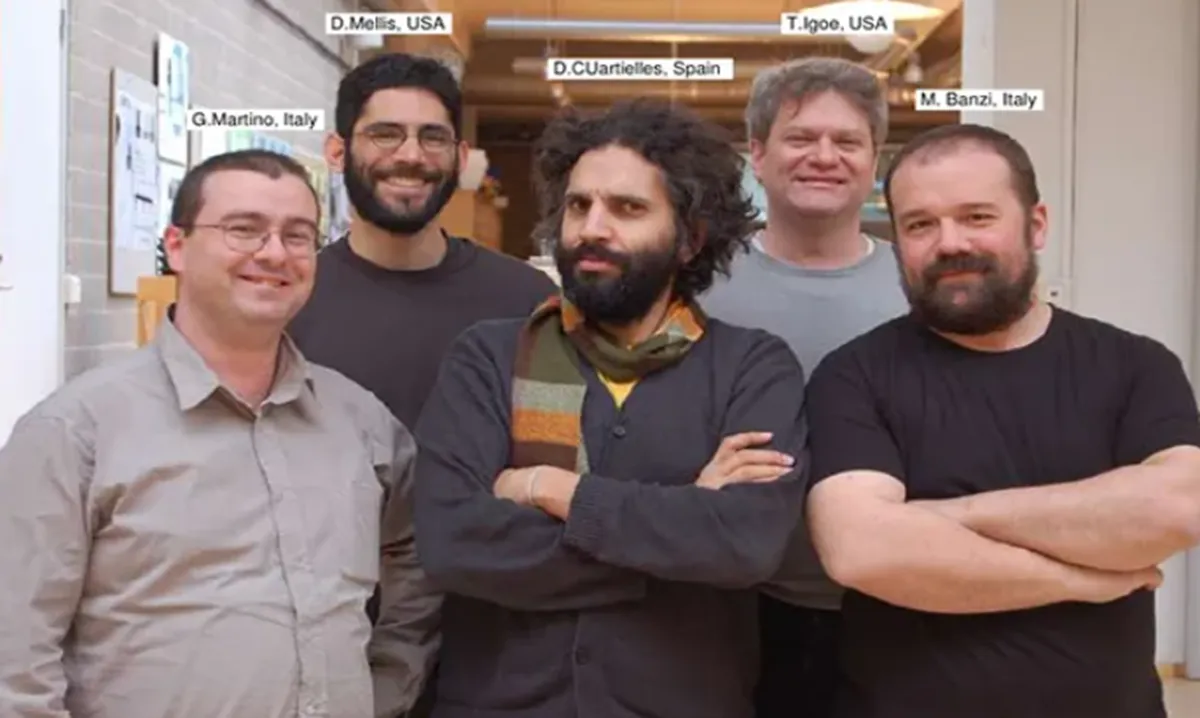
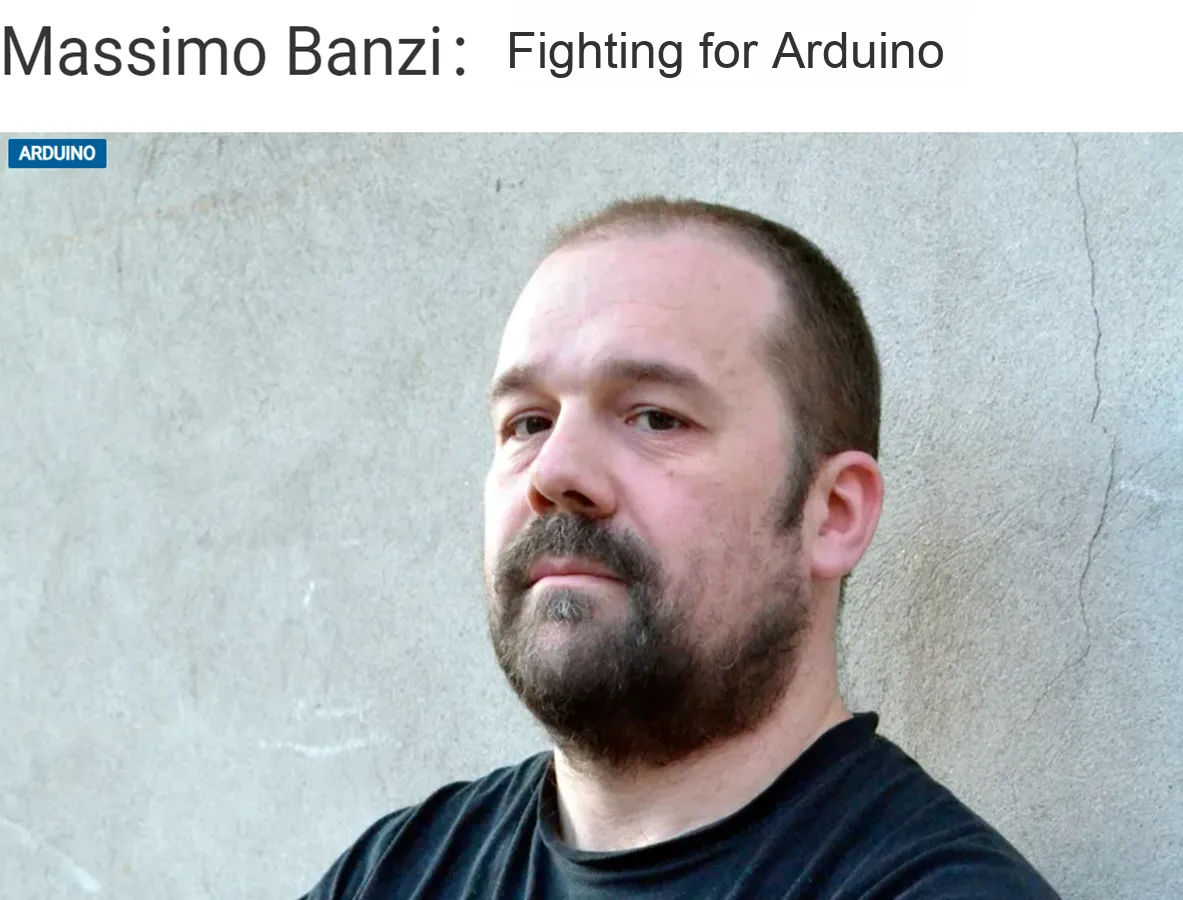
To help students learn electronic technology more effectively, Massimo Banzi, David Mellis, and several other engineers and designers collaborated to develop a brand-new microcontroller development platform — Arduino. They aimed to create an easy-to-use and low-cost microcontroller platform for artists, designers, and beginners.
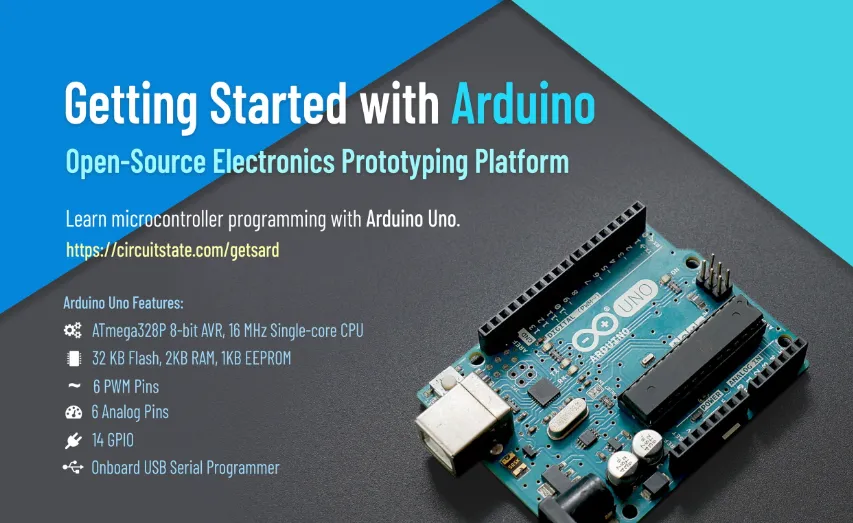
In 2005, the first Arduino board was launched, which was based on Atmel's AVR microcontroller, and the user-friendly Integrated Development Environment (Arduino IDE) was also released. The birth of Arduino not only solved the problems of high cost and complex programming, but also made electronic development accessible to all.
Both the hardware and software of Arduino are open-source, allowing anyone to view, modify and share their designs. Arduino quickly gained popularity across the global maker community, becoming the go-to platform for education, prototyping and DIY projects.
3.3.2 Maker Faire —— The "Tech Carnival" for Makers
In the early 2000s, the world of technology was quietly shifting. More and more ordinary people gained access to affordable computers, open-source hardware, and a wealth of DIY tutorials. People were no longer content with merely using tech products; they wanted to create things with their own hands. But back then, there was still no large-scale platform truly dedicated to hands-on enthusiasts.
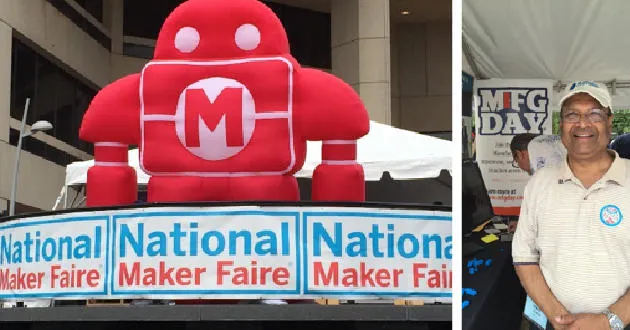
In 2006, US magazine *Make* did something crazy yet wonderful: they launched the first Maker Faire in the San Francisco Bay Area — a grand event for all hands-on creators. It was neither a professional exhibition nor an academic conference, but a genuine tech carnival. Whether you are an engineer, an artist, or just an ordinary person interested in hands-on making, you can bring your works here to share as long as you have something to show.
That year’s Maker Faire was a dazzling, bustling extravaganza. At this exhibition brimming with whimsical ideas, you could witness all sorts of incredible inventions: someone had built an automatic pizza-baking robot with Arduino, spinning a steaming crust in front of the fire; another had modified a smart coffee machine with a Raspberry Pi, which could brew coffee of different flavors with just a simple command; yet another had completely tricked out a bicycle so that it would shoot dazzling flames at night, and every press of the pedals ignited gasps and cheers from the crowd around.
And at the 2011 Maker Faire in New York, there was a scene that no one who witnessed it could ever forget. A 12-year-old boy showed up at the exhibition venue, carrying his "cardboard vending machine". He had no expensive parts or sophisticated equipment, and only used simple cardboard and an Arduino control board to build a fully functional vending system. Coin insertion, product dispensing and change making were all designed, programmed and fabricated by himself.
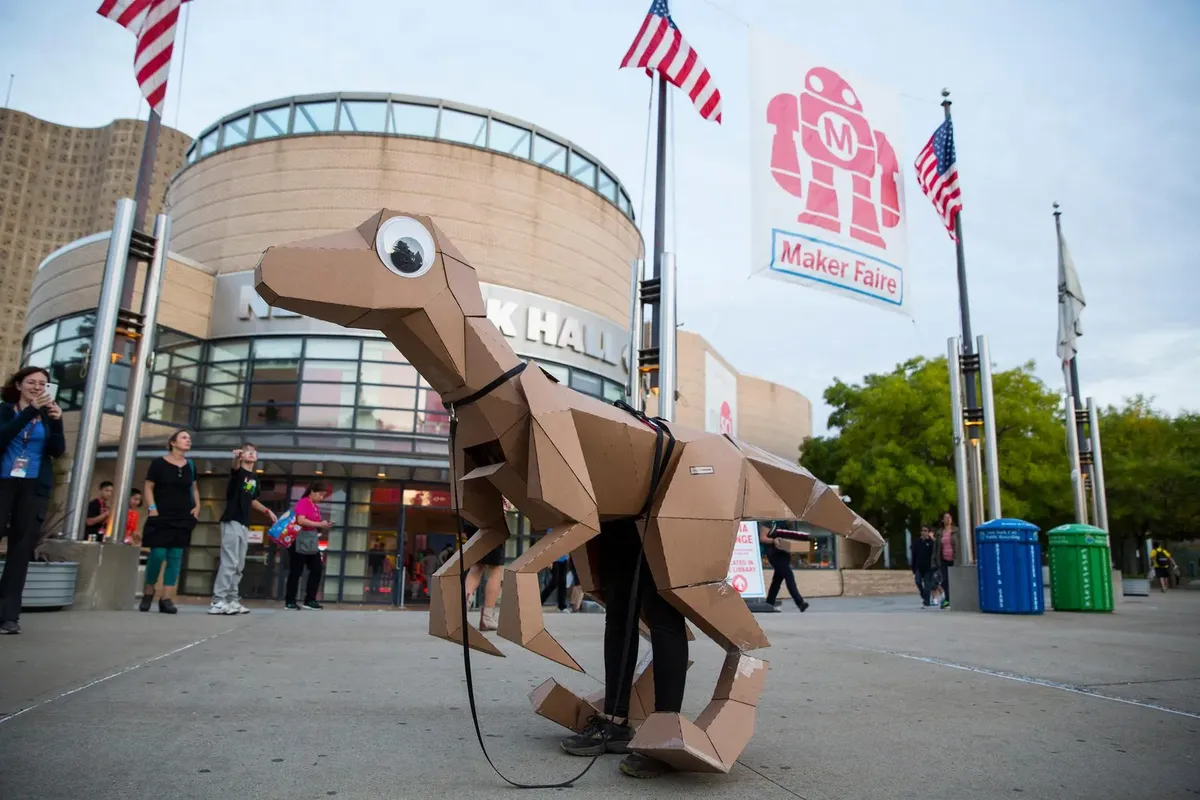
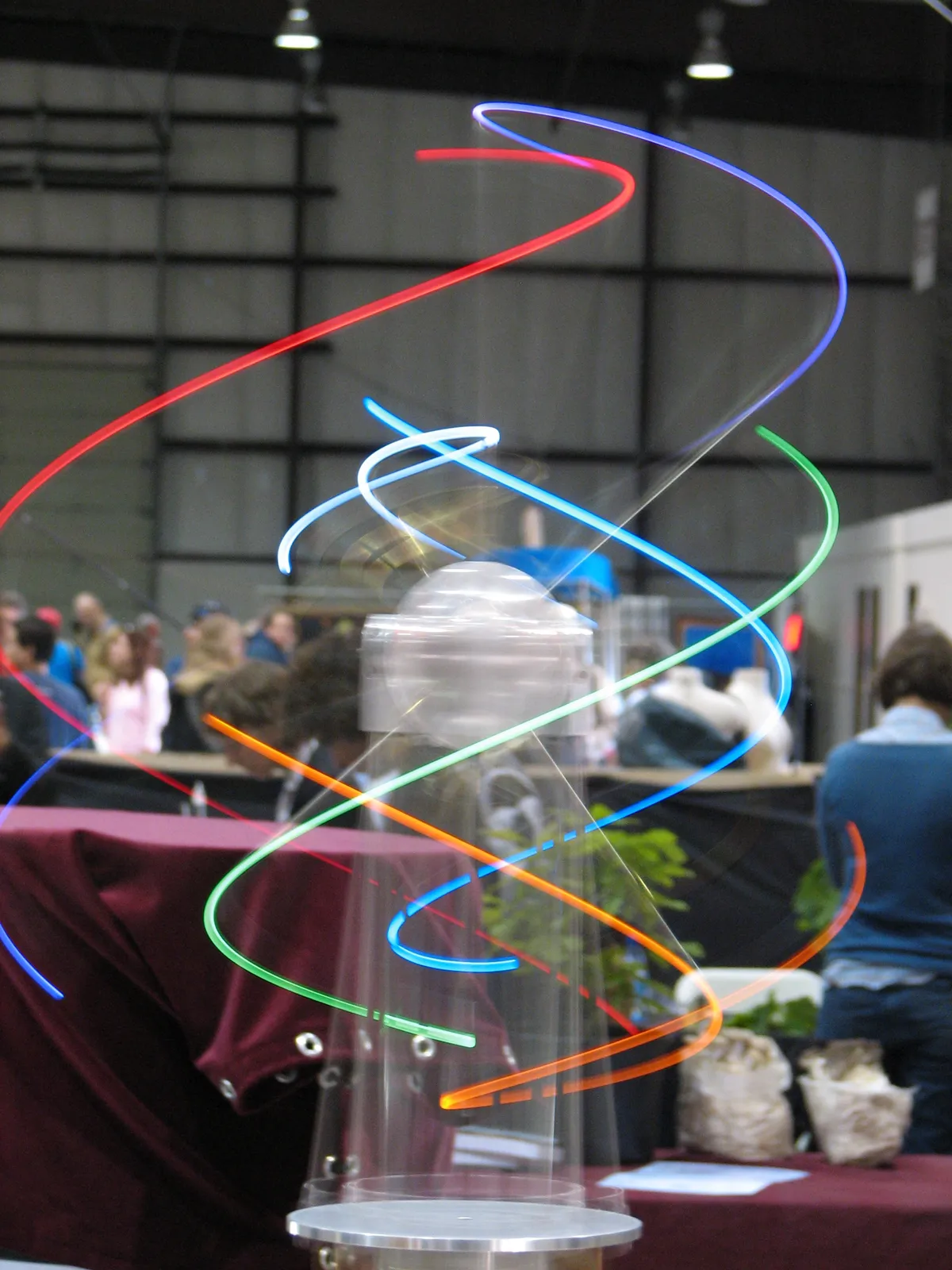
The audience gathered around his booth, curiously watching the simple machine operate. When someone put a coin into the cardboard slot, the internal mechanical structure quietly started, and the small sensor received a signal. The motor vibrated slightly, and a product was pushed out along the slide. Every action was imperfect, but carried an irreplaceable sense of reality. People were amazed and smiled, as if they saw childhood dreams and future hopes on this simple machine.
This cardboard vending machine became the star of that year's Maker Faire. More importantly, it reminded everyone that creativity is not the exclusive preserve of engineers, nor does the spirit of hands-on making belong to any specific group. As long as you have an idea and the passion to pursue it, even with the simplest materials and nothing more than a pair of small hands, you can turn your imagination into reality — the spirit of hands-on creation does not belong solely to engineers, but to all people with ideas and creativity.
Since then, Maker Faire has gradually taken root and sprouted across the globe. Each edition of the event is a grand feast that transcends boundaries of age, expertise and national borders. Whether you are a child, a student, a hobbyist, an entrepreneur or a scientist, everyone can find their own place here. Hands-on creation is not just about inventing novel things; it is a way for people to reconnect with the world, turning the passion and inspiration within into tangible reality bit by bit with the parts, code and materials in hand. — True creation does not require waiting for permission.As long as you are willing to take action, you can change a corner of the world.
3.3.3 RepRap —— Enabling 3D Printers to Self-Replicate
In the mid-2000s, 3D printing was still an expensive and closed industrial technology that was barely accessible to ordinary people. At that time, Adrian Bowyer from the University of Bath in the United Kingdom was pondering a simple yet radical question:
"If a 3D printer can print its own parts, does that mean everyone can have their own manufacturing tool? "
This concept sounds like something out of a science fiction novel. But Bower believes that the power to create should not be held solely by large corporations; instead, it should belong to every person who has ideas and creativity.
In 2007, Bowyer and his students launched the first prototype — RepRap (Replicating Rapid Prototyper), a one-of-a-kind 3D printer: it can not only print ordinary items, but also print most of the parts that make up its own body. Although core components such as motors and control boards still need to be purchased externally, RepRap can already print more than 50% of its own structural parts, marking the first time in human history that a machine with partial self-replication capabilities has emerged.
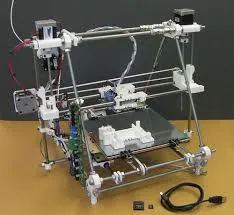
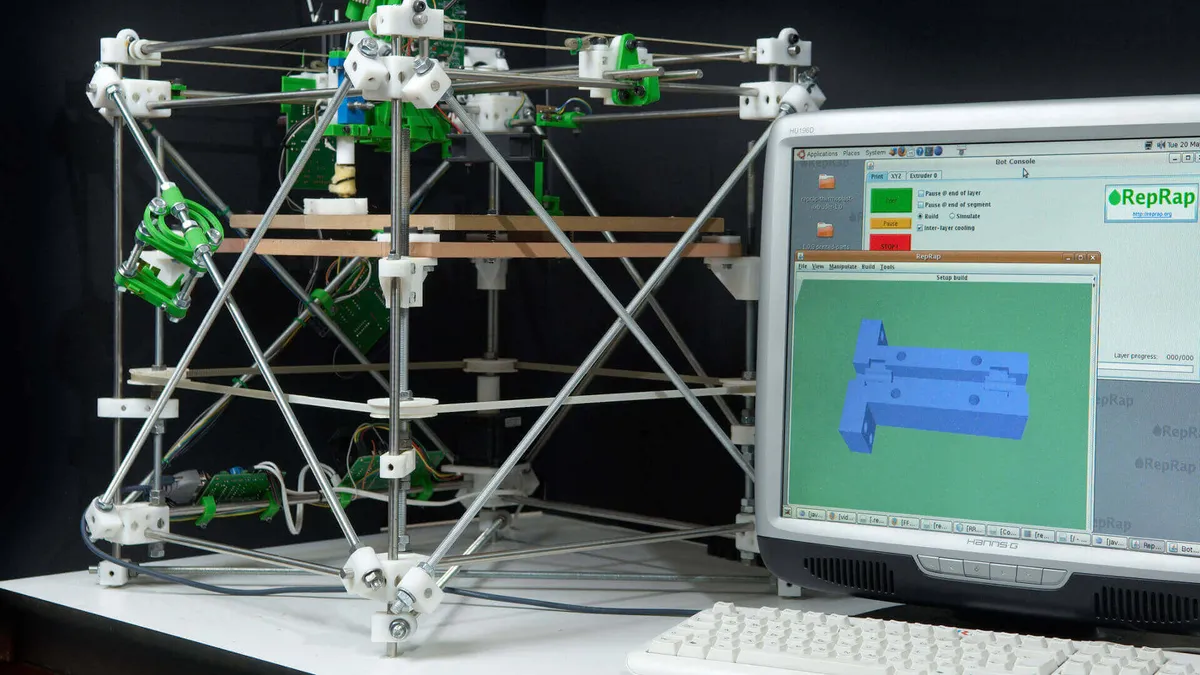
What is even more striking is that instead of patenting his invention or keeping the source code closed, Adrian Bowyer chose to open-source the RepRap project. Anyone can download the design drawings for free, assemble the machine on their own, and also modify and re-share the design as needed.
As a result, makers, engineers and enthusiasts from all over the world have joined this experiment one after another. Some improved the nozzles, others optimized the structure, and still others modified RepRap into versions that are larger, faster, and compatible with more materials. .. In the RepRap community, the birth of every new machine is not just replication, but also an evolution. This movement has greatly lowered the threshold for 3D printing. Since then, more and more people have owned their own printers, the DIY culture has flourished, and small-scale manufacturing innovation has become possible.
More importantly, RepRap made people truly believe for the first time that the era of personal fabrication is approaching. Today, many popular desktop 3D printer brands such as Prusa, Ultimaker, and LulzBot all bear the profound imprint left by the RepRap project in their design DNA.
RepRap is not merely a machine, but a philosophy — it brings manufacturing back to the individual, removes all barriers to innovation, and empowers every hands-on creator to become the builder of their own world.
3.3.4 Expansion of the Global Fab Lab Network — A Manufacturing Hub for Makers Worldwide
The core spirit of the Maker Movement is "Do It Yourself (DIY)" and "Open Source Sharing (Open Source)".
In the early days of the maker movement, having a creative idea alone was not enough; makers also needed tools, space, and like-minded partners — and that is precisely the context in which Maker Spaces emerged. The earliest Maker Spaces did not originate from prestigious universities or corporate research labs, but rather were small workshops spontaneously set up by a group of tech-loving, hands-on enthusiasts in garages, abandoned warehouses, and even community centers. They did not have fancy equipment, but they had the drive to "build the future with their own hands. "
In 2007, in an abandoned warehouse in Brooklyn, New York, a group of makers founded NYC Resistor — which has become a key representative of modern makerspaces. The space brings together electronics enthusiasts, artists, programmers and engineers, who learn electronic technology together, repurpose old equipment, and freely explore all kinds of creative projects.
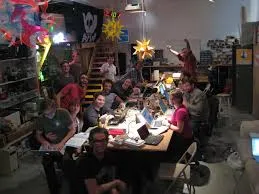
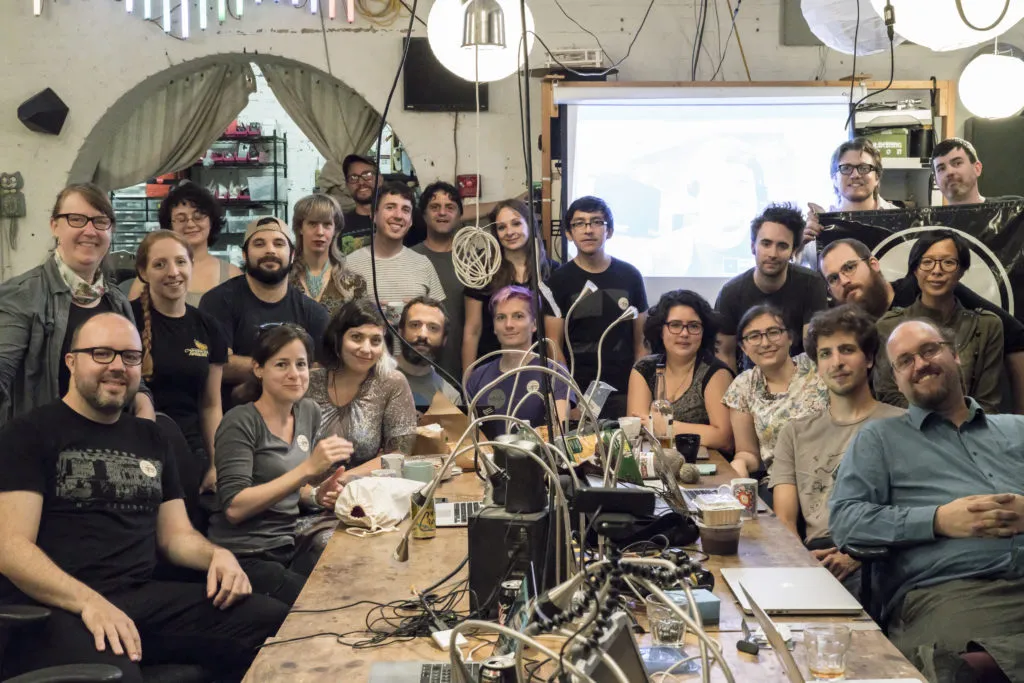
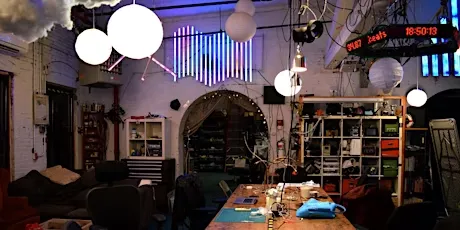
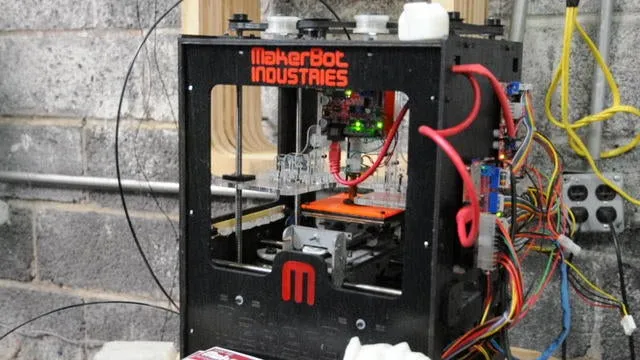
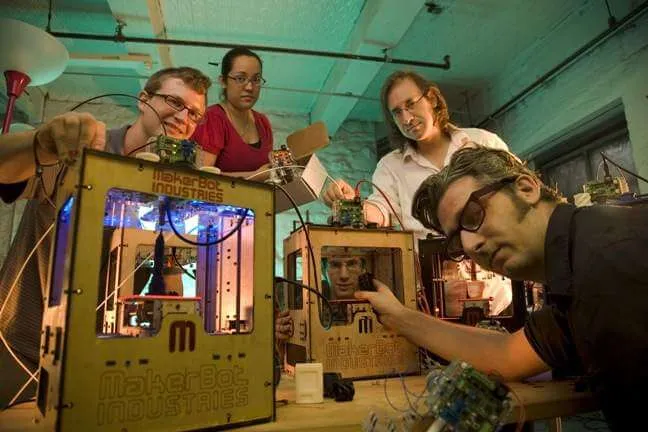
At NYC Resistor, an artist named Bre Pettis was inspired by the concept of digital fabrication. Together with his friends, he designed an open-source, low-cost, easy-to-assemble desktop 3D printer — MakerBot. Officially launched in 2009, MakerBot sparked the desktop 3D printing revolution and turned the dream of "making for everyone" into a reality.The story of NYC Resistor shows that a makerspace is not merely a physical workplace, but also a community that brings together creativity and sparks innovation.
At the same time, a more systematic and globalized model of makerspaces is also gradually taking shape. Back in 1998, Neil Gershenfeld, a physicist at the Massachusetts Institute of Technology (MIT) Media Lab, launched a special course titled *How to Make (Almost) Anything*. The course proved extremely popular, as it marked the first time that ordinary people gained access to digital fabrication tools such as 3D printers, laser cutters, and CNC machine tools.
Accordingly, Gershenfeld put forward a bold proposition: "Why not set up a 'personal factory' for every single person? "
This idea soon evolved into the concept of **Fab Lab (Fabrication Laboratory)** — a digital fabrication lab.
Fab Lab is not merely a provider of equipment; it places greater emphasis on open-source sharing of knowledge. All Fab Labs follow the same standard tool list, with teaching materials and project outcomes open to the entire world, enabling anyone to learn, reuse, and collaborate.
Starting from MIT, the Fab Lab network has expanded rapidly and now boasts over 2,000 nodes worldwide. It has become a key platform for global maker education, technology popularization and innovation practice, and also provides solid support for the open-source hardware movement.
In China, the concept of Fab Lab is also gradually being implemented. Beijing Fablab was founded in 2016, located in Zhongguancun, focusing on design and manufacturing in the fields of hardware and art, and advocating knowledge sharing and exploration. In the private sector and industry, Shenzhen Chaihuo x.factory officially joined the Fab Lab global network in 2015, becoming the first certified node in Chinese mainland. They regularly hold events such as "Maker Marathon" and "Hardware Developer Festival", and are committed to promoting local hardware innovation to the international stage.
Through these Fab Labs, Chinese makers can not only gain access to advanced manufacturing tools, but also share knowledge, exchange projects and collaborate on innovations with makers from all over the world via the global network.
3.3.5 Combination of Open Source Hardware and Maker Education
- The popularization of educational development boards such as Raspberry Pi and Micro: bit;
- Makerspaces have been introduced into the school system.
3.3.6 Industrialization and STEAM Integration
- The rise of maker education, AIoT innovation workshops, and open-source robotics platforms;
- "Open collaboration" has become the common language for education and manufacturing.
3.4 "Maker Education": The Next Generation of Creators
The Maker Movement has not only transformed the way individuals create things, but also exerted a profound impact on education. A growing number of schools have begun to introduce maker courses, enabling students to learn interdisciplinary knowledge such as programming, electronics and mechanical design through hands-on practice.
In China, an increasing number of schools and universities have set up maker labs, such as the x-lab of Tsinghua University and Shenzhen's Chaihuo Maker Space.
In 2015, a group of high school students from Shenzhen Nanshan Middle School designed a smart curtain system using Arduino, which can automatically adjust its opening and closing according to indoor temperature and sunlight intensity. Their work won an award in the National Youth Maker Competition, attracted investment from a technology company, and was eventually transformed into a commercial product.
This is precisely the best embodiment of the maker spirit —
Making is not just a hobby; it is becoming an incubator for scientific and technological innovation.
Fab Lab democratizes fabrication, Arduino lowers the barrier to electronic development, and RepRap drives the popularization of 3D printing. What they have in common is that all designs are open source, and anyone can freely access, modify, fabricate and share them.
4. Arduino —— An Open Source Ecosystem That Enables Beginners to Get Started Easily
Up to now, Arduino has developed into a huge and complete ecosystem.
It is not just a development board; it is an ecosystem:(including the development board, IDE (Integrated Development Environment) community, driver libraries, application cases, and so on.)
4.1 Development Board
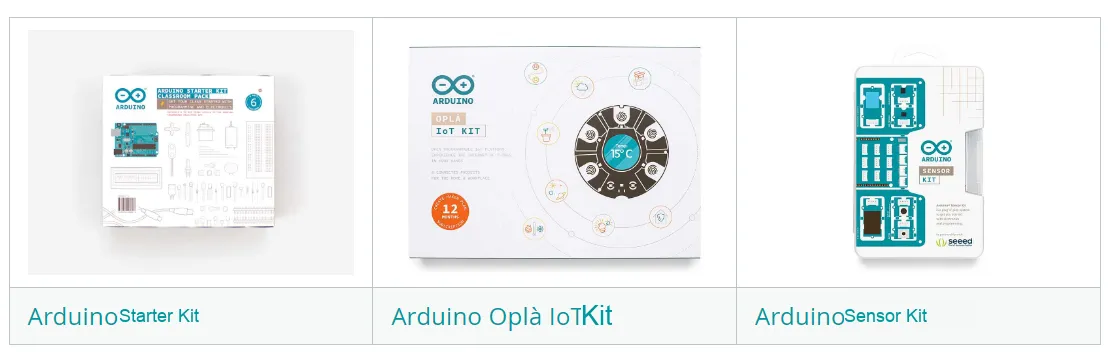
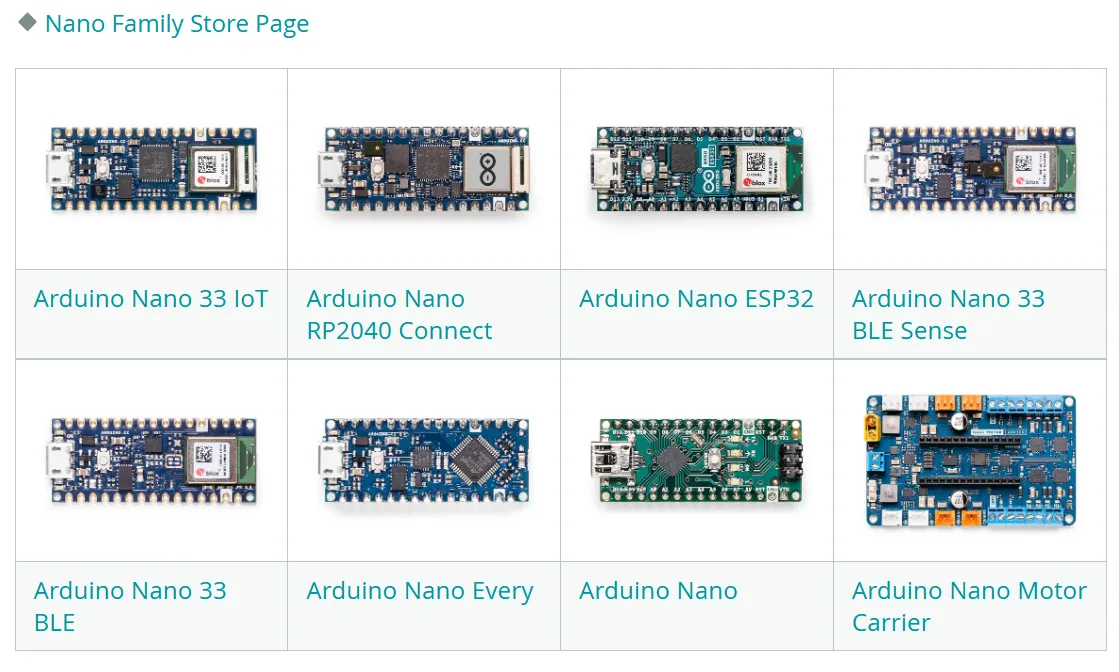
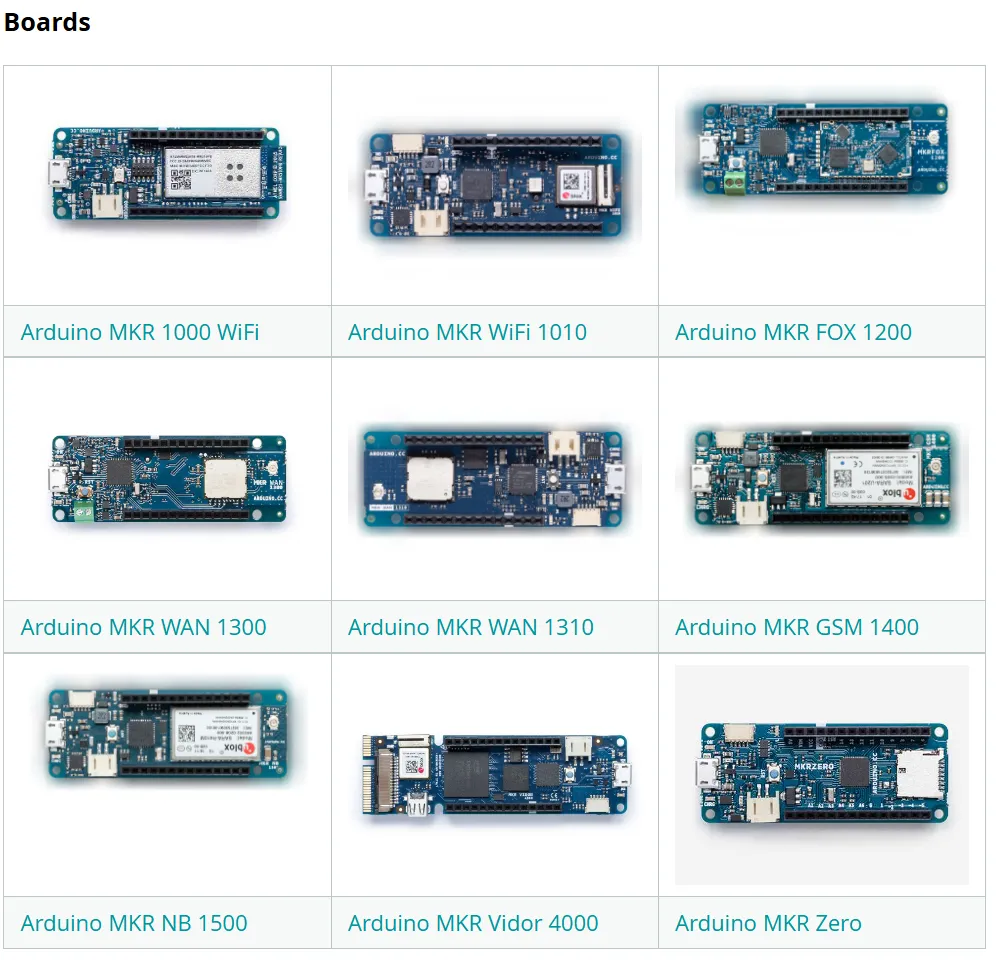
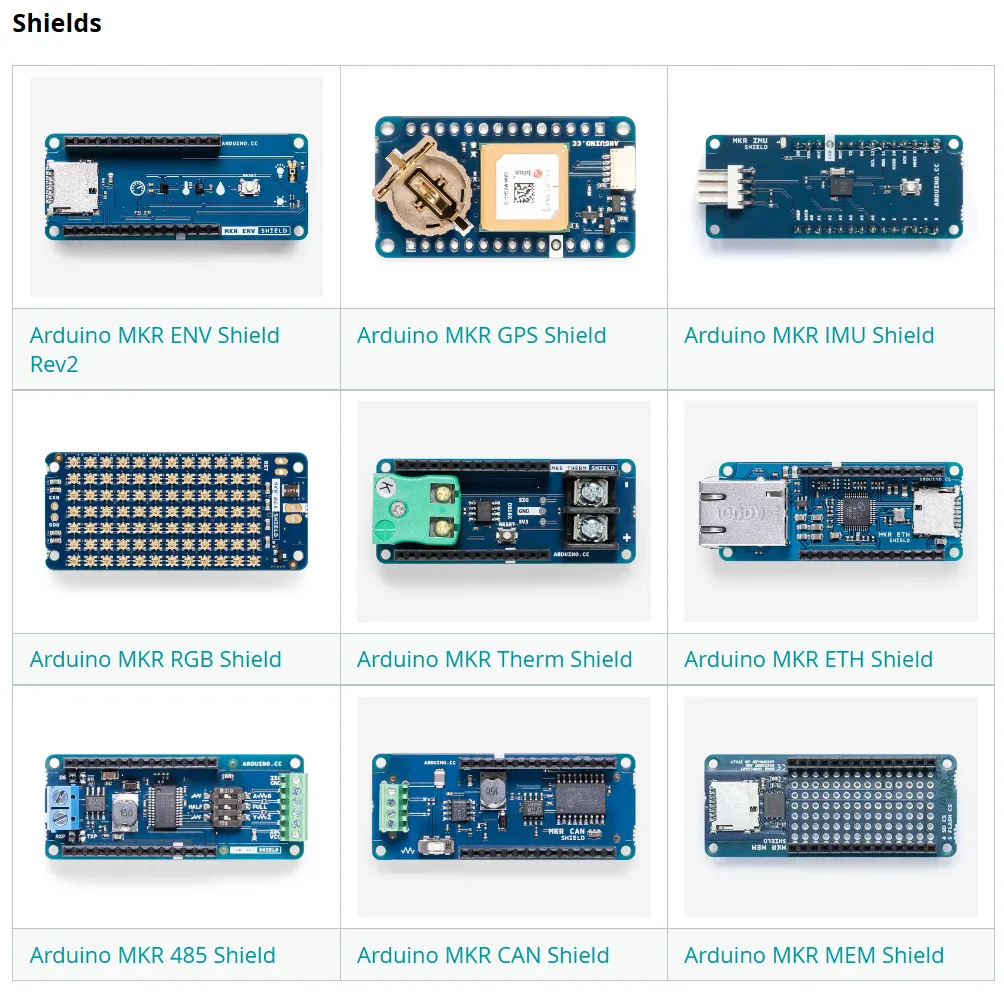
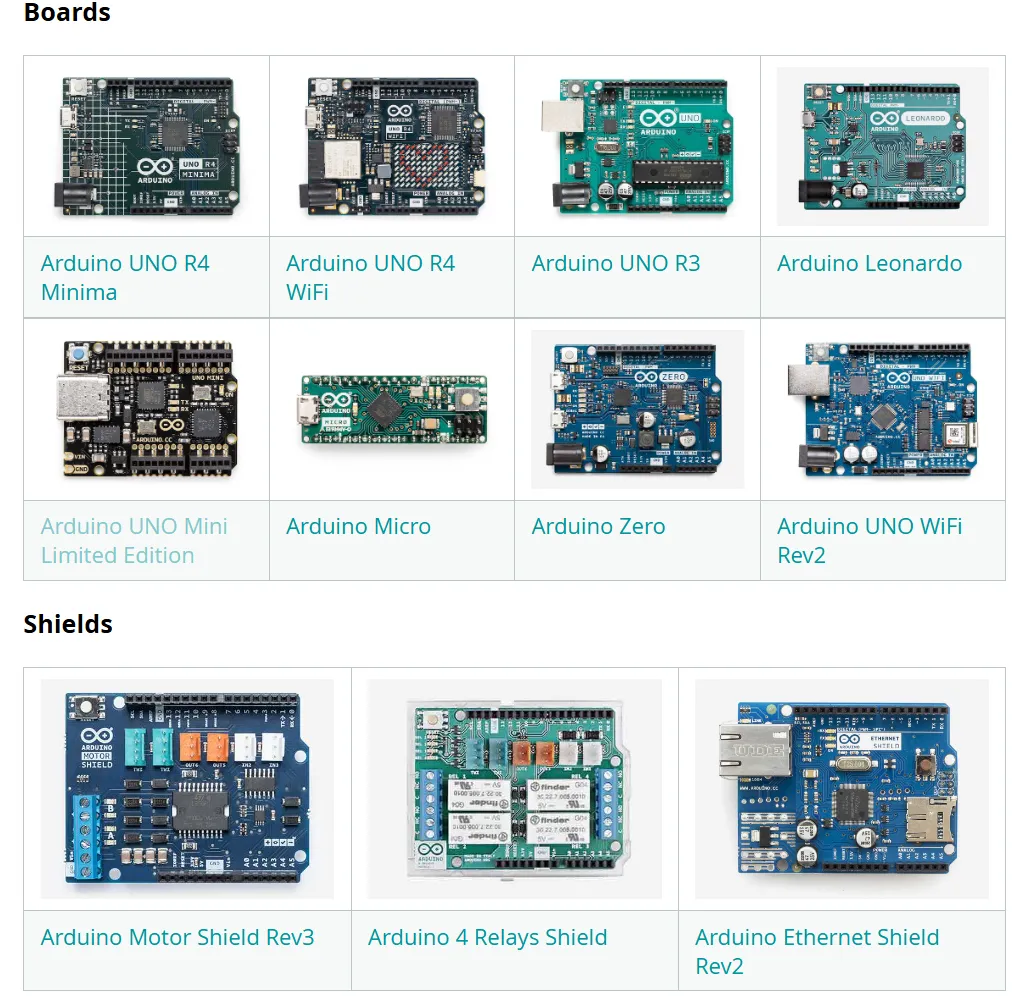
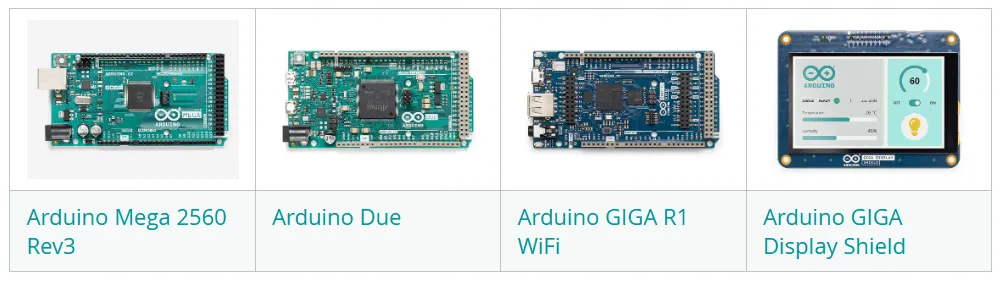
Over the years, Arduino has released more than 100 hardware products, including development boards, expansion boards, carrier boards, kits and other accessories.
4.1.1 Kit
4.1.2 Nano Family
4.1.3 MKR Family
4.1.4 Classic Family
4.1.5 Mega Family
4.2 IDE (Integrated Development Environment)
The Arduino IDE provides an easy-to-use programming interface that supports C/C++ language programming, yet simplifies many of the syntax rules to make programming more intuitive and efficient.
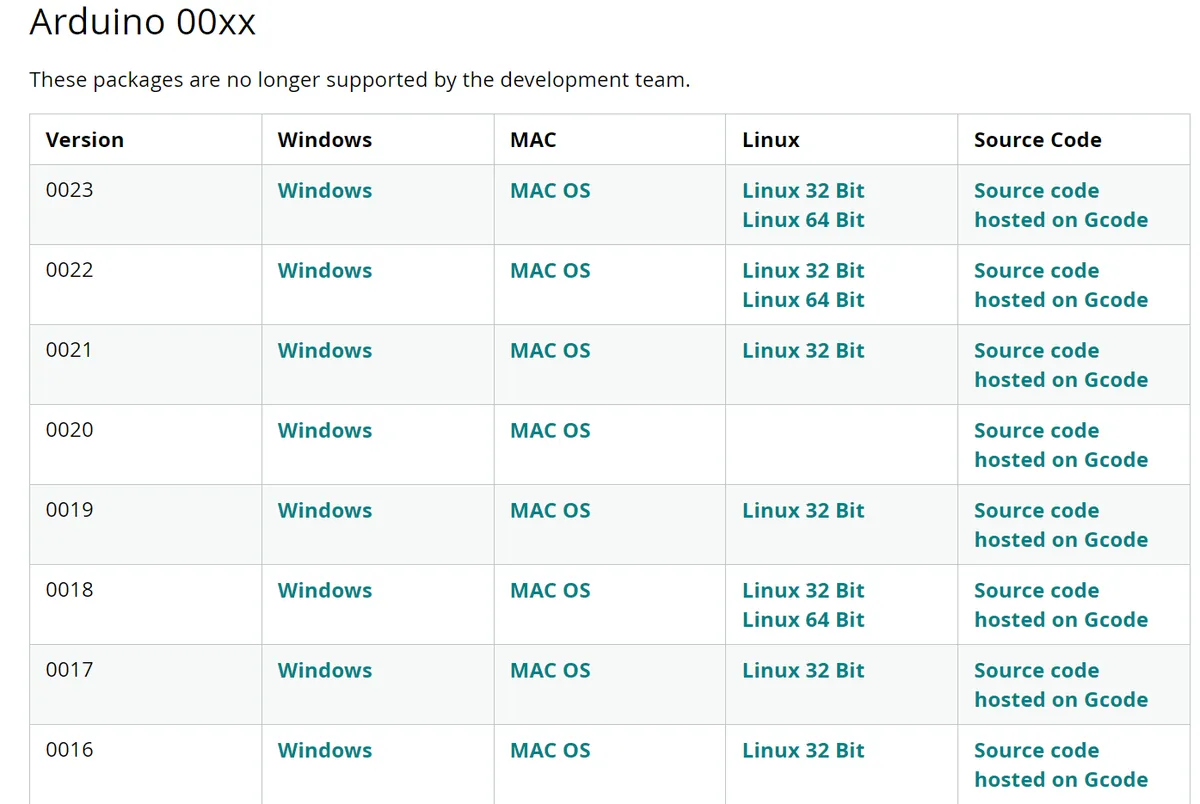
4.2.1 Arduino IDE .00XX
These software packages are no longer supported by the development team.
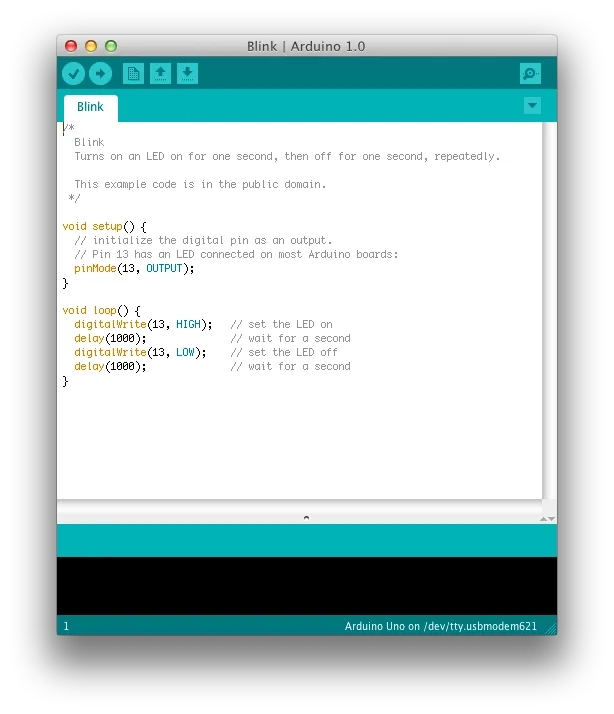
4.2.2 Arduino IDE 1.0
Showcase a concise User Interface and basic functions.
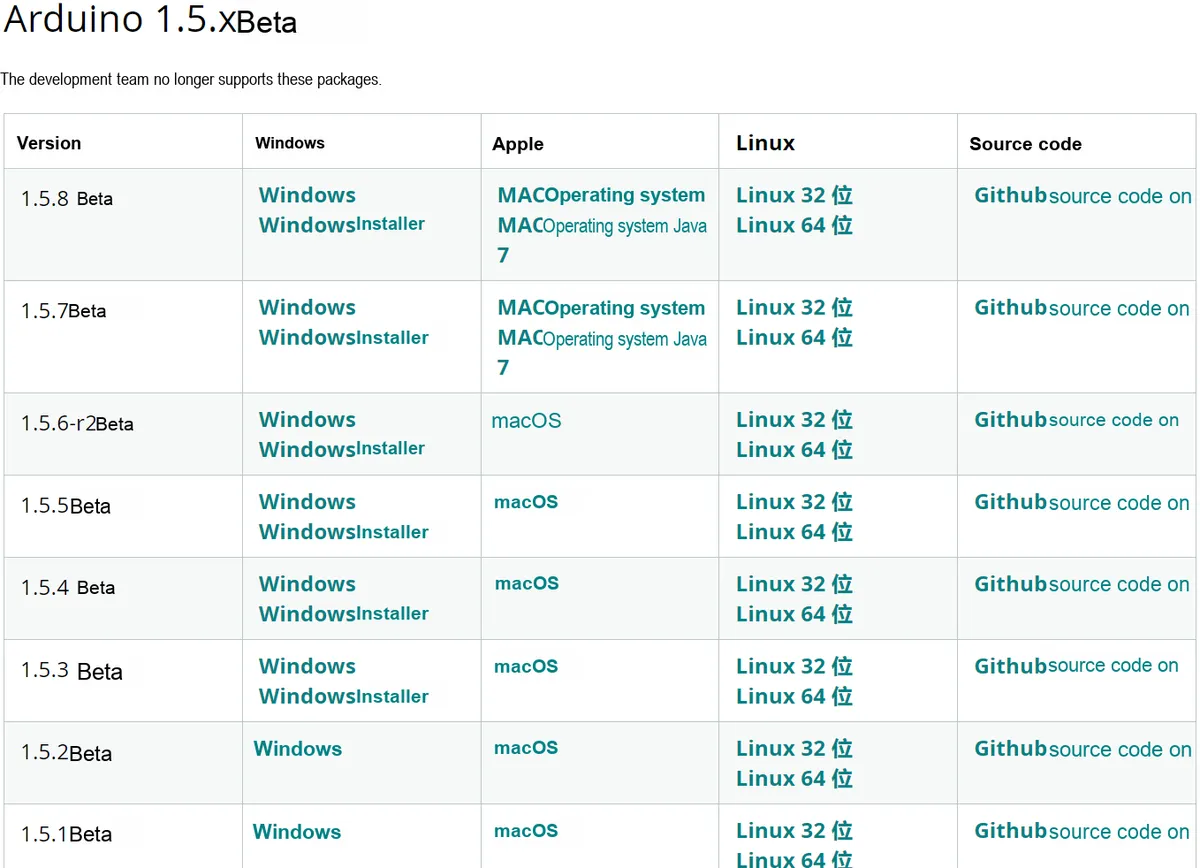
4.2.3 Arduino IDE 1.5
Demonstrate the newly added library management functions and the more feature-rich toolbar.
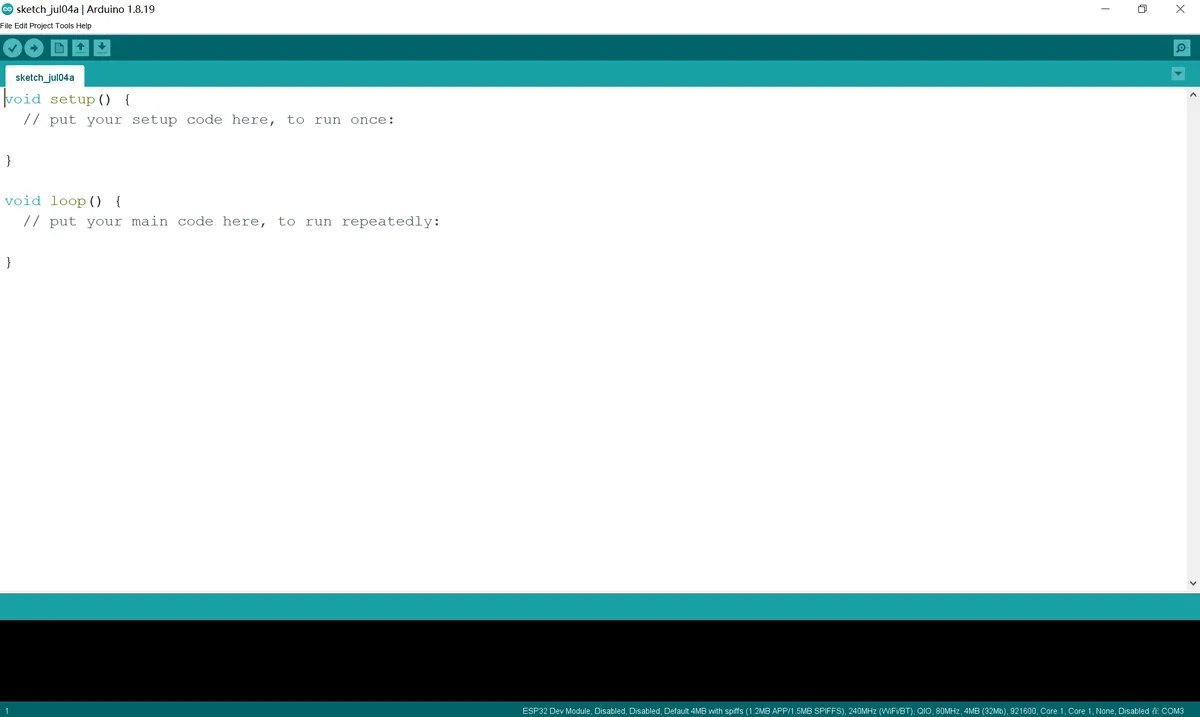
4.2.4 Arduino IDE 1.8
Present the optimized interface and functions.
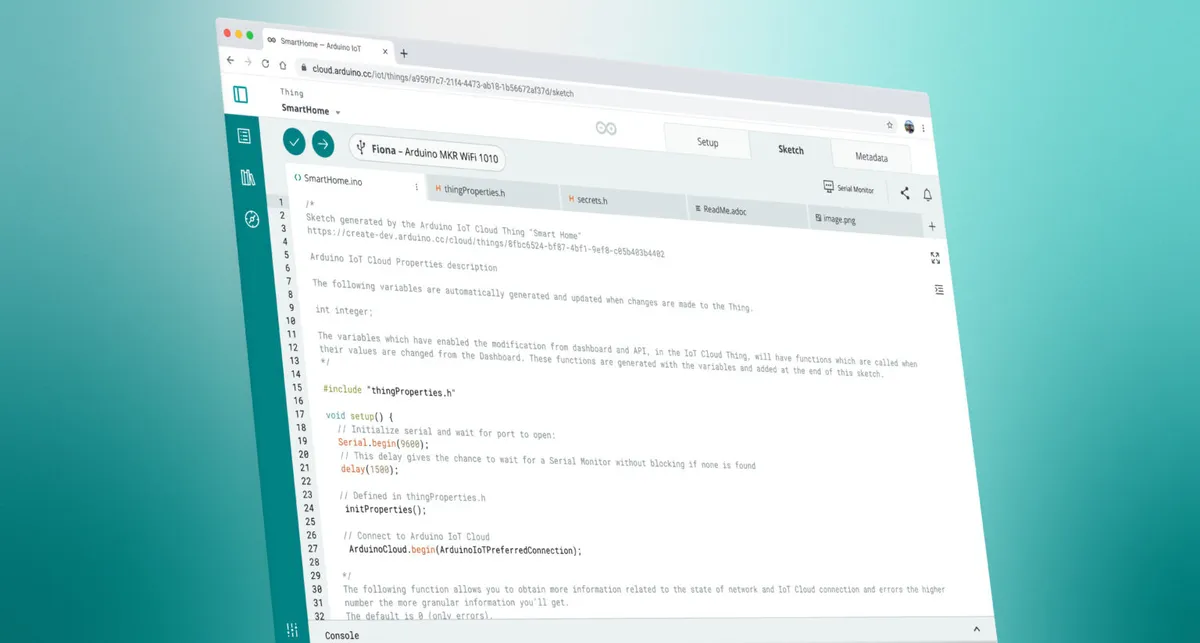
4.2.5 Arduino IDE 2.0
Showcases a brand-new interface design and modern features.
4.3 Community
Arduino boasts an active global community where members enthusiastically share project experiences, solutions and creative ideas, providing valuable support and guidance for both beginners and seasoned developers.
As a beginner, you will find the Arduino community a treasure trove of valuable resources that can help you learn, share and grow. Here are some of the main support and interaction channels you can find in the Arduino community:
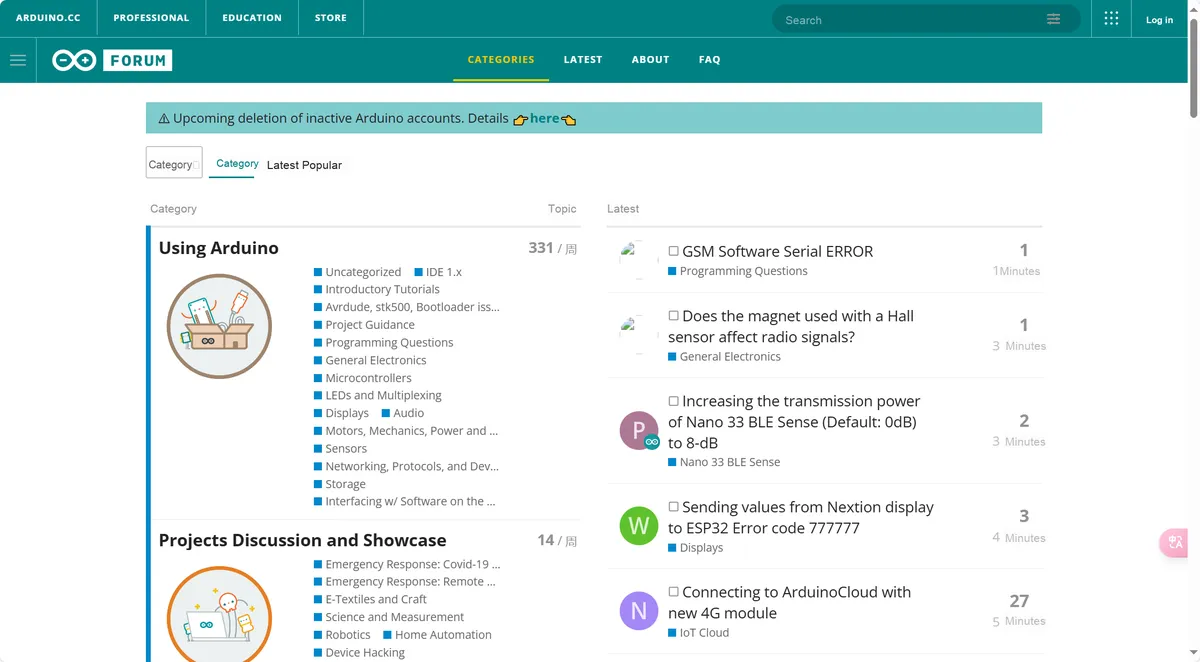
4.3.1 Forum
The Arduino Forum is a vibrant discussion platform where users can ask questions, share projects, seek advice and troubleshoot issues. Whether you are stuck with a technical problem or in need of inspiration, the enthusiastic users and experts on the forum will always be there to help you out.
4.3.2 Discord
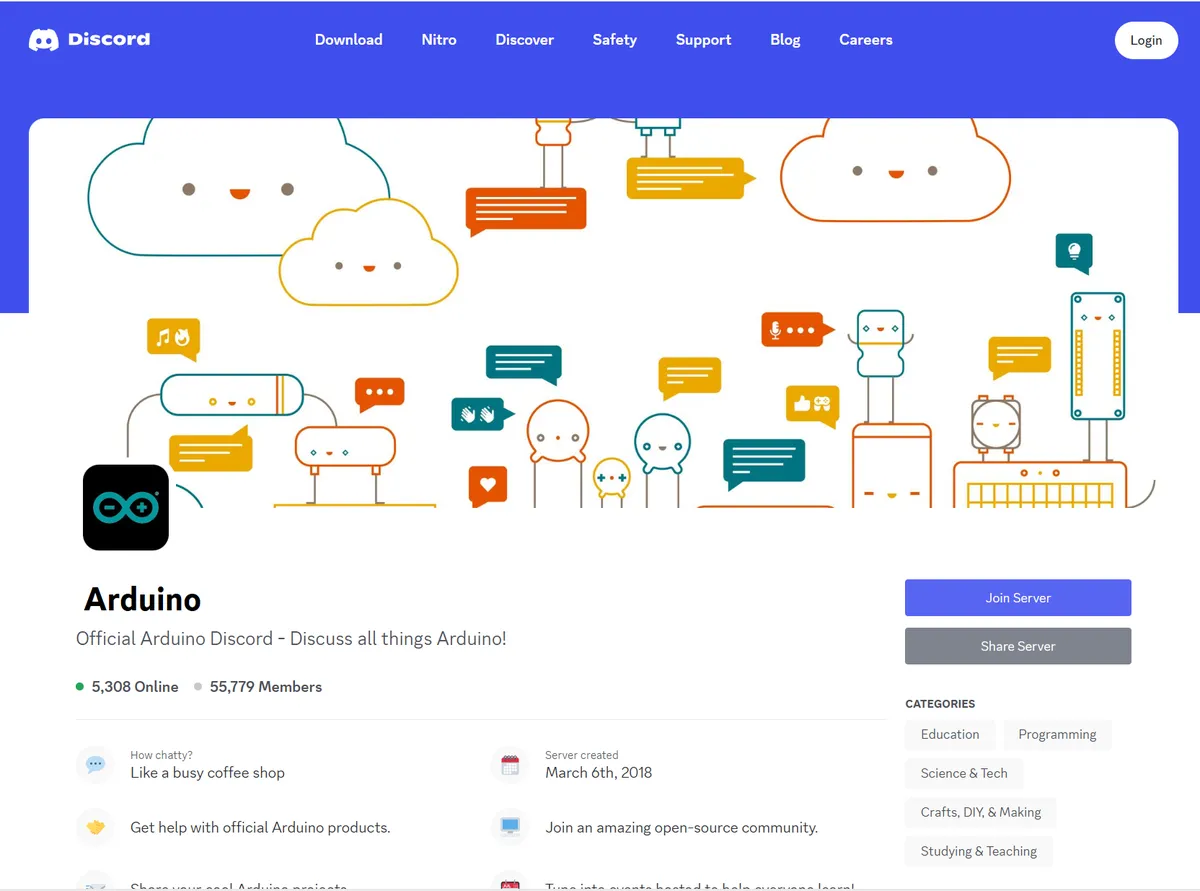
The official Discord server of Arduino is a real-time chat platform, where you can interact with Arduino users from around the world, join in discussions and get immediate support. Whether via text chat or voice communication, Discord is a great place to quickly solve problems and connect with other enthusiasts.
4.3.3 Project Hub
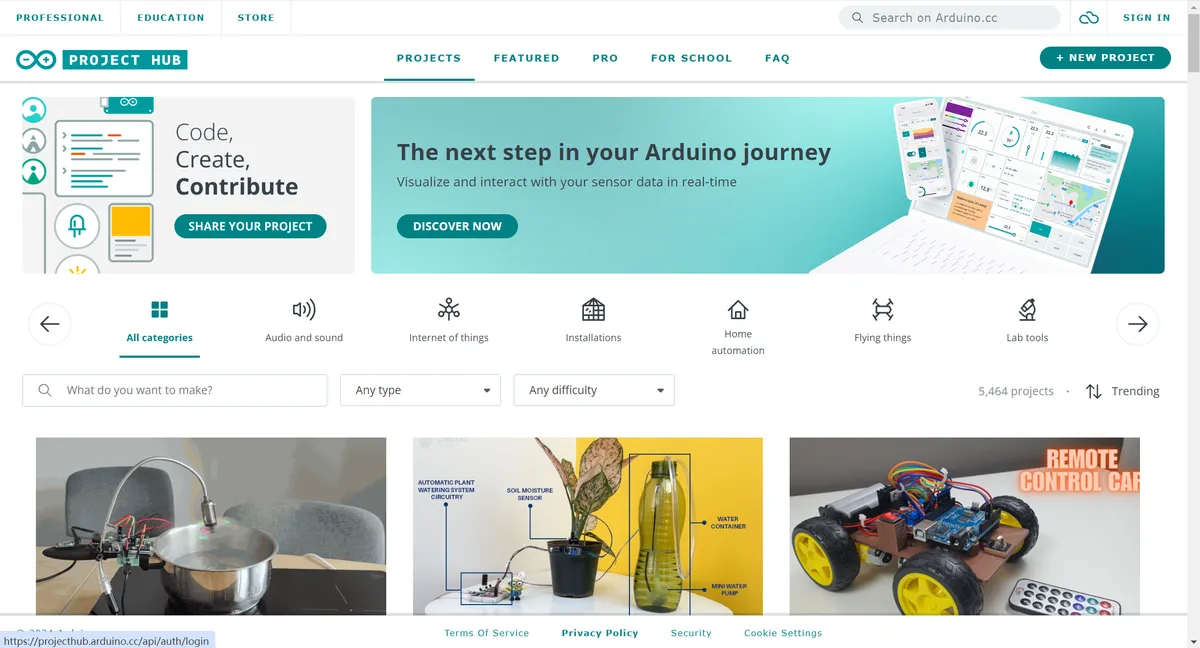
The Arduino Project Hub is a platform for showcasing and sharing projects. Here, you can browse creative projects from other users to get inspiration, and share your own projects. Covering a full range of projects from simple to complex, it is an ideal place to learn and explore Arduino applications.
4.3.4 Arduino Day
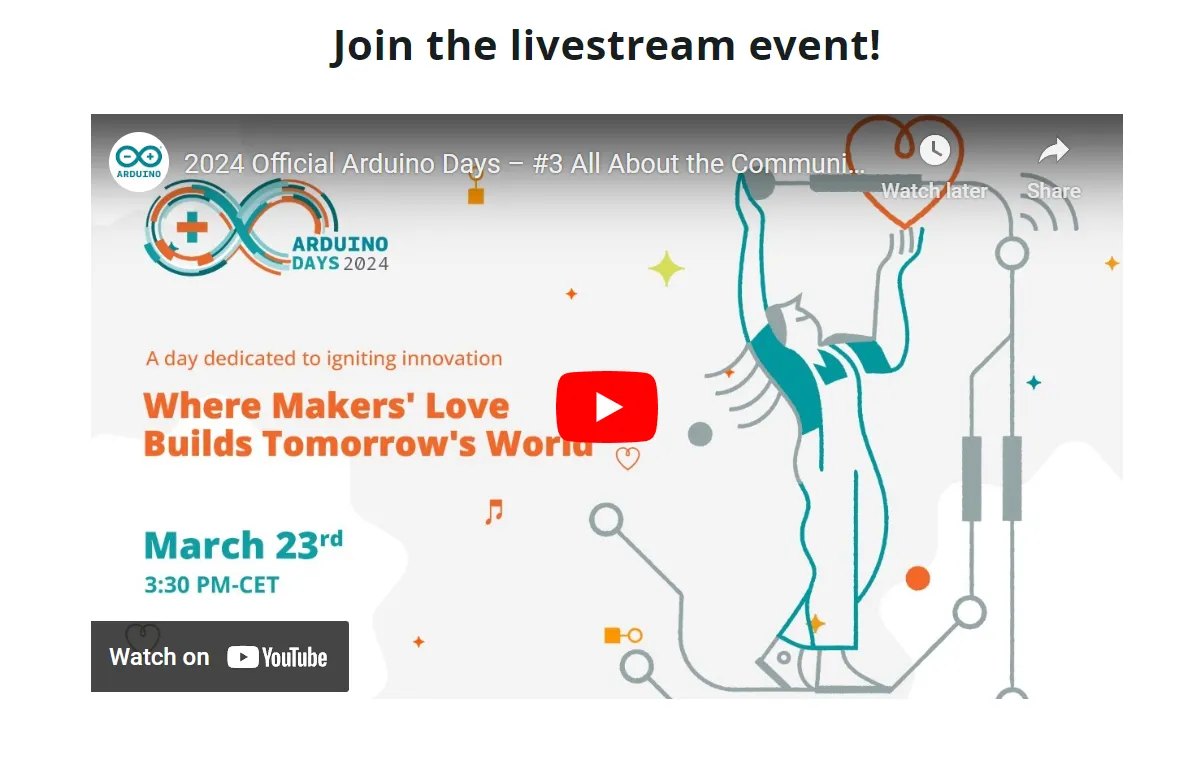
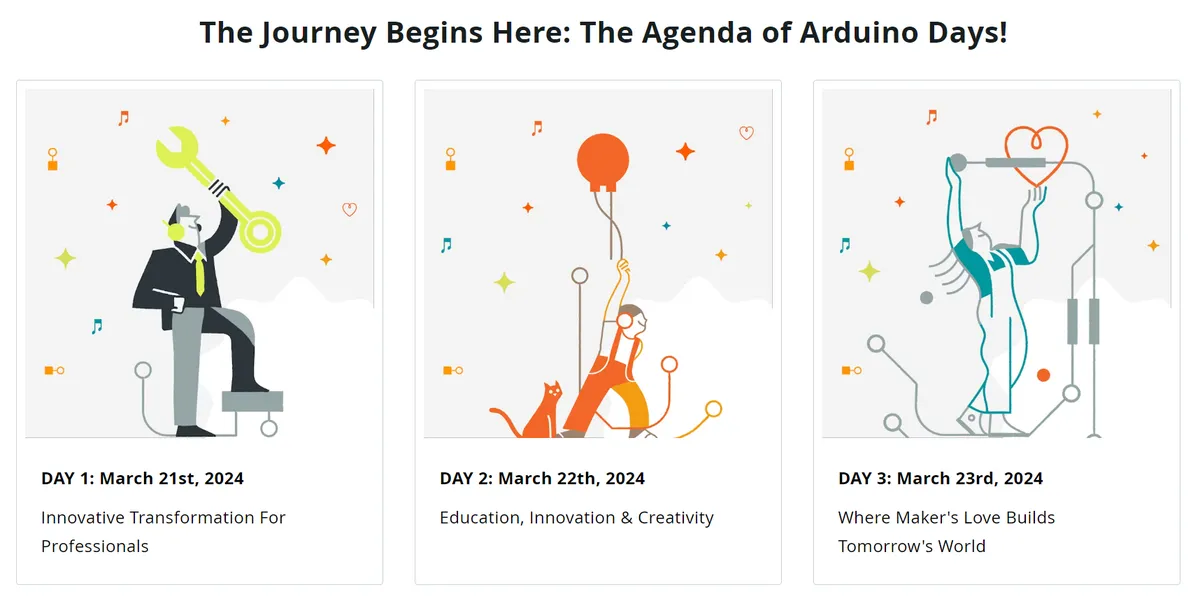
Arduino Day is a global celebration dedicated to promoting Arduino and its community. On this day, Arduino enthusiasts around the world host a variety of events, workshops and showcases to share their experiences and creativity. Participating in Arduino Day activities allows you to feel the passion and power of the global maker community.
4.3.5 User Groups
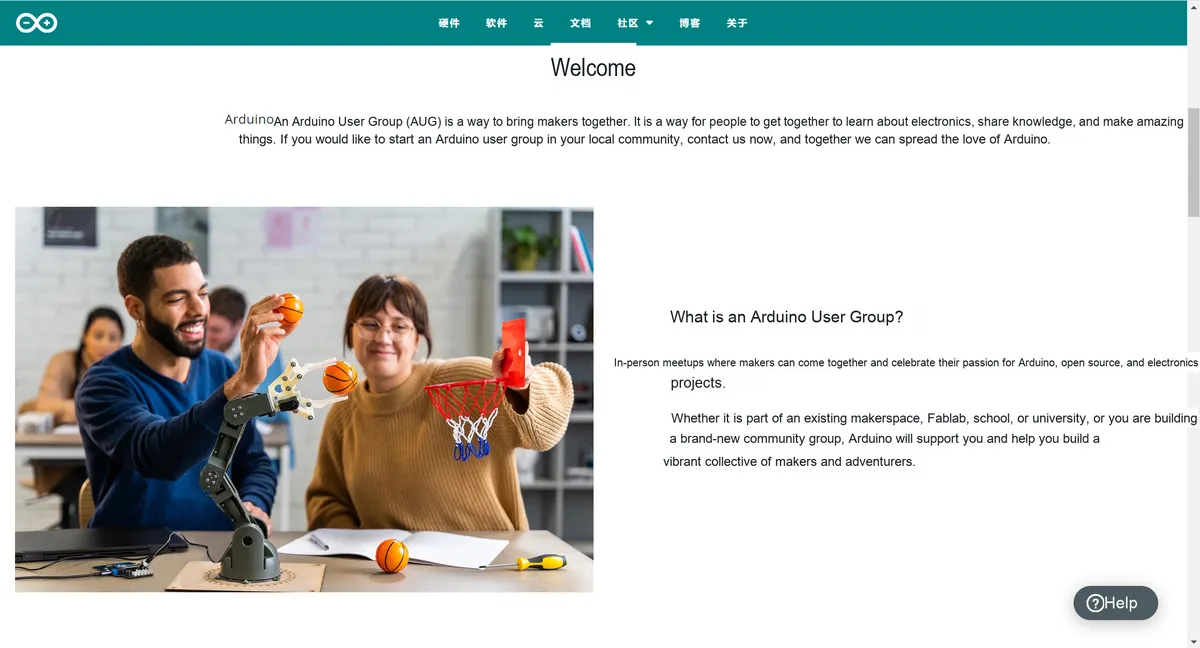
Arduino User Groups are communities formed by Arduino enthusiasts who share the same interests. You can find and join local or global user groups to engage in face-to-face communication and collaboration. These user groups regularly organize meetups, workshops, and project collaborations, adding more fun to your Arduino learning journey.
4.4 Rich Library Functions
It can be said that from the very beginning of its design, Arduino has been adhering to the concepts of versatility and ease of use. It was originally designed to enable developers to quickly realize their ideas at a lower cost, lower the technical threshold, and allow more people to participate in the development of electronic projects.
Arduino provides hardware abstraction and a number of pre-written code libraries, referred to as core libraries and additional libraries. These libraries can help you quickly implement various functions without having to write complex code from scratch.
- Core Library: This is part of the core functionality officially provided by Arduino, which is used to support common devices and sensors.
- External Library: A library provided by third-party developers or the community to extend the functionality of Arduino. These libraries are like adding new "tools" to Arduino, enabling it to perform more tasks.
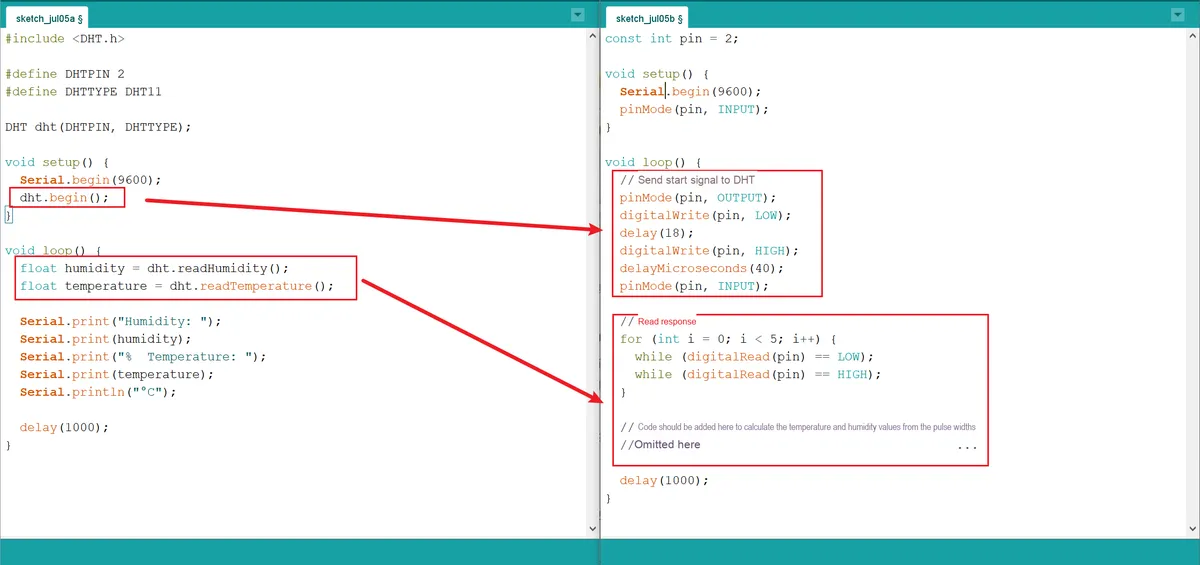
Taking the temperature and humidity sensor driver library as an example, when not using the library function, you need to manually control the pin level of Arduino to follow the Communication Protocol of DHT11, and then parse the temperature and humidity data according to the pulse width returned by the sensor.
When using the pre-packaged library functions, you only need to call the two functions readHumidity () and readTemperature () to obtain temperature and humidity data, which skips the complicated intermediate processes. All communication details and data parsing work have been handled inside the functions, so we only need to call them directly.
5. Emergence of the ESP32: A Powerful yet Affordable Alternative to Arduino
With the rapid development of the Internet of Things (IoT) technology, the demand for the performance of microcontrollers is also increasing day by day. Although Arduino is very popular for its ease of use and wide range of applications, its hardware has limited performance and cannot meet the needs of some more complex applications. Against this backdrop, in 2016, Espressif Systems launched ESP32, a powerful microcontroller integrated with multiple functions, which quickly became a new favorite among makers.
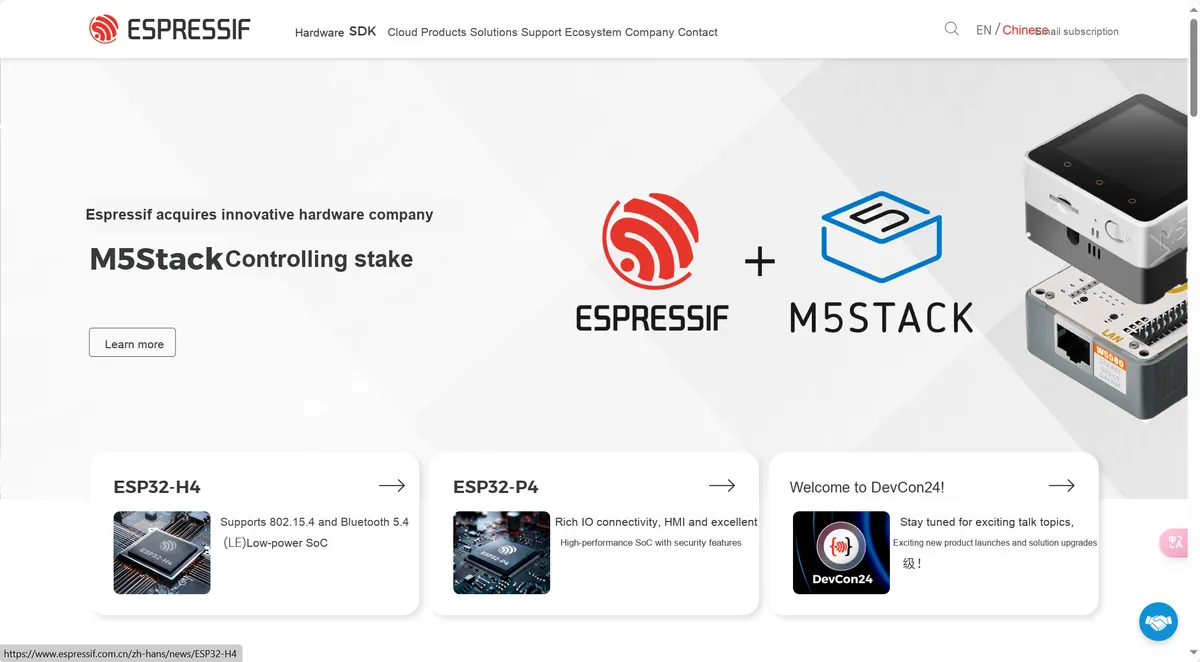
This powerful chip integrates Wi-Fi and Bluetooth functions to meet the growing demands for wireless communication. It not only delivers improved performance but also supports low-power modes, making it the preferred solution for a wide range of IoT devices and embedded systems. The advent of the ESP32 has not only advanced IoT technologies but also opened up more innovative possibilities for developers.
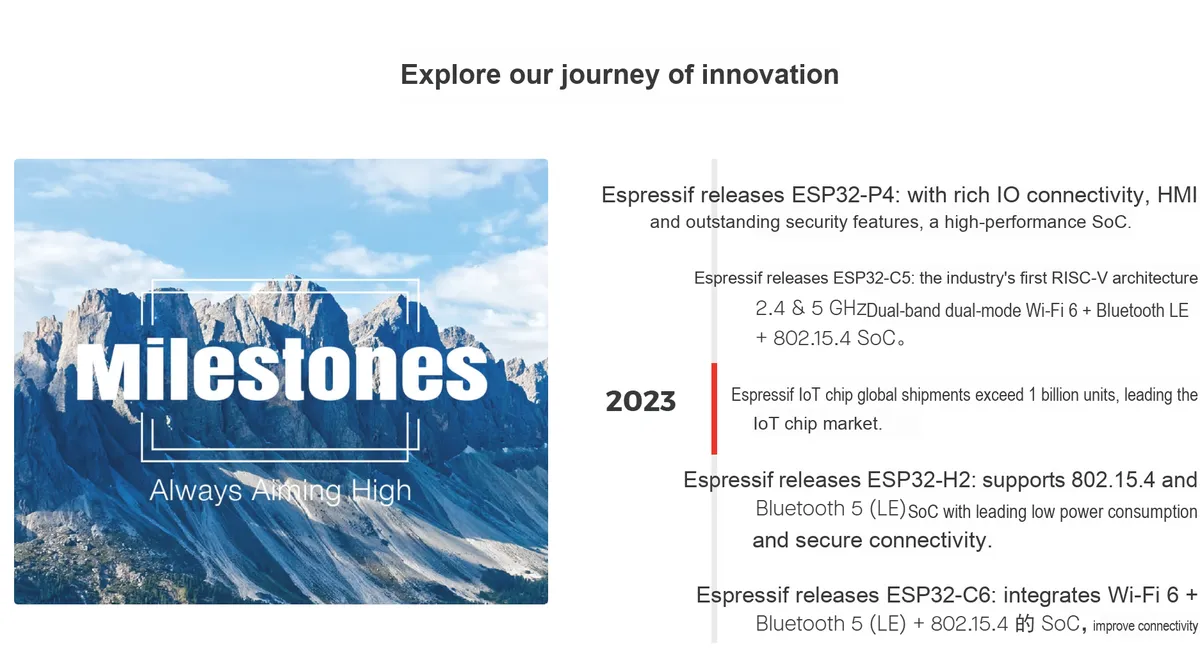
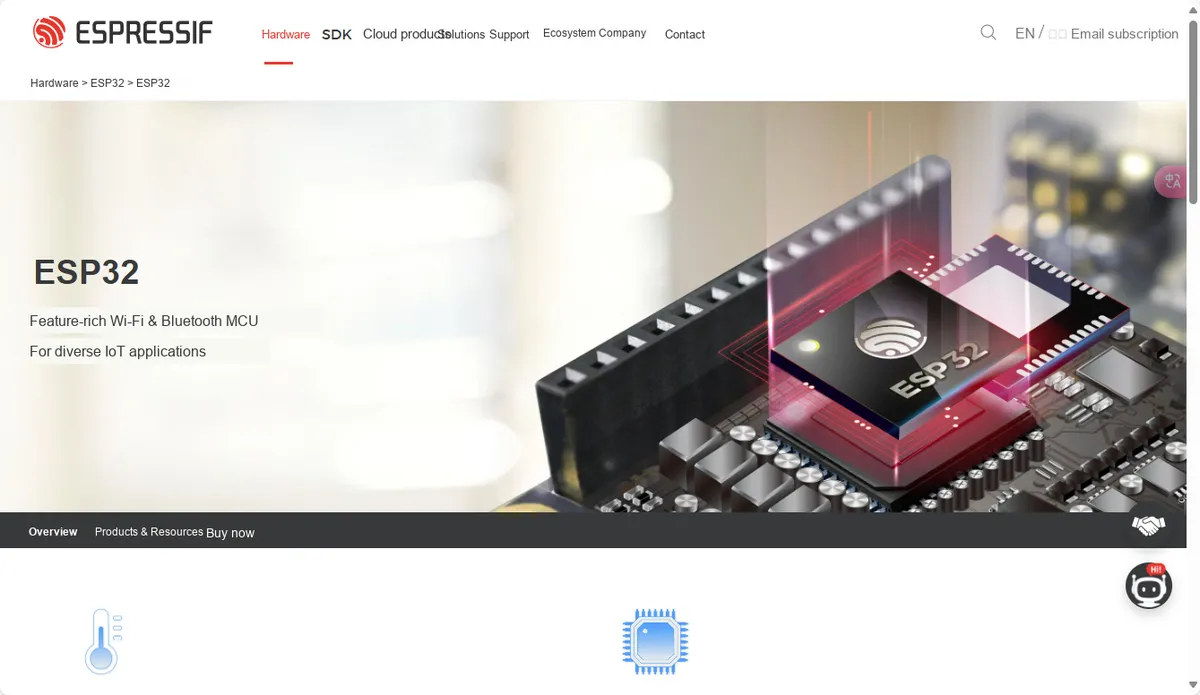
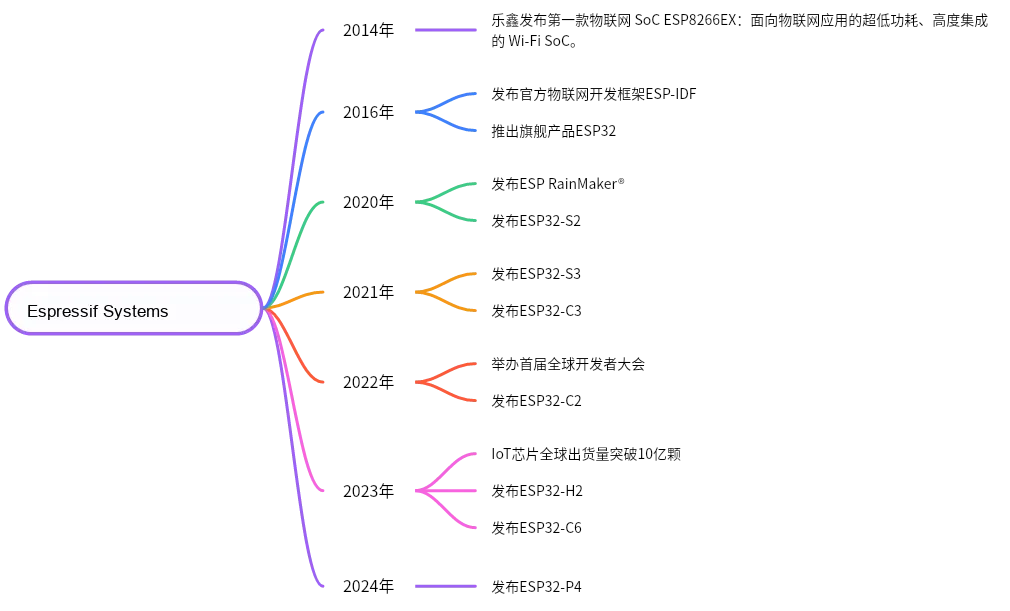
Since its launch in 2016, the ESP32 series chips from Espressif Systems have become a key technological driving force in the fields of the Internet of Things (IoT) and embedded systems. From the original revolutionary Wi-Fi + Bluetooth SoC to the diverse product lines that are continuously iterated and upgraded today, the ESP32 series chips have always been committed to providing developers with high-performance, low-power solutions to support a wide range of innovations and applications.
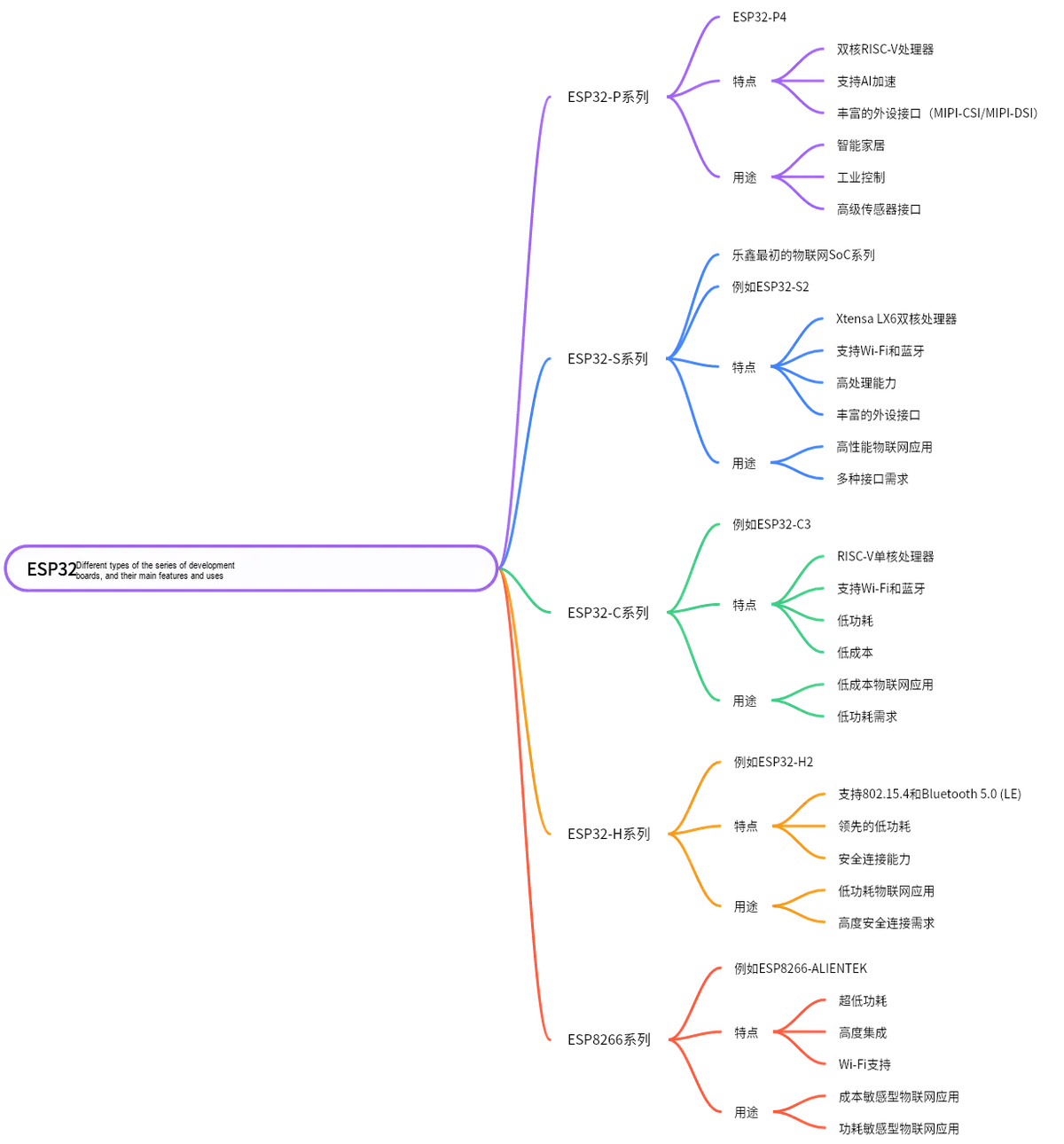
Up to now, the following types of models have been developed: ESP32-P series, ESP32-S series, ESP32-C series, ESP32-H series, and ESP8266 series
6. Wokwi Online Simulation Website: Learn Electronics for Free!!!
Although Arduino and ESP32 have lowered the threshold for electronic development, real hardware support is still required.
Traditional hardware learning requires purchasing a development board, but Wokwi provides free online simulation, which greatly lowers the barrier to entry for learning.
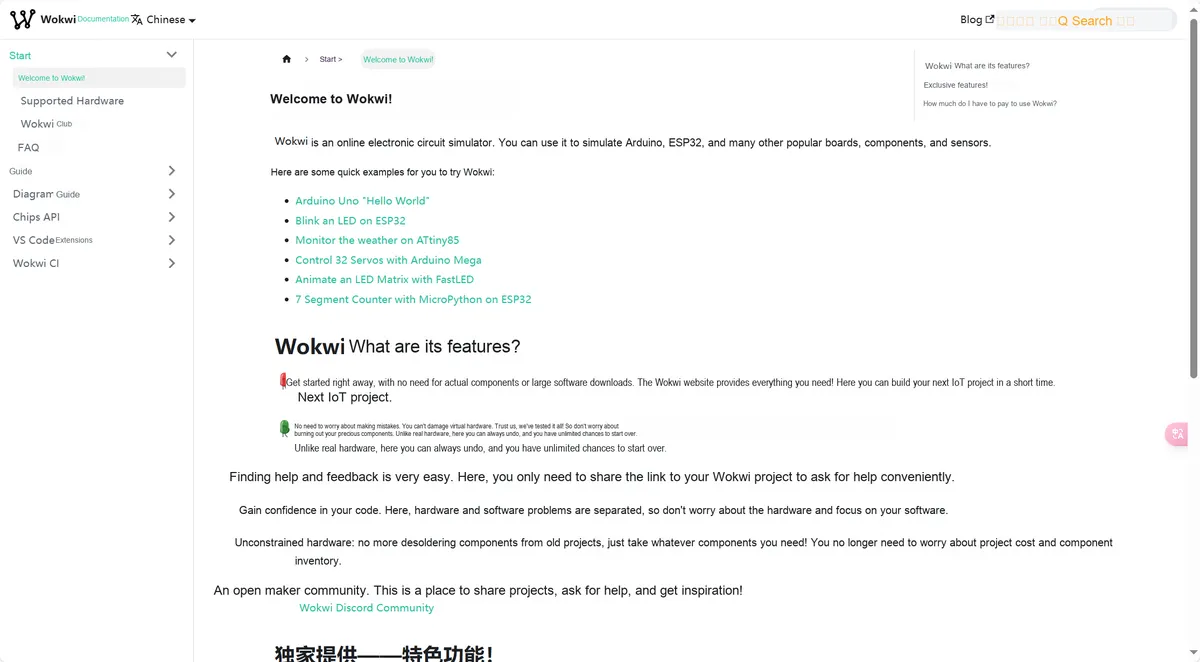
Wokwi allows you to learn and experiment with various functions of development boards such as Arduino and ESP32 without any hardware. Best of all, its free features are more than enough for your daily practice!
Compared with traditional e-learning methods, Wokwi saves you the troubles of buying development boards, waiting for delivery, failing to wire connections, and burning out hardware. As long as you have the urge to get hands-on, Wokwi lets you start practicing right away!
6.1 What is Wokwi?
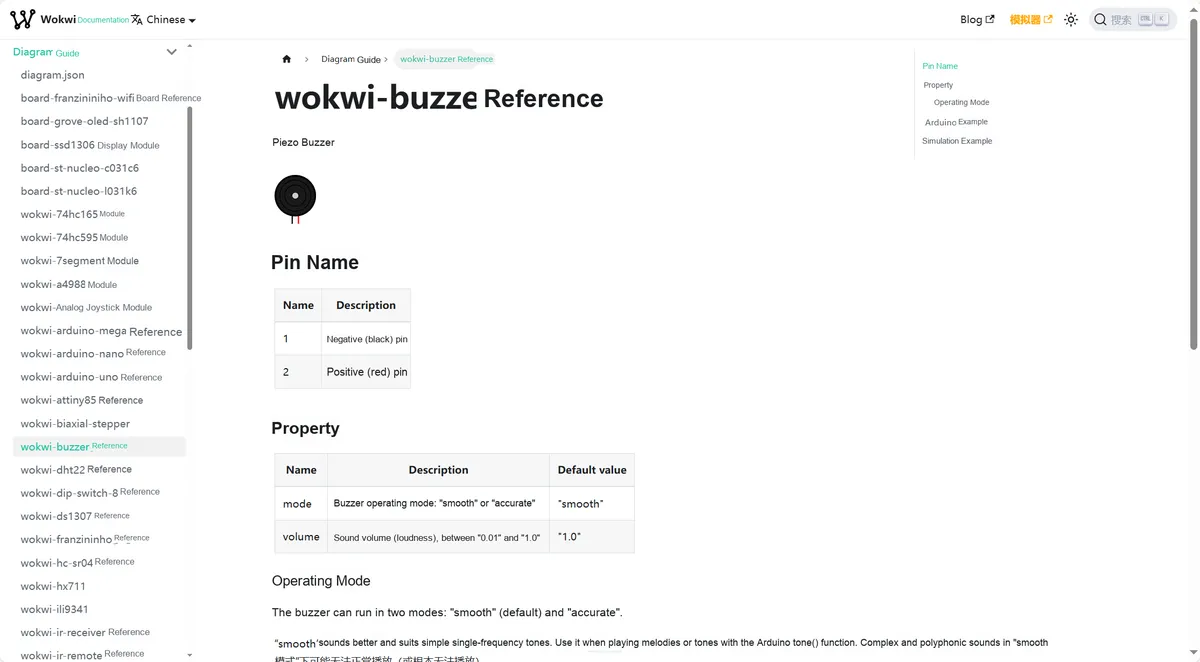
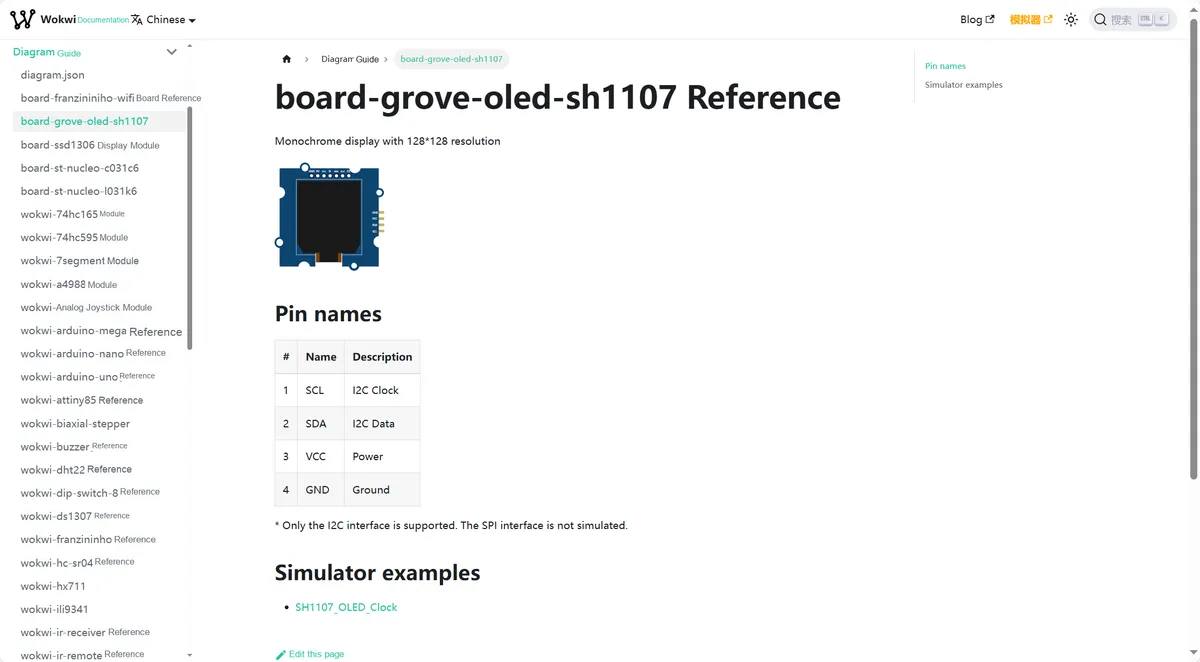
Wokwi is a browser-based simulation platform that allows users to write, debug and run ESP32 code. It supports a variety of virtual hardware, such as LEDs, buttons, sensors and more, enabling users to simulate real hardware projects. Wokwi features a user-friendly interface that makes it easy even for beginners to get started.
6.2 Why Choose Wokwi?
1. No software installation required: Only a web browser is needed, with no need to download or install any software.
2. Support for multiple microcontrollers: Arduino series, ESP32 series, STM32 series, Raspberry Pi Pico
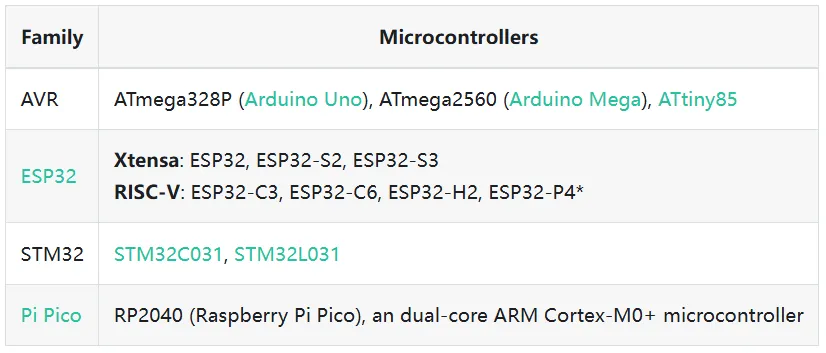
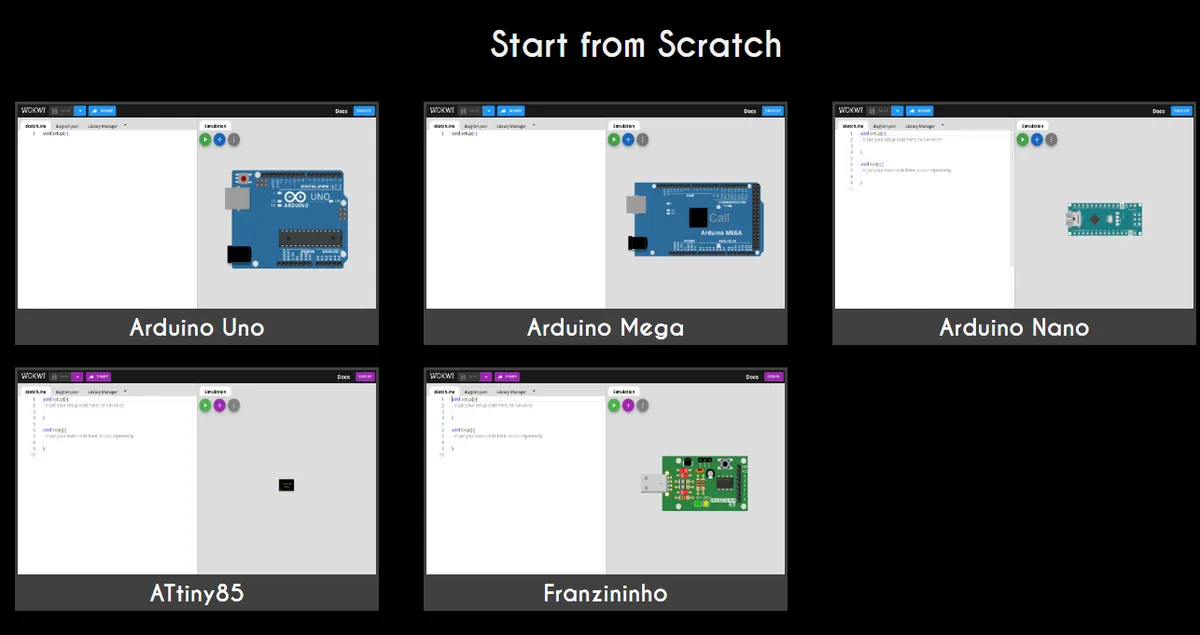
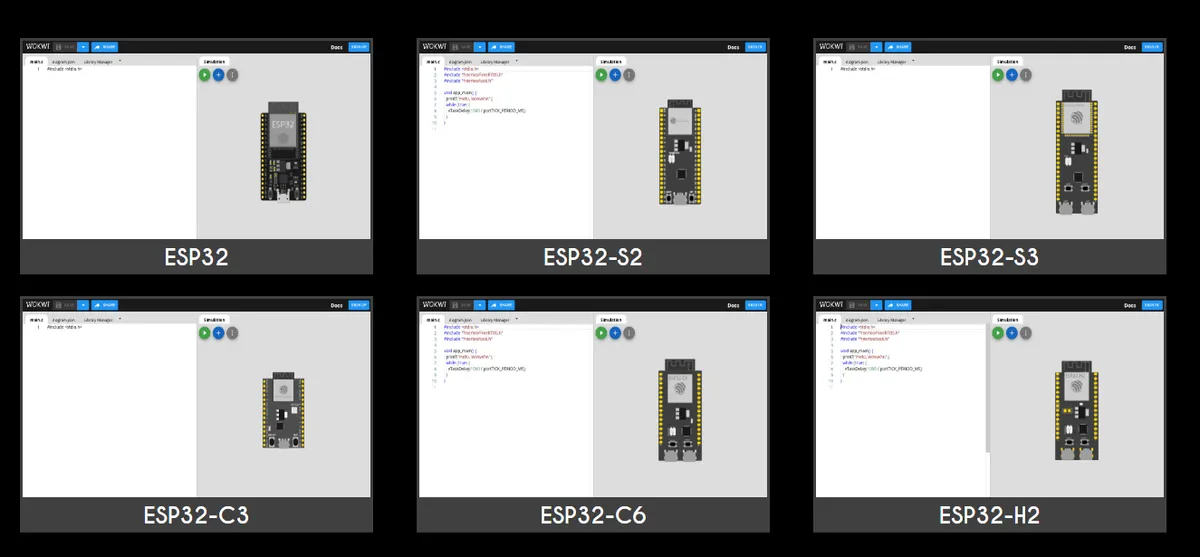
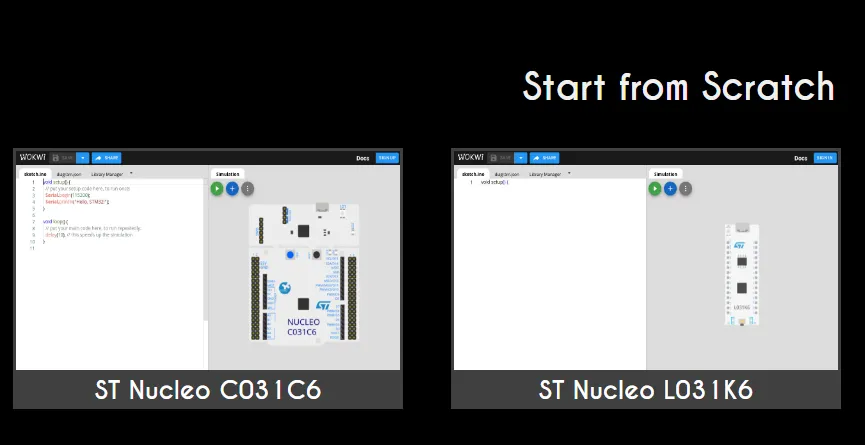
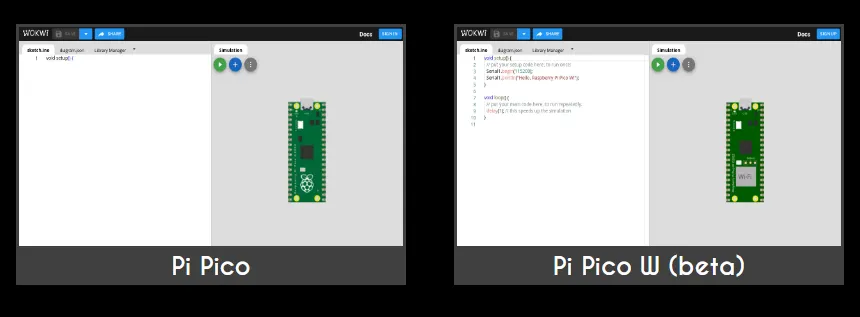
3. Rich simulation functions: support multiple types of virtual hardware
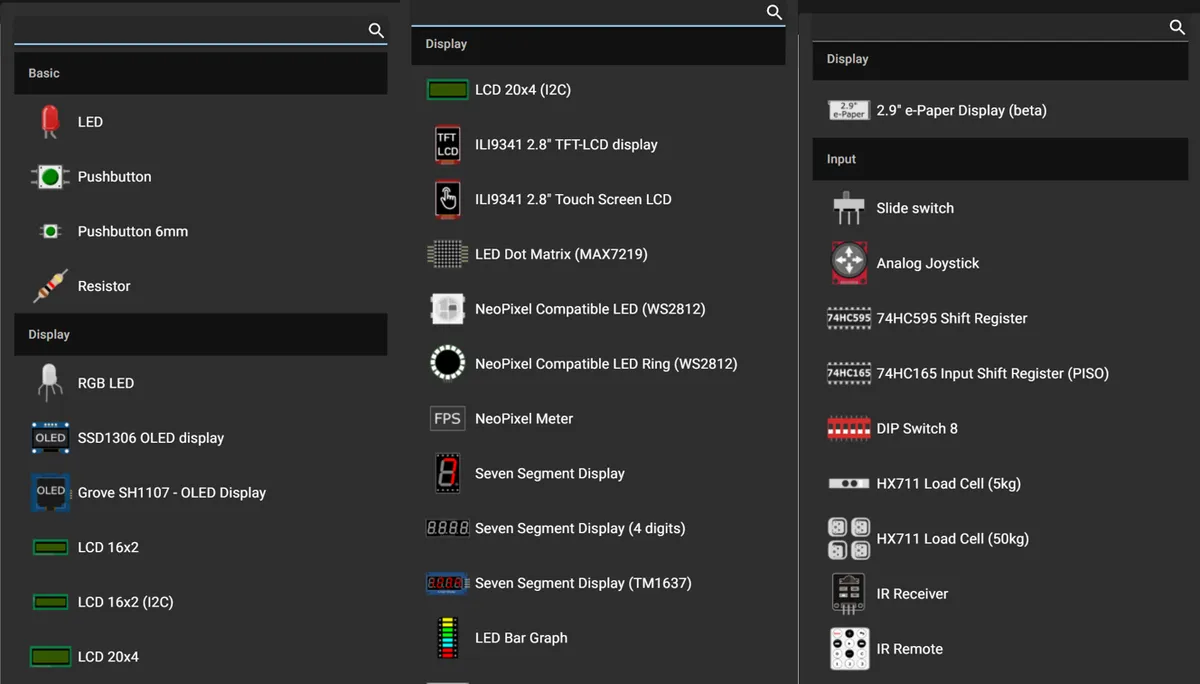
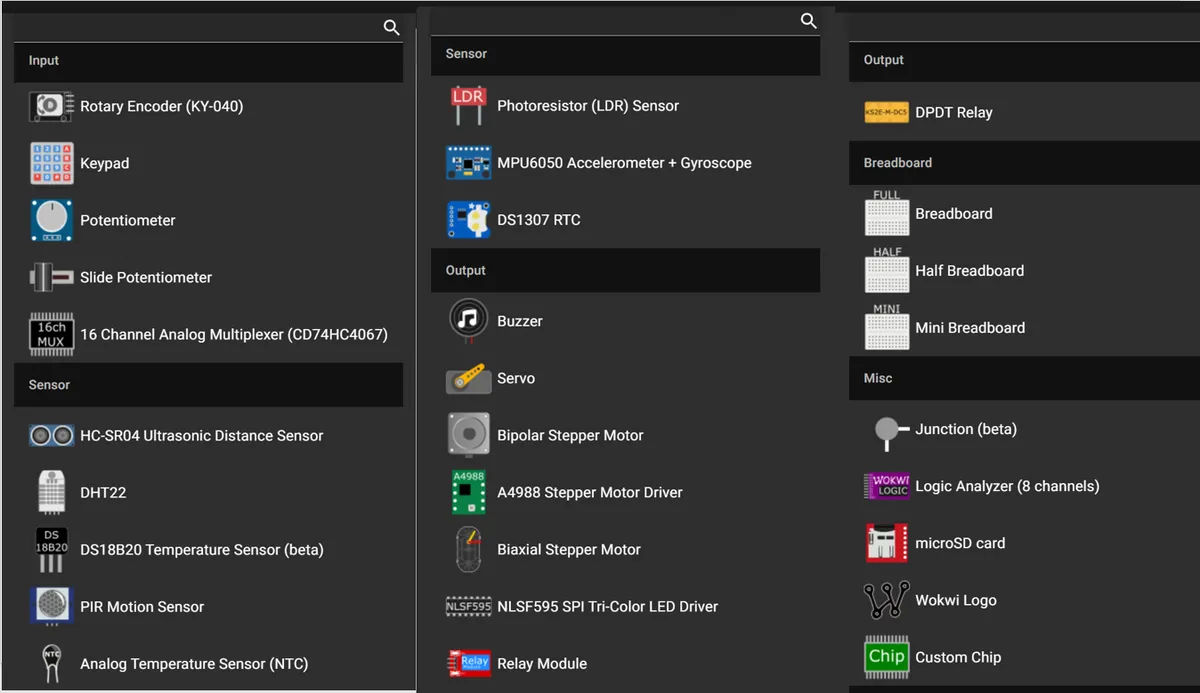
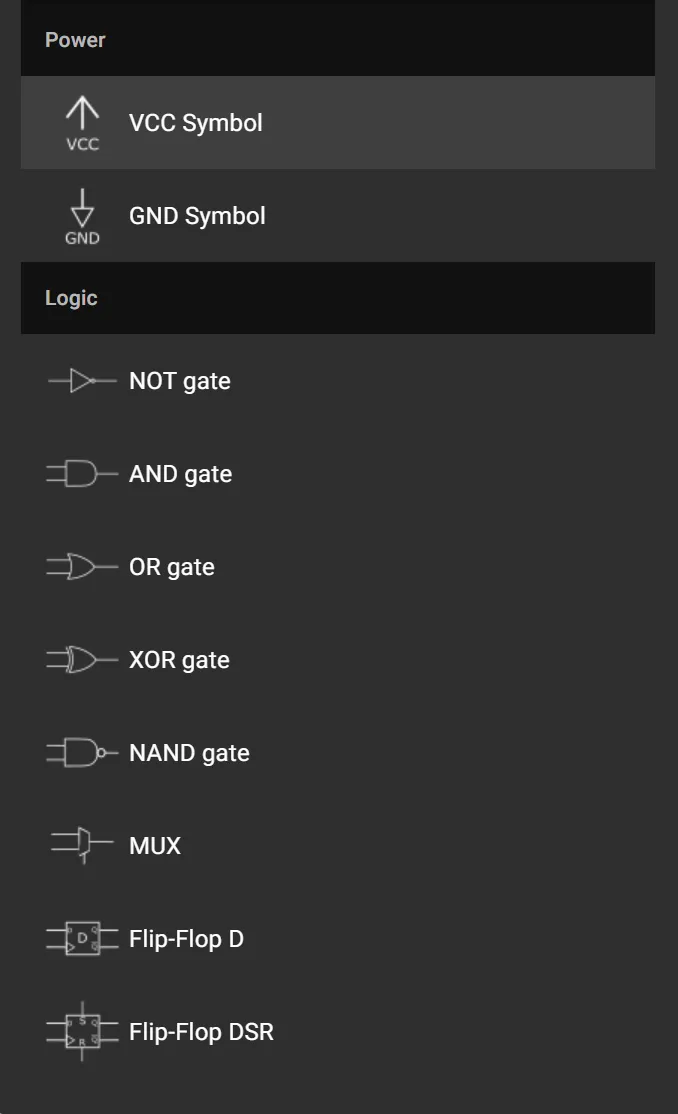
4. Projects can be saved to the cloud: Users can access and manage their projects anytime, anywhere, and share them with others via links to facilitate collaboration. Simply click to copy the share link and send it, and the simulated files can be downloaded at any time.
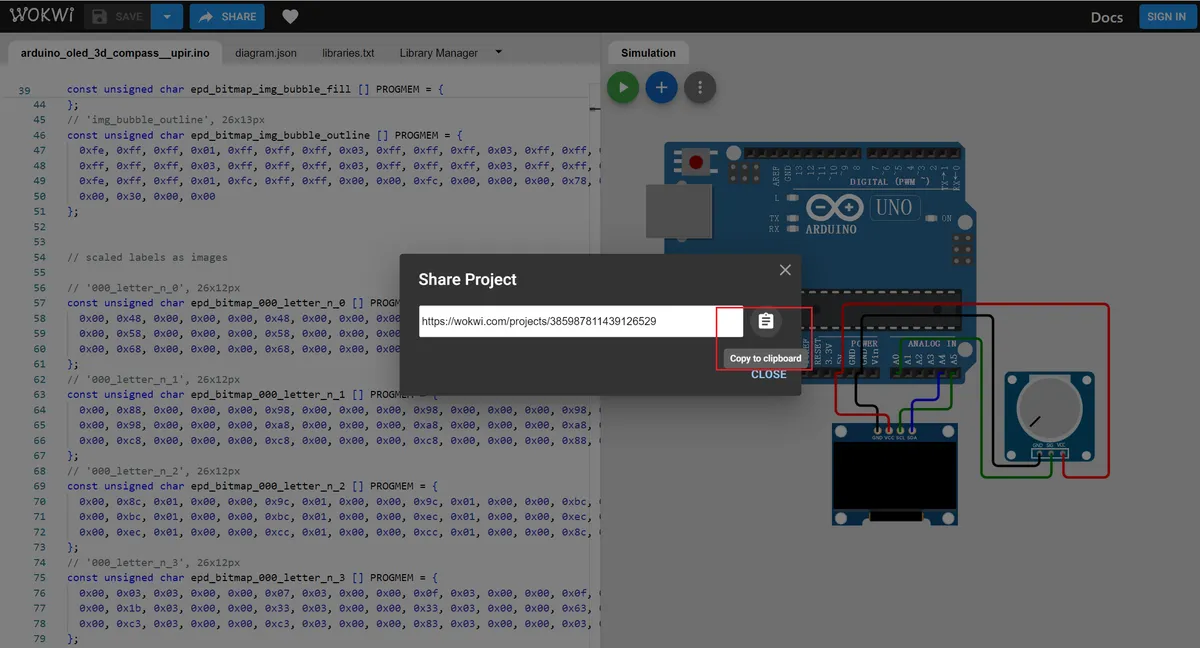
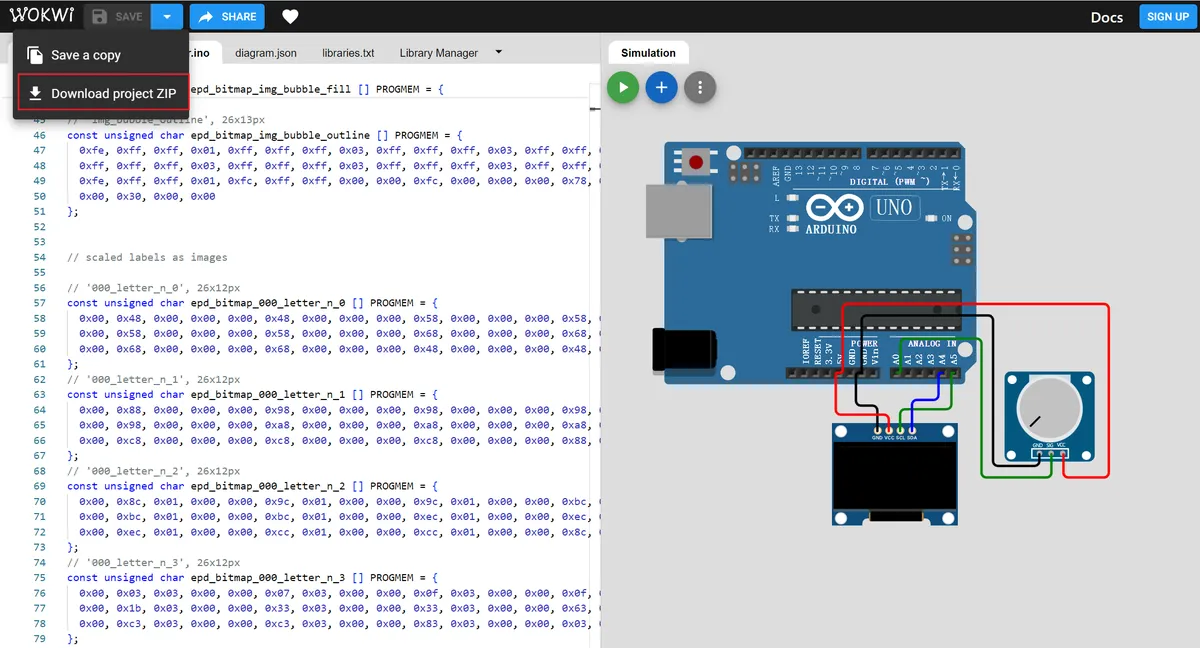
5. Professional Features (Wokwi Pro): Through in-depth integration with mainstream development tools, Wokwi Pro provides users with more powerful editing, debugging and automated testing functions, further improving development efficiency and experience.
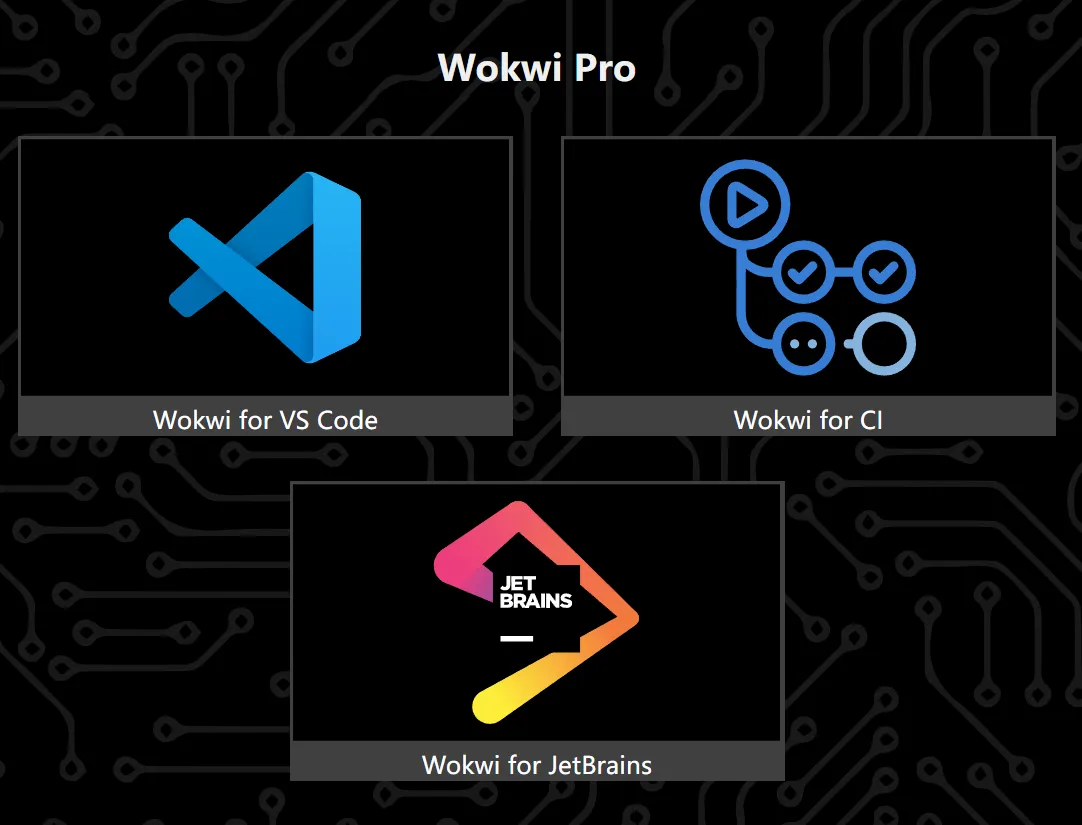
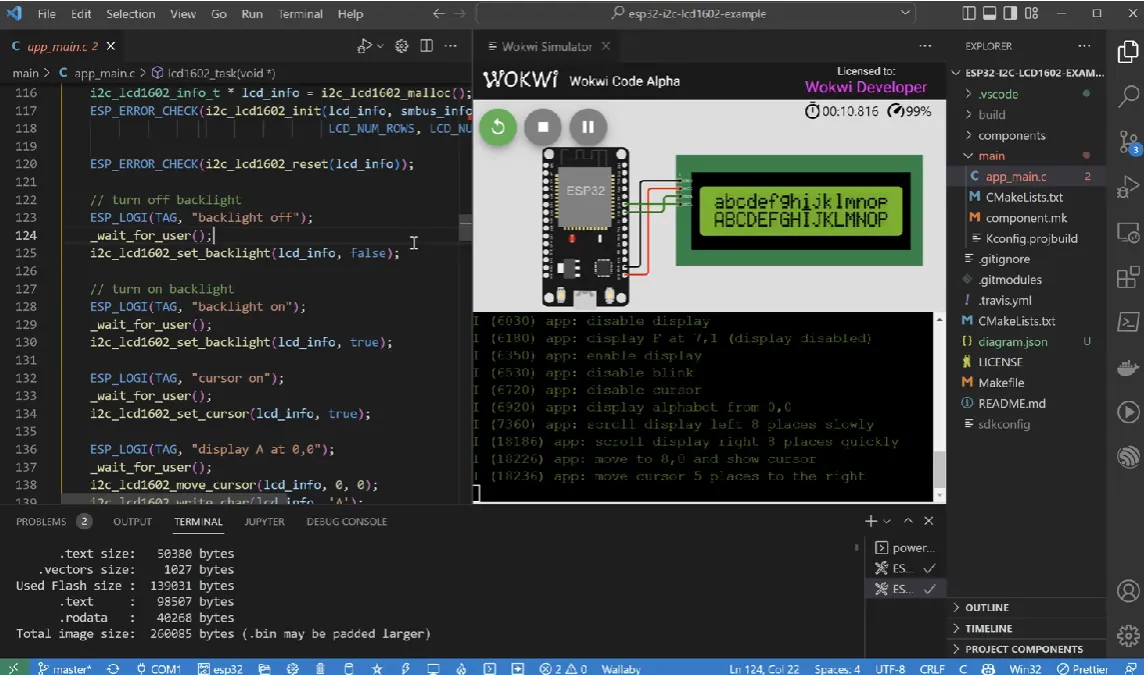
6. Wokwi for VS Code: Wokwi is integrated into Visual Studio Code (VS Code) to provide more powerful editing and debugging capabilities, allowing users to write, debug and run simulation codes directly within VS Code.
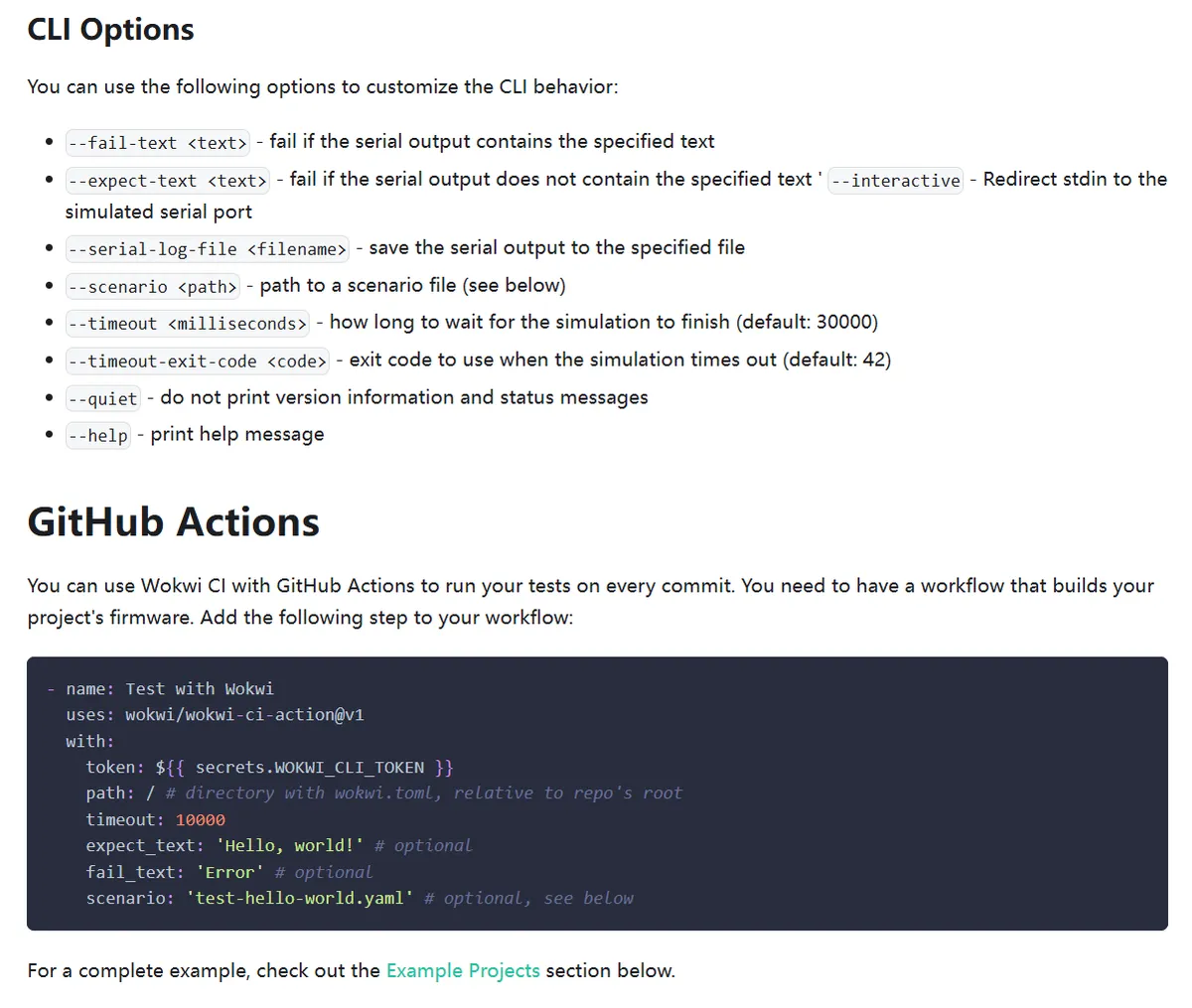
7. Wokwi for CI: Wokwi for CI supports continuous integration (CI) workflows, helping developers automate the testing and deployment of simulated projects. It is suitable for hardware simulation testing in DevOps processes.
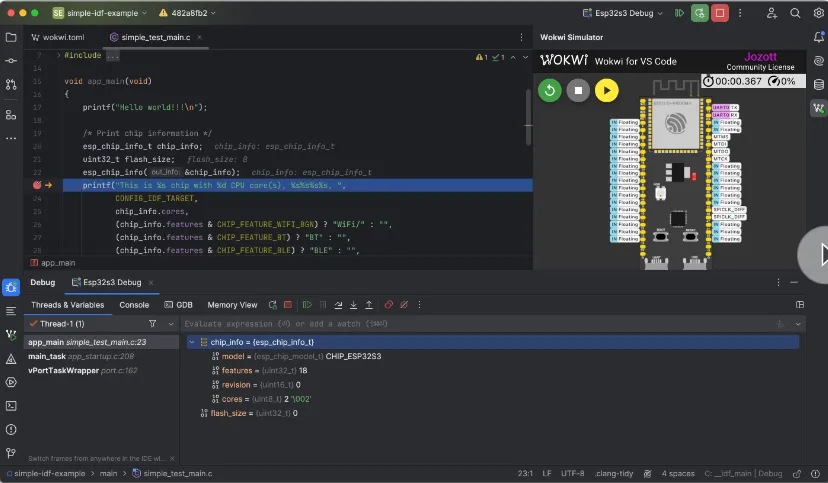
8. Wokwi for JetBrains — Wokwi is integrated into the JetBrains family of IDEs (such as IntelliJ IDEA, PyCharm, CLion, etc.) to deliver a seamless development and simulation experience.
6.3 Obtaining Help and Resources

1. Documentation and tutorials: Wokwi provides detailed documentation and tutorials to help users get started quickly.
2. Community Support: Join the Wokwi community to communicate with other developers, get help and share projects.
3. Real-time Debugging: Allows you to view the running effect of the code in real time, and perform debugging and modification.